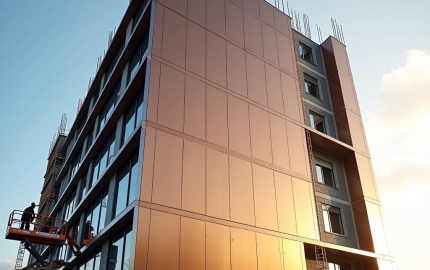
Prefabricated Aluminum Panel Systems Engineering and Installation for Commercial Facades
Prefabricated Aluminum Panel systems deliver factory-level dimensional accuracy and faster installation for commercial facades. Explore material specs, wind load engineering, coating standards, and procurement strategy for rainscreen and cassette cladding projects.

Modular Aluminum Facade Engineering Solid Panels for Wind Load and Fast Track Construction
Modular Aluminum Facade systems built with solid aluminum panels deliver structural integrity and faster installation. Engineering analysis of wind loads, thermal bridging, and factory prefabrication benefits for mid-rise and high-rise commercial projects.
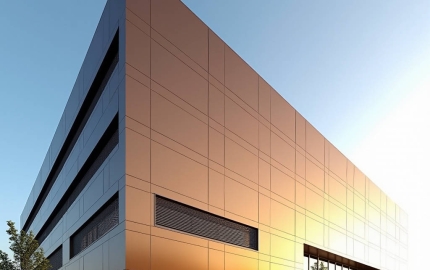
Exterior Aluminum Cladding Engineering Wind Loads Coatings and Rainscreen Design for Solid Facade Panels
Exterior aluminum cladding demands precise engineering for wind loads, thermal movement, and coating durability. This article covers alloy selection, PVDF vs. powder vs. anodized finishes, rainscreen design, and attachment methods for solid aluminum panels.
Interior Aluminum Cladding Specification Guide for High Traffic Commercial and Institutional Spaces
Interior Aluminum Cladding specification guide covering alloy selection, fire compliance, coating systems, and lifecycle cost analysis for commercial and institutional projects.
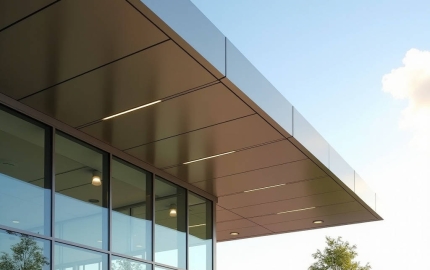
Aluminum Ceiling Facade Engineering for Exterior Soffits and Canopies
Aluminum Ceiling Facade systems engineered with solid aluminum panels for exterior soffits and canopies. Covers wind load design, drainage geometry, PVDF coating specs, and procurement strategy for commercial projects.
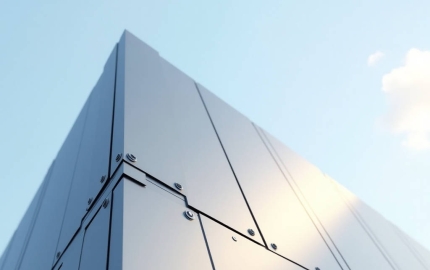
Tower Aluminum Facade Wind Load Engineering Panel Gauge Stiffener and ASTM Standards
Tower Aluminum Facade wind load engineering: how solid aluminum panel gauge, stiffener design, and ASTM E330/AAMA 501.4 testing prevent deflection and coating failure on high-rise towers.
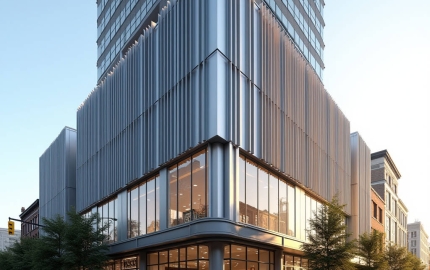
Podium Aluminum Facade Engineering for Mixed Use Building Envelope Performance
Podium aluminum facade systems face distinct structural, thermal, and impact challenges at the building base. Explore panel thickness selection, coating durability, and interface detailing for mixed-use projects.
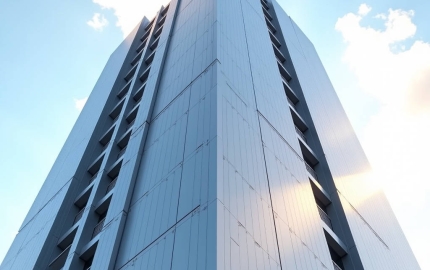
Skyscraper Aluminum Cladding Engineering Wind Loads Thermal Movement and Fire Compliance for Towers Above 18 Stories
Skyscraper Aluminum Cladding engineering demands precise wind load, thermal movement, fire compliance, and coating specifications. This article covers solid aluminum panel selection for towers above 18 stories.

High Rise Aluminum Facade Fastening Systems Engineering Wind Loads and Thermal Movement
High Rise Aluminum Facade fastening systems demand precise engineering to handle wind loads, thermal movement, and seismic drift. Explore clip types, subframe design, and corrosion protection for solid aluminum panels on tall buildings.
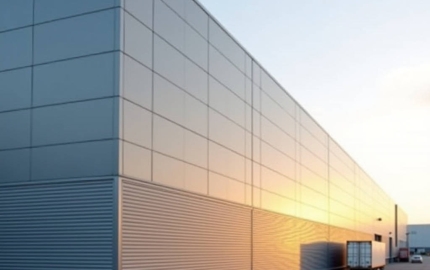
Industrial Aluminum Cladding Alloy Selection Coating Chemistry and Attachment Engineering for Heavy Duty Facades
Industrial aluminum cladding demands precise alloy selection, coating chemistry, and attachment engineering for warehouses, chemical plants, and food processing facilities. This article examines 3003 vs 5052 alloys, PVDF coating performance, thermal movement accommodation, wind load calculations, and lifecycle cost analysis for solid aluminum panel systems in aggressive industrial environments.
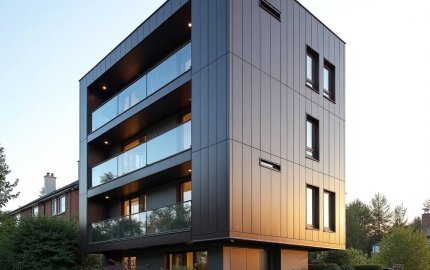
Residential Aluminum Facade Engineering From Wind Load to Rainscreen Cavity Design
Residential Aluminum Facade systems demand precise engineering for fire safety, thermal movement, and coating durability. This article covers solid aluminium panel specification from wind load to rainscreen cavity design.
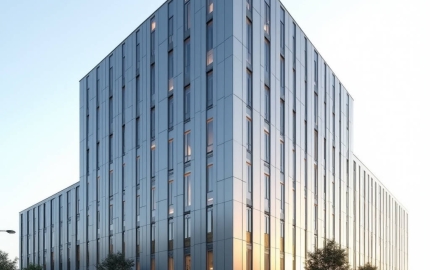
Commercial Aluminum Facade Engineering Wind Load Deflection and Coating Performance for Solid Panel Systems
Commercial Aluminum Facade systems built from solid aluminium panels: engineering analysis covering wind load deflection, oil canning control, PVDF coating specs, fire compliance, and procurement lead times for contractors and consultants.
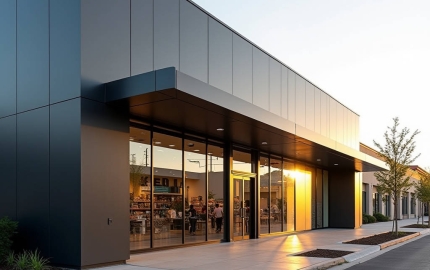
Aluminum Retail Facade Engineering for Brand Critical Storefronts and Long Span Applications
Aluminum Retail Facade systems engineered for brand-critical storefronts. Covers solid aluminium panel thickness, PVDF coating specs, thermal movement, wind load zoning, and 15-year lifecycle cost analysis for retail construction.
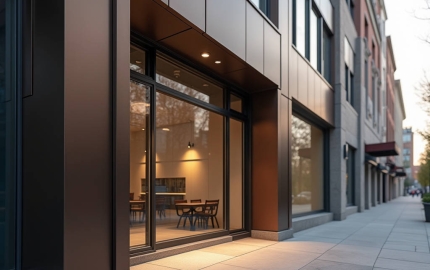
Aluminum Storefront Cladding Technical Guide for Commercial Facade Engineers and Contractors
Aluminum Storefront Cladding protects commercial storefront framing from weather, impact, and UV exposure. Covers material thickness, PVDF finishes, wind load engineering, attachment methods, and life-cycle cost analysis for specifiers and contractors.
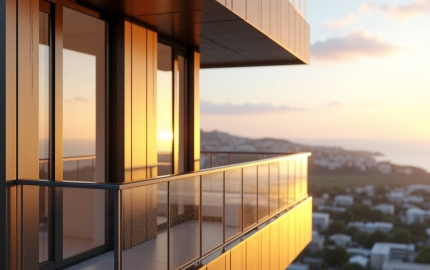
Aluminum Balcony Panel Coating Systems Compared PVDF Powder and Anodized Finishes for Facade Engineers
Aluminum Balcony Panel coating systems compared: PVDF, polyester powder, and anodized finishes evaluated for UV resistance, salt spray, and lifecycle cost. Data-driven guide for facade engineers and procurement teams specifying balcony cladding for coastal, urban, and extreme climate projects.
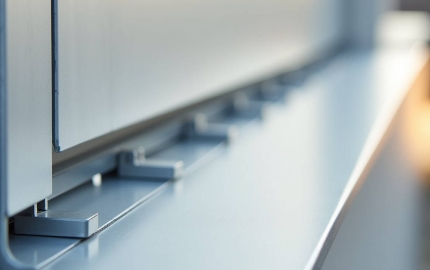
Aluminum Flashing Panel Specification for Commercial Rainscreen Facades and Curtain Wall Drainage
Aluminum flashing panel specification for commercial rainscreen facades: alloy selection, PVDF coating, drainage geometry, thermal movement, and wind load design for curtain wall contractors.
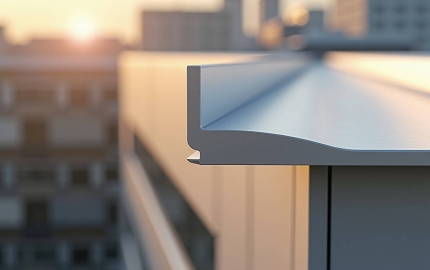
Aluminum Drip Edge Specification for Solid Aluminium Cladding Facades What Engineers Get Wrong
Aluminum Drip Edge specification for solid aluminium cladding facades demands precise alloy selection, profile geometry, and coating compatibility. Technical guide for architects and engineers.
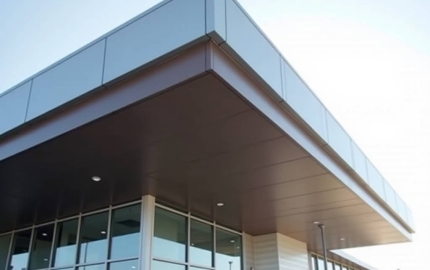
Aluminum Eaves Panel Engineering for Commercial Projects Alloy Selection Wind Load and Attachment Design
Aluminum eaves panel engineering for commercial projects: alloy selection, wind load design, thermal movement, PVDF coating specs, and attachment systems for long-term performance.
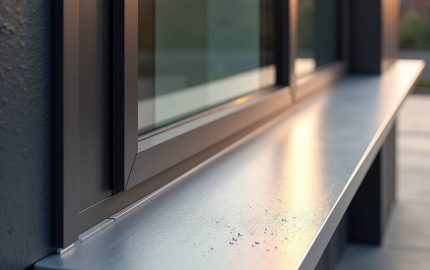
Aluminum Sill Panel Engineering for Drained Rainscreen Facades and Window Water Management
Aluminum Sill Panel specification guide for commercial building envelopes: drainage mechanics, solid sheet vs extruded profiles, coating systems, thermal performance, and installation sequencing for rainscreen facades.
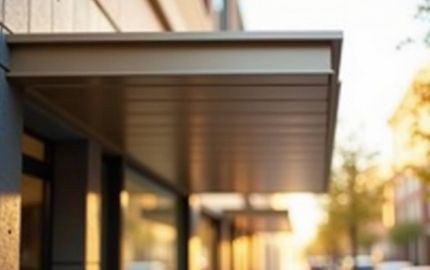
Aluminum Canopy Panel Engineering for Drainage Thermal Movement and Long Term Weathering Performance
Aluminum Canopy Panel specifications demand distinct engineering for drainage, thermal movement, and horizontal weathering. Covers solid aluminum thickness, PVDF finishes, and structural joint design.
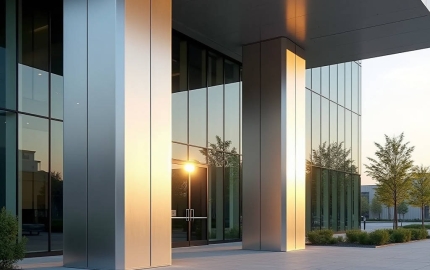
Aluminum Pillar Cladding Engineering Load Paths Thermal Movement and 20 Year Facade Performance
Aluminum Pillar Cladding engineering demands precise thermal movement accommodation, wind load transfer, and substrate preparation. This article examines joint design tolerances, coating selection, and installation sequencing for 20-year facade performance.