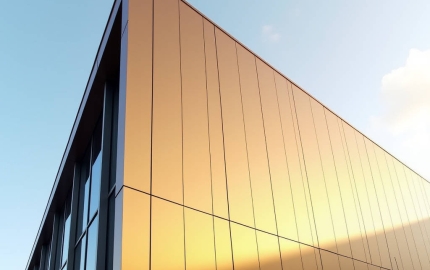
Metallic Finish Aluminum Panel Coating Systems and Performance Standards for Exterior Facades
Metallic finish aluminum panel performance depends on coating chemistry, not just appearance. This article analyzes PVDF, SMP, and polyester systems, AAMA 2605 compliance, and manufacturing tolerances for exterior cladding.
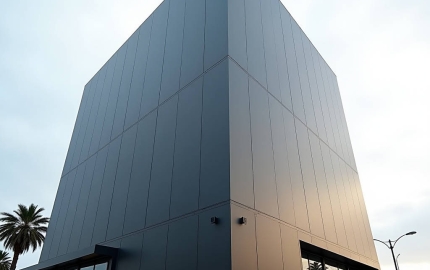
Matte Finish Aluminum Facade Longevity Coating Specs and Real World Performance Data
Matte Finish Aluminum Facade longevity depends on coating chemistry, film thickness, and gloss unit control. Technical breakdown of PVDF specs, corrosion resistance, and maintenance realities for coastal and high-UV projects.
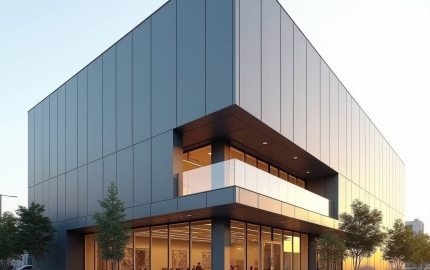
Matte Finish Aluminum Panel Specification Guide Gloss Units PVDF Chemistry and Facade Performance
Matte finish aluminum panel specifications require precise gloss unit control, multi-angle color measurement, and PVDF coating chemistry knowledge. Technical guide for architects and facade engineers.
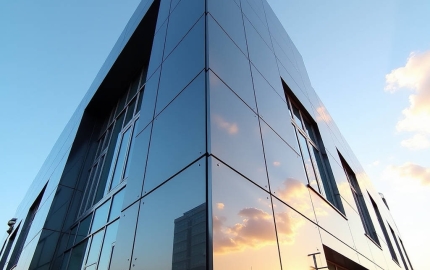
High Gloss Aluminum Panel Facades Demand Engineering Precision Beyond the Shine
High Gloss Aluminum Panel facades demand precise engineering in coating chemistry, flatness tolerances, and thermal movement. Learn the technical parameters that prevent field failures.
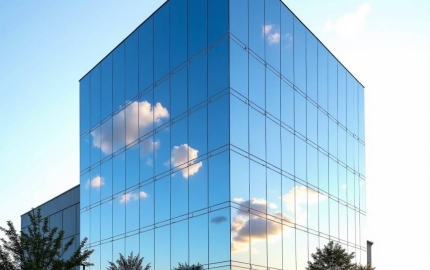
Mirror Aluminum Facade Engineering Solid Panel Reflectivity Coating and Wind Load Performance
Mirror Aluminum Facade systems using solid aluminum panels deliver glass-like reflectivity with superior durability. Covers PVD and PVDF coating processes, wind load data, thermal performance, and coastal corrosion resistance.
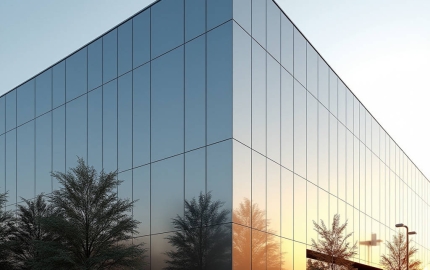
Mirror Finish Aluminium Panel Engineering and Specification for High Reflectance Facades
Mirror finish aluminium panel facades demand rigorous substrate quality, precise fabrication, and disciplined installation. Covers reflectance metrics, polishing vs. coating routes, cost drivers, and long-term maintenance for specifiers and contractors.
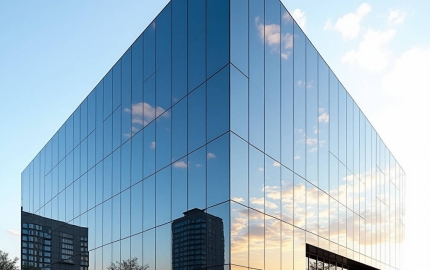
Mirror Finish Aluminum Panel Engineering Flatness Coating and Installation Demands
Mirror Finish Aluminum Panel engineering demands precision in substrate, flatness, and coating selection. This article covers anodized vs PVDF mirror finishes, fabrication tolerances, and installation requirements for solid aluminum cladding.
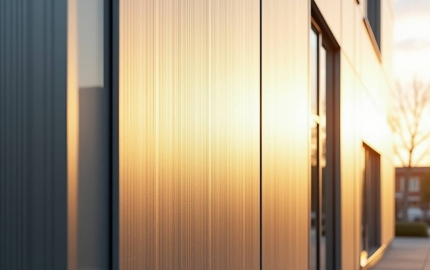
Brushed Aluminium Panel Specification Guide for Commercial Facade Engineering
Brushed Aluminium Panel specification guide covering alloy selection, coating systems, directional grain fabrication, and long-term weathering performance for commercial facade projects.
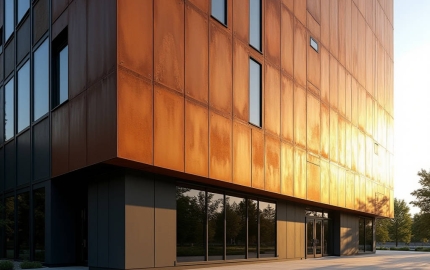
Corten Steel Effect Aluminum Facade Engineering Performance and Coating Specification Guide
Corten Steel Effect Aluminum Facade delivers weathered steel aesthetics on solid aluminium panels. Compares PVDF vs FEVE coatings, accelerated weathering data, and installed cost analysis.
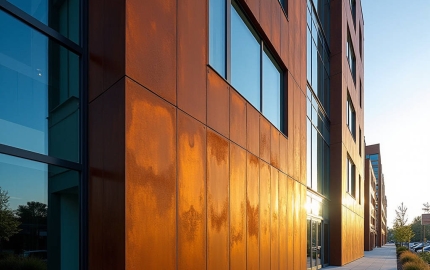
Corten Effect Aluminum Panel Engineering and Specification for Modern Facade Systems
Corten Effect Aluminum Panel delivers the weathered steel aesthetic on solid aluminium cladding. Covers coating technologies, weight advantages, runoff elimination, and cost comparisons for facade engineers.
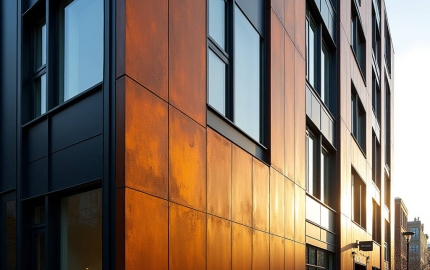
Rust Effect Aluminum Panel Engineering Finish Chemistry and Rainscreen Performance Standards
Rust Effect Aluminum Panel systems deliver the aesthetic of weathered steel without structural corrosion. This article examines PVDF finish chemistry, AAMA 2605 performance standards, rainscreen integration, and lifecycle cost analysis for solid aluminum cladding.
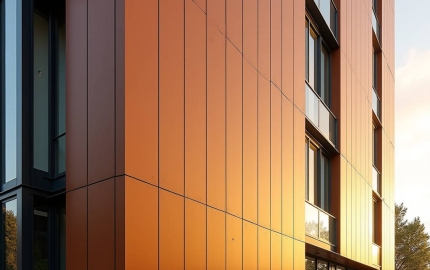
Terracotta Effect Aluminum Facade Engineering Solid Panels That Outperform Fired Clay
Terracotta Effect Aluminum Facade systems replicate fired clay aesthetics using solid aluminium panels with PVDF or powder coatings. Covers coating chemistry, substrate gauges, rainscreen physics, cost data, and specification guidance.
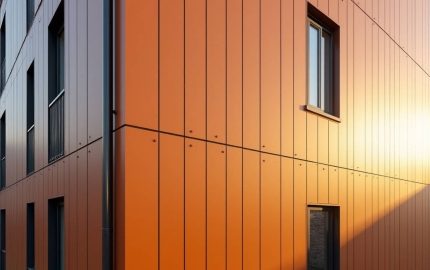
Terracotta Effect Aluminum Panel Engineering and Procurement Guide for Facade Professionals
Terracotta Effect Aluminum Panel systems combine PVDF coating chemistry with solid aluminum substrates to deliver the warmth of clay at a fraction of the weight. Covers coating durability, rainscreen design, and cost structure.
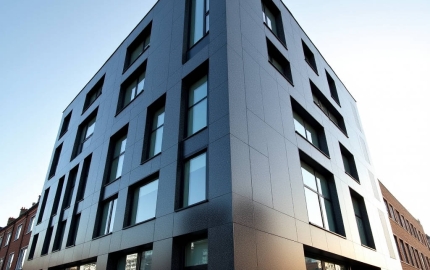
Granite Effect Aluminum Facade Engineering From Coating Chemistry to Installed Cost
Granite Effect Aluminum Facade systems deliver natural stone aesthetics at 40-60% lower installed cost than quarried granite. This article covers PVDF and FEVE coating technologies, panel thickness engineering from 2.0mm to 3.0mm, substructure selection, wind load calculations, and cost breakdowns for solid aluminium cladding.
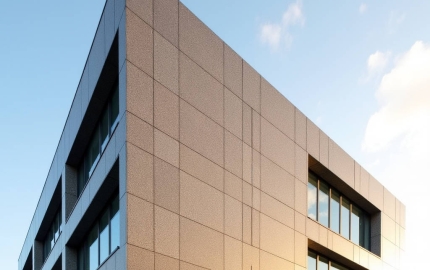
Granite Finish Aluminum Panel Coating Systems That Survive 10 Years of UV and Salt Exposure
Granite Finish Aluminum Panel durability depends on PVDF coating chemistry, not just aesthetics. Learn how 3-coat and 4-coat systems, AAMA 2605 testing, and substrate stability affect 10-year weathering performance.
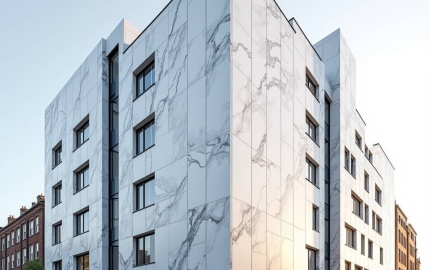
Marble Effect Aluminum Facade Engineering and Specification for Solid Panel Rainscreen Systems
Marble Effect Aluminum Facade systems deliver natural stone aesthetics on solid 2.5–3.0mm aluminium panels with PVDF or FEVE coatings. Covers wind load design, fixing systems, thermal movement, cost breakdown, and regional specification trends for architects and facade contractors.
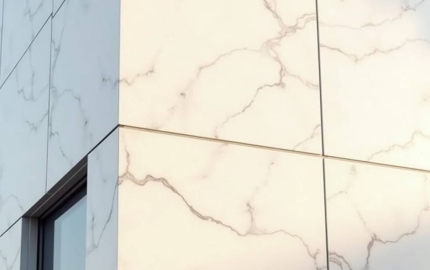
Marble Finish Aluminum Panel Coating Chemistry and Long Term Facade Durability
Marble Finish Aluminum Panel specifications demand rigorous coating chemistry and fabrication control. This article examines PVDF vs FEVE clearcoats, digital print resolution, thermal movement, and edge corrosion for solid aluminum cladding.
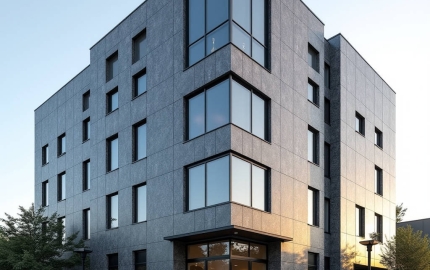
Stone Effect Aluminum Cladding Coating Chemistry and 20 Year Weathering Performance Data
Stone Effect Aluminum Cladding analyzed through coating chemistry, accelerated weathering data, and substrate performance. Compare PVDF, polyester powder, and sublimation systems with real Delta E values and warranty expectations.
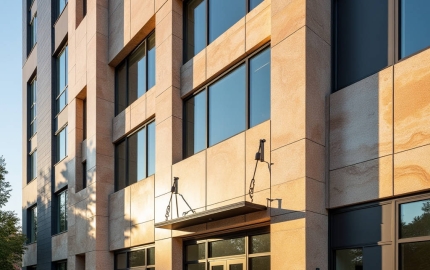
Stone Finish Aluminum Panel Coating Technologies and Performance Standards for Facade Specification
Stone finish aluminum panel systems deliver natural stone aesthetics at one-eighth the weight. This technical guide covers PVDF, sublimation, and FEVE coating technologies, fire performance of solid aluminum substrates, fabrication tolerances, and lifecycle cost analysis for commercial facade specification.
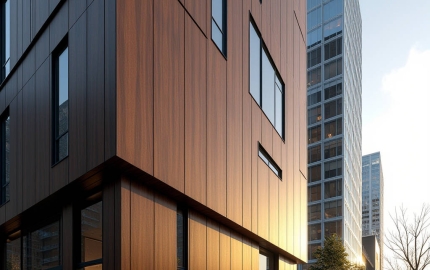
Timber Grain Aluminum Facade Engineering From Sublimation Chemistry to Wind Load Performance
Timber Grain Aluminum Facade systems deliver authentic wood aesthetics through sublimation on solid aluminum panels. Covers PVDF coating chemistry, NFPA 285 fire compliance, wind load span tables, and 30-year maintenance cost analysis.
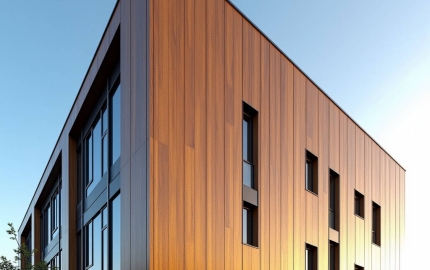
Wood Effect Aluminum Cladding Engineering Specs and 25 Year Cost Analysis for Solid Aluminium Facades
Wood Effect Aluminum Cladding offers timber aesthetics with metal durability. This article covers coating technologies, fire performance, panel sizing, and 25-year cost analysis for solid aluminium panels.