How the Aluminum Anodic Oxidation Process Determines Solid Cladding Panel Performance
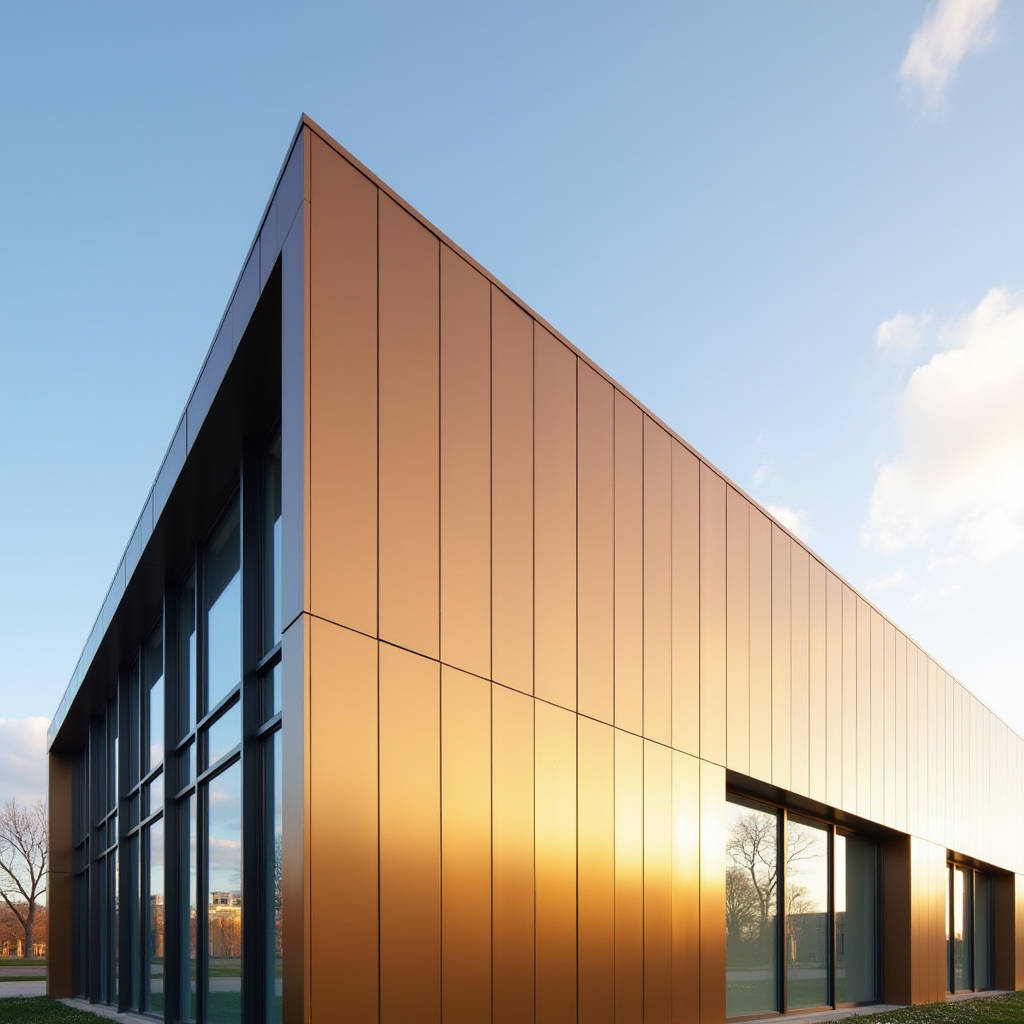
When a project specification calls for anodized aluminum cladding, the architect is not simply asking for a color. They are specifying an electrochemical conversion process that fundamentally alters the surface of the metal at a micron level. The Aluminum Anodic Oxidation Process is distinct from painting or powder coating because it does not deposit a film on top of the substrate. Instead, it grows a crystalline oxide layer outward from the aluminum itself, creating a surface that is integral to the metal rather than merely bonded to it. For facade engineers and procurement managers working on commercial towers, transport hubs, or institutional buildings, understanding this distinction matters. The process determines how the panel weathers over 30 years, how it responds to coastal salt spray, and whether the color shifts perceptibly between production batches. This article examines the process from the perspective of solid aluminum cladding panels, specifically sheets in the 2.0mm to 3.0mm thickness range, and addresses the engineering realities that influence specification decisions on large-scale projects.
What Actually Happens During the Aluminum Anodic Oxidation Process
The Aluminum Anodic Oxidation Process is an electrochemical treatment where the aluminum panel serves as the anode in an electrolytic cell. A direct current passes through an acid electrolyte—typically sulfuric acid for architectural applications—and oxygen ions are driven toward the aluminum surface. These ions react with the aluminum atoms to form aluminum oxide (Al₂O₃), but unlike the thin, amorphous oxide that forms naturally on aluminum in air, this layer is structured, controlled, and orders of magnitude thicker.
What makes this process unique for facade panels is the self-assembling pore structure. As the oxide layer grows, the acid electrolyte partially dissolves the outer surface, creating a regular hexagonal array of nanopores. These pores are not defects. They are the defining feature that allows the anodic layer to accept dyes, sealants, and lubricants. The pore diameter, interpore spacing, and layer thickness are all controllable through voltage, electrolyte concentration, temperature, and processing time. For solid aluminum cladding panels, the typical anodic layer thickness ranges from 10 to 25 microns for architectural Class II finishes under AAMA 611 standards.
Voltage Control and Pore Architecture
The relationship between anodizing voltage and pore structure is linear and predictable. In sulfuric acid anodizing at 15-20 volts, pore diameters typically fall in the 10-15 nanometer range with interpore spacing of approximately 40-60 nanometers. This nanoporous architecture is what gives anodized aluminum its ability to bond with subsequent sealing treatments. When the process shifts to phosphoric acid anodizing at higher voltages, the pore diameter increases significantly—sometimes to 100 nanometers or more—which is useful for adhesive bonding in structural applications but less common for architectural cladding.
For the procurement manager, this voltage-pore relationship has practical implications. Panels anodized under inconsistent voltage control will exhibit variations in pore structure across the sheet surface. These variations translate directly into uneven dye uptake and inconsistent sealing, which manifest as visible color banding on the finished facade. Quality anodizing lines serving the architectural market maintain voltage stability within ±0.5V across the entire tank, and this is one of the parameters that should be audited during factory visits.
Alloy Selection: The Variable That Determines Everything
Not all aluminum alloys respond to the Aluminum Anodic Oxidation Process in the same way. The alloy composition directly determines the color, clarity, and corrosion resistance of the finished anodic layer. This is not a minor variable—it is the single most important material decision in specifying anodized solid aluminum cladding.
Alloys in the 5xxx series (Al-Mg) are widely considered the best choice for architectural anodizing. Specifically, 5005 and 5052 alloys produce a clear, silvery anodic finish with minimal color shift. The magnesium content in these alloys forms a transparent oxide that does not discolor the anodic layer. In contrast, 6xxx series alloys (Al-Mg-Si) contain silicon, which remains as insoluble particles in the anodic film and creates a grayish, sometimes streaky appearance. This can be desirable for certain architectural effects but must be understood and specified intentionally rather than discovered on site.
The 3xxx series, particularly 3003, is commonly used for solid aluminum cladding panels. However, its manganese content produces a yellowish-brown tint in the anodic layer. This is not a defect—it is a metallurgical inevitability. Architects specifying bright, clear anodized finishes should insist on 5005 alloy for the sheet stock. The cost difference between 3003 and 5005 is typically 8-12% on the raw material, but the visual difference on a 20-story facade is irreparable once the panels are installed.
Iron Content and the Grayness Problem
Recycled aluminum content, while environmentally beneficial, introduces trace iron into the alloy. During the Aluminum Anodic Oxidation Process, iron-rich intermetallic particles do not anodize at the same rate as the surrounding aluminum matrix. They create localized disruptions in the oxide layer that scatter light differently, producing a duller, grayer appearance. For architectural cladding where color consistency across thousands of panels is non-negotiable, primary aluminum with controlled iron content below 0.1% is strongly recommended. Suppliers like Futeng® who maintain dedicated alloy sourcing for anodized panel production can provide mill certificates documenting the precise chemical composition of each coil batch.
Sealing: The Step That Determines Service Life
After the anodic layer is grown and any coloring is applied, the pores must be sealed. An unsealed anodic layer is a sponge—it will absorb contaminants, trap moisture, and corrode from within. Sealing closes the pore mouths and locks the anodic structure into a stable, corrosion-resistant state. The sealing method chosen directly determines how the panel performs over decades of facade exposure.
Hot Water Sealing vs. Cold Nickel Sealing
Hot water sealing, also known as hydrothermal sealing, has been the standard for architectural anodizing since the 1960s. The panels are immersed in deionized water at 96-100°C for 2-3 minutes per micron of oxide thickness. Under these conditions, the aluminum oxide at the pore walls hydrates to form boehmite (AlOOH), which occupies a larger volume than the original oxide and physically plugs the pores. The process is simple, chemical-free, and produces a stable seal that withstands UV exposure indefinitely.
Cold nickel sealing uses nickel fluoride solutions at 25-30°C and works through a different mechanism—nickel hydroxide precipitates within the pores. The sealing time is shorter, typically 1-1.5 minutes per micron, and energy costs are lower. However, the nickel content in the seal layer can cause a slight greenish tint on clear anodized finishes, and some projects now restrict nickel use due to environmental regulations on wastewater discharge. For coastal projects where corrosion resistance is paramount, hot water sealing remains the preferred specification under ISO 3210 quality testing protocols.
Color Consistency Across Production Batches
One of the most persistent challenges in anodized aluminum cladding is maintaining color uniformity from panel to panel and batch to batch. Unlike PVDF coatings where color is mixed from a standardized formula, the color of an anodized panel is the result of an electrochemical interaction between the specific alloy, the electrolyte chemistry, the processing parameters, and the sealing conditions. Every variable matters.
The Aluminum Anodic Oxidation Process produces color through two primary mechanisms. The first is the natural interference color of the oxide layer itself, which shifts from clear to pale gold to bronze as the layer thickness increases. The second is electrolytic coloring, where metal salts—typically tin, cobalt, or nickel—are electrodeposited into the pore bottoms after anodizing. This produces the range of architectural bronze and black finishes common on commercial facades. The color intensity depends on the amount of metal deposited, which in turn depends on the pore structure uniformity created during the initial anodizing step.
For procurement managers, the practical implication is that anodized panels for a single facade elevation should come from a single production campaign using the same alloy coil, the same anodizing line, and the same electrolyte batch. Splitting a facade order across multiple production runs to meet a tight schedule is a known cause of visible color mismatch. The tolerance for color variation under ASTM B137 is typically a Delta E of 2.0 or less when measured with a spectrophotometer, but the human eye can detect differences as low as Delta E 1.0 on large, adjacent panels under uniform lighting.
Corrosion Resistance: The Real-World Performance Data
Laboratory salt spray tests provide a standardized comparison, but they do not always predict real facade performance. The Aluminum Anodic Oxidation Process produces an oxide layer that is chemically stable across a pH range of approximately 4 to 9. Outside this range—in highly acidic industrial atmospheres or highly alkaline environments—the oxide dissolves. This is why anodized aluminum performs exceptionally well in coastal and urban environments but can fail rapidly in proximity to wet concrete or alkaline cleaning chemicals.
The following table summarizes corrosion resistance data for different anodizing specifications on 5005 alloy solid aluminum panels, based on accelerated weathering and field exposure data:
| Anodizing Specification | Oxide Thickness | Salt Spray Resistance (ASTM B117) | Field Performance (Coastal, 15 Years) | Recommended Application |
|---|---|---|---|---|
| Class I (AAMA 611) | 18-25 microns | 3,000+ hours | No visible pitting; slight gloss reduction | Exterior cladding, coastal zones |
| Class II (AAMA 611) | 10-18 microns | 1,000-1,500 hours | Minor pitting at cut edges; color stable | Exterior cladding, inland |
| Architectural Class II | 12-15 microns | 1,200-1,800 hours | Acceptable with regular cleaning | Commercial facades, urban |
| Industrial Hard Anodize | 25-50 microns | 2,000+ hours | Excellent; darker natural color limits aesthetics | High-traffic contact areas |
The data underscores a key point: for solid aluminum cladding panels on exterior facades, Class I anodizing under AAMA 611 is the minimum defensible specification for coastal projects. The incremental cost of moving from Class II to Class I is approximately 15-20% on the finishing cost, which translates to roughly 3-5% on the total installed panel cost. Against the cost of replacing failed panels on a high-rise, this is a negligible premium.
Process Control Parameters That Affect Facade Quality
The difference between an anodized panel that looks flawless on a facade and one that shows streaks, color shifts, or premature corrosion often comes down to process control parameters that are invisible in the finished product. Architects and specifiers do not need to become electrochemists, but understanding which parameters matter helps in evaluating supplier capabilities.
Electrolyte Temperature Management
The sulfuric acid electrolyte in architectural anodizing must be maintained at 18-22°C. Higher temperatures increase the dissolution rate of the oxide at the pore bases, producing a softer, more porous film with reduced hardness and corrosion resistance. Lower temperatures produce a harder, denser film but require higher voltages that increase energy costs and can cause burning at high-current-density areas such as panel edges. The temperature must be uniform throughout the tank—a variation of more than 1°C across the tank volume will produce measurable differences in oxide thickness and pore structure between panels positioned at different locations in the same batch.
Industrial anodizing lines serving the architectural market use chiller systems with ±0.5°C control and continuous electrolyte circulation to maintain thermal uniformity. When auditing a supplier, the presence of temperature monitoring at multiple tank positions and automated chiller control is a basic indicator of process capability.
Current Density and Ramp Rate
Current density in architectural anodizing typically ranges from 1.0 to 1.5 amperes per square decimeter (A/dm²). The ramp rate—how quickly the current is brought up to the target density at the start of the process—is critical. A ramp that is too fast creates a non-uniform initial oxide layer that affects the entire subsequent film structure. A controlled ramp over 60-90 seconds allows the oxide to nucleate uniformly across the panel surface.
For solid aluminum cladding panels, which are large-format sheets often exceeding 1.5 meters in one dimension, current distribution across the panel surface is inherently non-uniform. The edges, being closer to the cathodes, experience higher current density than the center. This edge effect can produce measurable differences in oxide thickness and color between the panel center and the perimeter. Quality-conscious anodizers use cathode placement strategies and current profiling to minimize this variation, but specifiers should be aware that a slight edge-to-center color gradient is a physical reality of the Aluminum Anodic Oxidation Process on large panels, not a manufacturing defect.
Mechanical Properties After Anodizing
The anodic layer is ceramic—aluminum oxide has a hardness of approximately 9 on the Mohs scale, second only to diamond. This hardness provides excellent abrasion resistance, but it also means the layer is brittle. When an anodized solid aluminum panel is bent, formed, or impacted, the anodic layer can craze or crack before the aluminum substrate yields.
This has direct implications for cladding panel fabrication. All forming, bending, punching, and cutting operations must be completed before anodizing. Anodizing a panel that has already been fabricated to its final shape is the standard sequence. If post-anodizing forming is unavoidable—for example, for field adjustments—the bend radius must be at least 3 times the panel thickness for Class I anodized finishes, and heat-assisted bending is recommended to reduce stress on the oxide layer.
The fatigue properties of the aluminum substrate are also affected. The anodic layer introduces a hard, brittle surface that can act as a crack initiation site under cyclic loading. For cladding panels, this is rarely a design-limiting factor because facade loads are predominantly static wind loads, not cyclic. However, for panels installed in high-vibration environments such as near rail lines or mechanical equipment, the fatigue reduction factor for anodized aluminum should be considered in the fixing design.
Environmental and Regulatory Considerations
The Aluminum Anodic Oxidation Process has a different environmental profile compared to organic coating systems. The electrolyte is sulfuric acid, which is neutralized before discharge. The sealing step may use nickel salts, which are subject to increasingly stringent wastewater regulations in many jurisdictions. The process does not emit volatile organic compounds (VOCs), which is a significant advantage over solvent-based PVDF coating systems in regions with strict air quality regulations.
However, anodizing is energy-intensive. Maintaining large electrolyte tanks at controlled temperatures, powering rectifiers for extended periods, and heating sealing baths all contribute to a significant electrical load. The carbon footprint of an anodized finish depends heavily on the energy mix of the local grid. For projects pursuing LEED or BREEAM certification, the embodied carbon of the finishing process should be evaluated alongside the material's service life and recyclability. Anodized aluminum is fully recyclable at end of life, and the anodic layer does not interfere with the recycling process—it dissolves in the remelt furnace and is captured in the dross.
Specifying Anodized Solid Aluminum Cladding: A Practical Checklist
Translating the technical understanding of the Aluminum Anodic Oxidation Process into a clear, enforceable specification is the final step. The following points should be addressed in every project specification for anodized solid aluminum cladding panels:
- Alloy designation: Specify 5005 or 5052 for clear and light-colored anodized finishes. Accept 3003 only when a warm tint is acceptable and documented with a control sample.
- Anodizing class: Specify Class I per AAMA 611 for all exterior cladding panels. Class II is acceptable only for soffit and sheltered applications.
- Sealing method: Specify hot water sealing for maximum corrosion resistance. Cold nickel sealing is acceptable only with documented color compatibility testing.
- Color range: Define a Delta E tolerance of 2.0 maximum between any two panels on the same facade elevation, measured per ASTM D2244.
- Coating thickness: Require eddy-current thickness testing per ASTM B244 with a minimum of 5 measurements per panel and documentation of all readings.
- Quality testing: Require seal quality testing per ISO 3210 (phosphoric-chromic acid dissolution test) with a maximum mass loss of 30 mg/dm².
- Batch control: Require that all panels for a single elevation be produced from a single alloy coil batch and a single anodizing campaign.
These requirements are not excessive. They represent the standard of care that competent anodizers serving the architectural market already meet. The purpose of including them in the specification is to exclude suppliers who cannot demonstrate this level of process control.
When Anodizing Is the Right Choice—and When It Is Not
The Aluminum Anodic Oxidation Process produces a finish that is fundamentally different from organic coatings. It does not peel, it does not chalk under UV exposure, and it does not add a measurable thickness to the panel that would affect joinery tolerances. The color is stable over decades because it is not a pigment suspended in a binder—it is either the natural interference color of the oxide or metal particles locked inside the pore structure.
However, anodizing is not the universal solution. The color range is limited compared to PVDF coatings. Bright whites, vivid reds, and saturated blues are not achievable with anodizing. The finish is susceptible to chemical attack from alkaline cleaning agents, and acid rain in heavily industrialized areas can etch the surface over time. Anodized panels also show fingerprints and handling marks more readily than textured powder coatings, which has implications for installation and maintenance protocols.
The decision between anodizing and organic coating should be driven by the project's aesthetic goals, environmental exposure, maintenance regime, and budget. For projects where a metallic, natural aluminum appearance is desired and long-term color stability under UV exposure is critical, anodizing is the technically superior choice. For projects requiring bold, saturated colors or maximum chemical resistance, PVDF or FEVE coatings are more appropriate. A technically informed specification is one that matches the finish to the actual performance requirements, not one that defaults to a familiar option.
The solid aluminum cladding industry has matured to the point where both finishing technologies are well understood and reliably executed by competent suppliers. The value that an experienced specifier brings is not in choosing one over the other universally, but in understanding the Aluminum Anodic Oxidation Process deeply enough to know exactly when it will deliver the performance the project demands—and when it will not. That judgment, informed by metallurgy, electrochemistry, and field experience, is what separates a durable facade from a costly lesson.