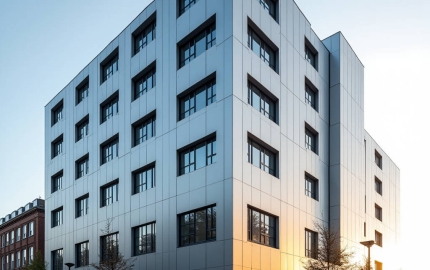
Aluminium External Wall Cladding Rainscreen Drainage And Wind Load Design
Aluminium external wall cladding requires precise rainscreen cavity design and wind load engineering. Technical guide on drainage, pressure equalization, and structural safety.
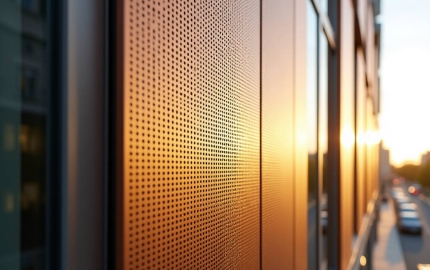
Double Skin Aluminium Facade Engineering From Cavity Design to Panel Specification
Double Skin Aluminium Facade systems combine two aluminium layers with a ventilated cavity for thermal buffering, acoustic attenuation, and moisture control. Covers solid aluminium panel specs, cavity design, wind load analysis, and installation sequencing for facade engineers and contractors.
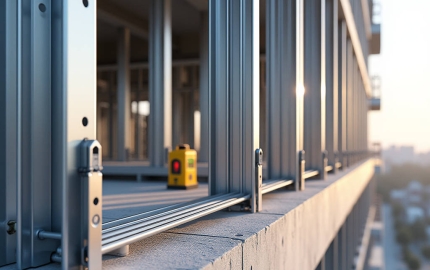
Aluminum Subframe System Engineering Load Paths Thermal Bridging and Site Installation
An aluminum subframe system determines facade performance through load transfer, thermal bridging control, and installation efficiency. Explore engineering criteria, wind load design, and procurement strategy.
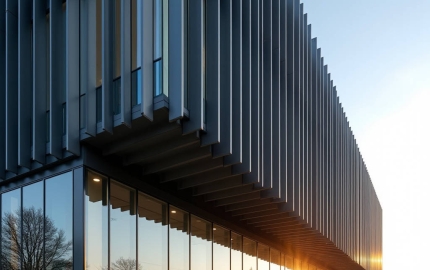
Structural Integrity and Wind Load Calculations for Aluminium Fins Facade Systems
Aluminium fins facade systems require precise wind load engineering and material selection. This technical analysis covers structural calculations, alloy specifications, and installation tolerances for commercial projects.
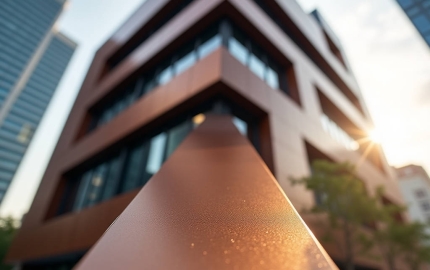
Ventilated Aluminum Facade Engineering From Rainscreen Physics to Site Installation
Ventilated Aluminum Facade systems explained with technical depth on rainscreen physics, solid panel engineering, wind load spans, PVDF coating specs, and cavity fire safety for architects and contractors.
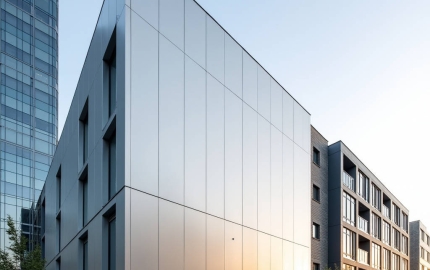
Concealed Fixing Aluminum Bracket Engineering Load Paths and Installation Specs for Solid Aluminium Facades
Concealed Fixing Aluminum Bracket systems for solid aluminium cladding: load paths, bracket types, wind load calculations, corrosion protection, and installation specs for facade engineers.
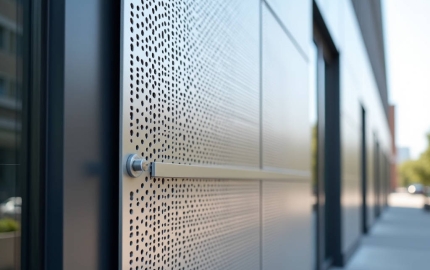
Structural Integrity and Wind Load Management in Decorative Perforated Aluminum Sheet Facades
Decorative perforated aluminum sheet requires precise engineering for wind loads and coating adhesion. Technical guide on structural capacity, open area limits, and installation specs.
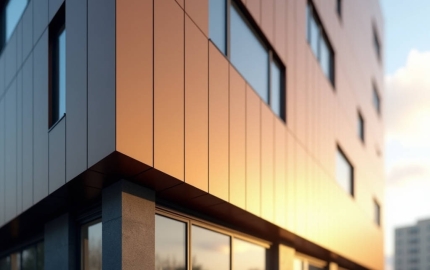
Ventilated Aluminium Facade Engineering Load Paths Panel Gauges and Cavity Performance
Ventilated Aluminium Facade systems rely on precise engineering of the air cavity, solid panel gauge, and substructure load paths. This article covers wind load design, PVDF coating specs, thermal break detailing, and installation sequencing for long-term facade performance.

Visible Fixing Aluminum Clip Engineering Load Paths and Material Selection for Solid Aluminium Rainscreens
Visible Fixing Aluminum Clip engineering guide for solid aluminium rainscreen systems. Covers clip material selection, wind load calculations, thermal bridging, and corrosion prevention for facade contractors and specifiers.
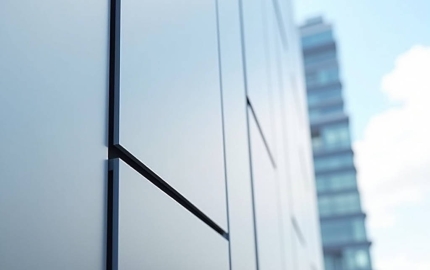
Solid Aluminium Cladding Facade Performance Under Extreme Wind Load
Aluminium cladding facade performance relies on precise wind load engineering and material selection. This analysis covers solid panel thickness, fixing methods, and coating standards for high-rise safety.
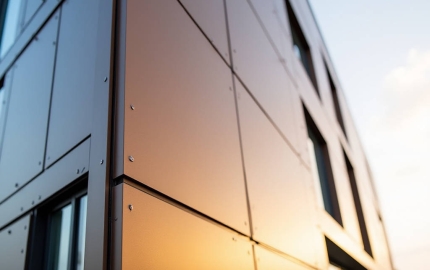
Rainscreen Aluminum Cladding Subframe Engineering for Wind Load Performance in High Rise Facades
Rainscreen Aluminum Cladding subframe engineering determines wind load performance. Covers aluminum vs steel subframes, bracket spacing, fastener grades, thermal bridging, and installation tolerances for mid-rise and high-rise facades.
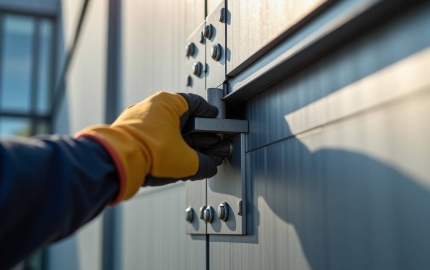
Interlocking Aluminum Bracket Engineering for Solid Cladding Facades Load Paths and Thermal Slip
Interlocking aluminum bracket systems determine the structural integrity of solid aluminum cladding facades. This article covers engineering principles, thermal slip mechanics, wind load calculations, corrosion prevention, and procurement specifications for rainscreen installations.
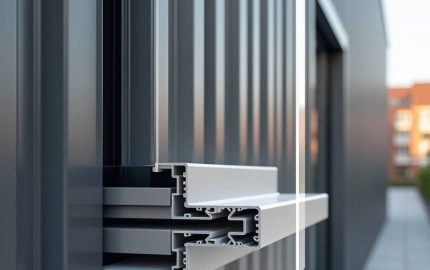
Thermal Movement Management in Aluminium Standing Seam Wall Cladding Systems
Aluminium standing seam wall cladding requires precise thermal movement engineering. Learn how to calculate expansion rates and specify sliding clips for durable facades.
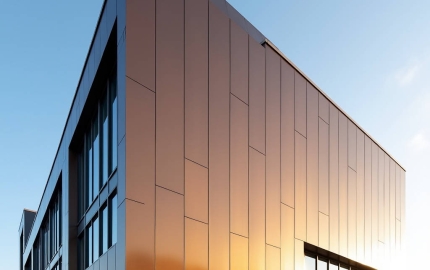
Rainscreen Aluminium Cladding Engineering Cavity Design Alloy Selection and Fixing Systems
Rainscreen Aluminium Cladding engineering guide covering cavity design, alloy selection, fixing systems, and thermal performance. Technical insights for facade contractors and specifiers.
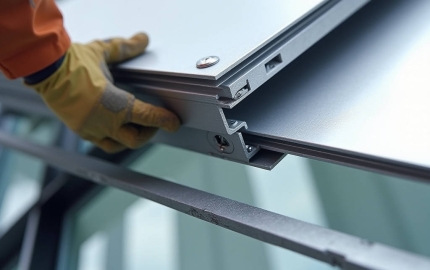
Aluminum Panel Hanging Bracket Engineering for Solid Aluminium Cladding Systems
Aluminum Panel Hanging Bracket selection directly impacts solid aluminium cladding longevity. Covers alloy grades, Z-clip load limits, galvanic corrosion, and installation tolerances.
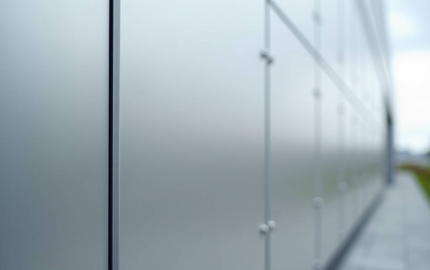
Aluminium Sheet Wall Cladding Alloy Selection and Structural Performance
Aluminium sheet wall cladding performance depends on precise alloy selection and structural detailing. Technical analysis of 5005 vs 3003 grades, PVDF adhesion, and thermal movement.
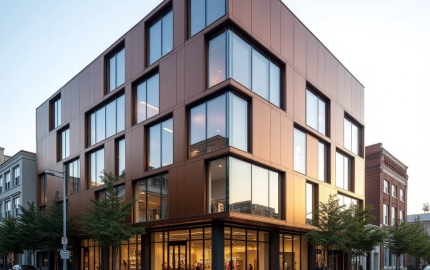
Open Joint Aluminum Facade Engineering and Installation for Commercial Rainscreen Projects
Open joint aluminum facade systems explained: how solid aluminum rainscreen panels with intentional gaps manage moisture, wind loads, and thermal movement for commercial buildings.
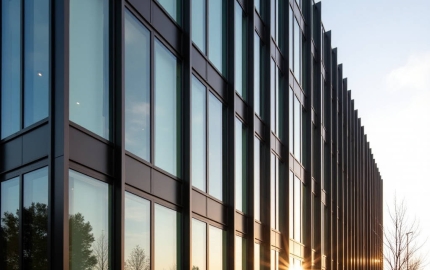
Aluminum Mullion Extension Engineering Thermal Performance and Field Installation for Curtain Wall Systems
Aluminum Mullion Extension engineering guide covering thermal bridging, expansion joint design, finish compatibility with solid aluminum cladding, and field installation tolerances for curtain wall professionals.
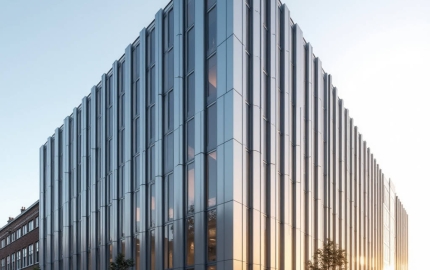
Facade Aluminium Composite Panel Alternatives Solid Sheet Technical Specs
Evaluating facade aluminium composite panel limitations against solid aluminium cladding for fire safety and flatness in commercial curtain wall projects requiring long-term durability.
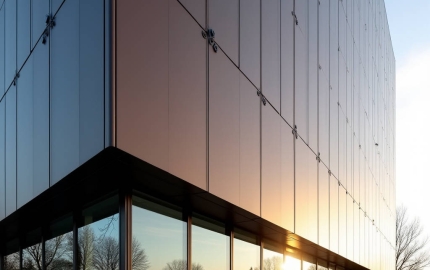
Closed Joint Aluminum Facade Engineering Gasket Selection Drainage and Thermal Movement for High Rise Rainscreens
Closed Joint Aluminum Facade systems use gasket-sealed panel joints to create a continuous weather barrier. This article covers gasket selection, drainage engineering, thermal movement calculations, cost analysis, and failure prevention for high-rise rainscreen applications.

Aluminum Transom Extension Load Paths Thermal Break Design and Alloy Selection for Facade Engineering
Aluminum Transom Extension in curtain wall engineering: structural load paths, thermal break design, alloy selection (6063-T6 vs 6061-T6), and integration with solid aluminum cladding panels.