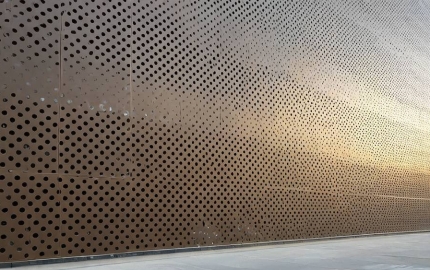
Why Perforated Metal Patterns Dissolve at 30 Metres and How to Specify Against It
Perforated metal specification errors stem from ignoring viewing distance optics, gauge-to-hole-diameter ratios, and coating coverage inside perforations. This article breaks down how pattern legibility collapses at 30 metres, why open area percentage skews perceived colour, and how CNC punching vs laser cutting impacts edge quality and flatness for architectural aluminium rainscreens.
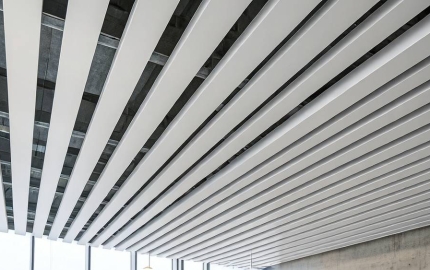
0.70 mm Aluminium Strip Ceiling Price Why Panel Gauge Drives 35 Percent of Installed Cost
Aluminium strip ceiling price depends heavily on panel thickness from 0.35mm to 0.80mm. Learn how gauge choice affects material cost, oil-canning risk, span limits, and installed system pricing for commercial projects.
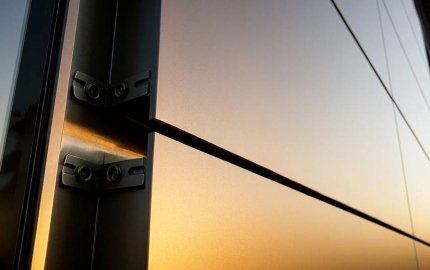
Aluminium Cladding Panels Deflection Limits and Stiffener Spacing for 30 Year Flatness
Aluminium cladding panels require precise deflection calculations to prevent oil canning and facade failure. This article breaks down L/60 vs L/90 limits, stiffener spacing, and wind zone engineering for 2.0 mm, 2.5 mm, and 3.0 mm solid panels.
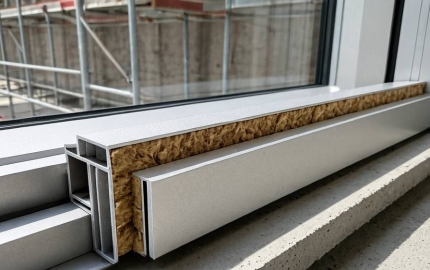
EN 13501-1 Fire Rating for Aluminium Spandrel Panel Cores A1 vs A2 s1 d0 Explained
Aluminium spandrel panel fire ratings decoded: how EN 13501-1 A1 vs A2-s1,d0 classifications affect high-rise specification, core material choices, and regional code compliance.
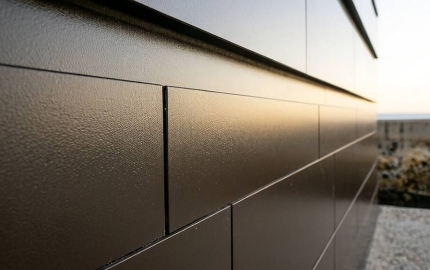
Why 25 Micron PVDF Coating on Aluminum Sidings Fails in Coastal Zones Within 8 Years
Aluminum sidings in coastal zones demand coating DFT beyond AAMA 2605 minimums. This article examines why 25 microns fails in chloride atmospheres, how color value and primer chemistry affect service life, and what a 3-coat PVDF or FEVE system actually costs versus a recladding project 12 years later.
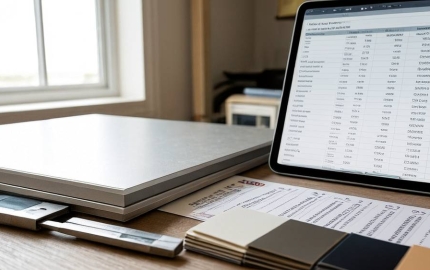
Aluminum Composite Panel Price 2026 Actual Cost Per Square Meter
Aluminum composite panel price depends on skin thickness, core chemistry, and coating type. Learn what drives cost from $12 to $45/m² and how to compare quotes accurately.
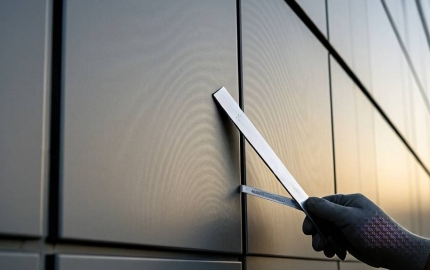
2.0 mm vs 3.0 mm Solid Aluminium Wall Panels Exterior and the Oil Canning Threshold
Aluminium wall panels exterior flatness depends on thickness, alloy temper, and stiffener design. Learn why 2.0 mm panels risk oil canning and how to specify enforceable acceptance criteria.
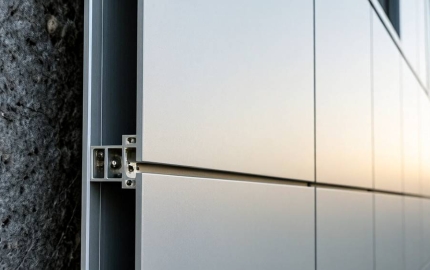
Why 3 mm Solid Aluminium Rainscreen Panels Outlast 2 mm Under CWCT Cyclic Wind Loads
Facade wall cladding rainscreen systems demand precise aluminium panel gauge selection tied to cavity depth, clip standoff, and cyclic wind loads. This article maps ASTM E330 and CWCT test requirements against 2.0 mm, 2.5 mm, and 3.0 mm solid aluminium panels for drained-and-ventilated cavity applications.
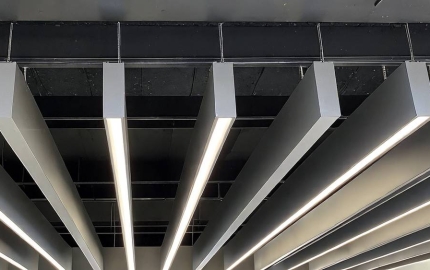
Clip In vs Hook On Aluminium Siling Systems 150 mm to 600 mm Panel Span Data
Aluminium siling systems compared: clip-in versus hook-on solid panels with span tables, installed costs, fire compliance notes and acoustic performance data from Malaysian projects.
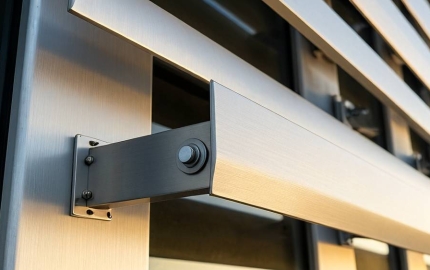
6063 T5 or 6082 T6 Aluminum Brise Soleil Alloy Selection for 30 Year Facade Life
Aluminum brise soleil alloy selection for facades comparing 6063 T5, 6063 T6, and 6082 T6 mechanical properties, corrosion resistance, and fabrication constraints across coastal and inland environments.
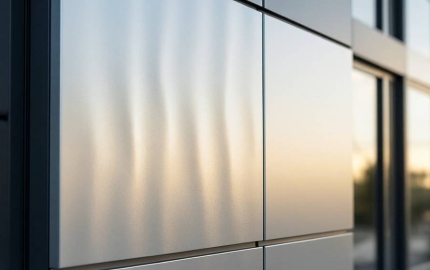
2mm vs 4mm Solid Wall Panel Aluminum Gauge Selection and the Oil Canning Cost Trap
Wall panel aluminum gauge selection between 2 mm and 4 mm analyzed through ASTM B209 deflection limits, oil canning ratios, fastener pull-through data, and a detailed project cost comparison table.
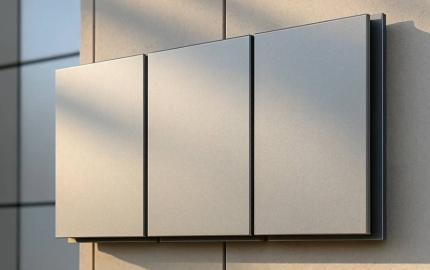
2 0 mm vs 3 0 mm Solid Alum Cladding Panels Deflection Cost and Oil Canning Reality
Alum cladding panel thickness directly controls deflection, oil canning risk, and installed cost. Compare 2.0 mm vs 2.5 mm vs 3.0 mm solid aluminium panels across wind load, fabrication, and project budgets.
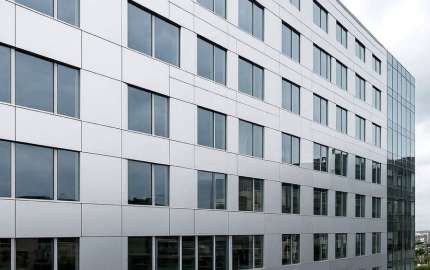
Exterior Cladding Materials Fire Rating and Installed Cost Comparison 2025
Exterior cladding materials selection hinges on fire ratings and real installed costs in 2025. Compare solid aluminium, fibre cement, HPL and terracotta by NFPA 285 compliance, lifecycle economics and supply chain lead times.
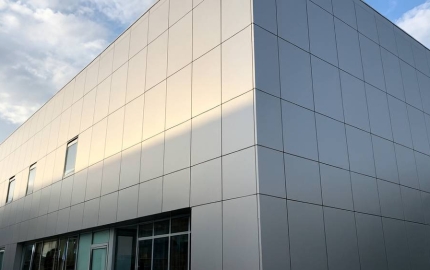
External Wall Panel 30 Year Maintenance Cost Comparison Aluminium WPC Fibre Cement Stone
External wall panel maintenance costs compared across solid aluminium, WPC, fibre cement, HPL and stone. See 30-year lifecycle data and why PVDF aluminium costs least over time.
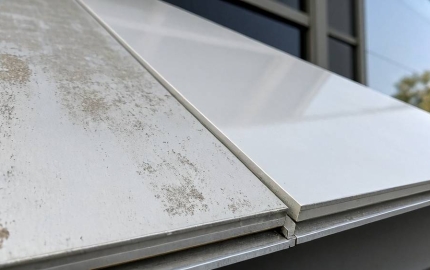
Aluminum Cladding Coatings Compared Using AAMA 2605 Test Data
Aluminum cladding coating failure stems from UV, chloride, and chemical attack. Compare PVDF, FEVE, polyester powder, and anodized finishes with AAMA 2605/2604 test data for 30 year facades.
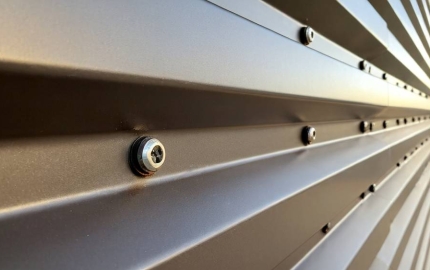
Exposed Fastener Metal Wall Cladding Panels and the 10 Year Re-gasket Burden
Metal wall cladding panels with exposed fasteners cost 30-50% less upfront but carry a hidden re-gasket burden. This article analyses fastener gasket degradation, thermal movement, galvanic corrosion, and substructure cost implications across a 25-year building lifecycle.
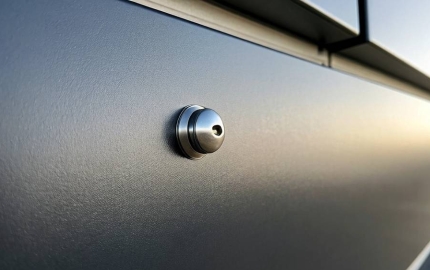
Slotted Fasteners Stop Oil Canning in Metal Facade Panel Systems
Metal facade panel thermal expansion causes oil-canning when fasteners restrict movement. Learn fixing point design, slot sizing, and fastener selection to prevent buckling.
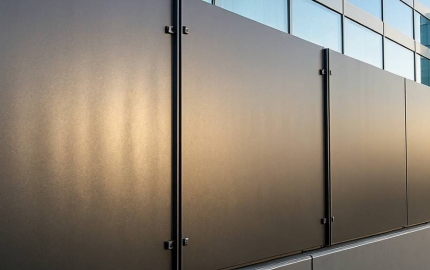
2 0 mm vs 2 5 mm vs 3 0 mm Solid Aluminium Wallpanel Exterior Thickness Guide
When specifying a wallpanel exterior in solid aluminium, panel thickness drives deflection limits, oil canning risk, and installed cost far more than most procurement teams anticipate. This article breaks down 2.0 mm, 2.5 mm, and 3.0 mm gauges with span tables and engineering guidance.
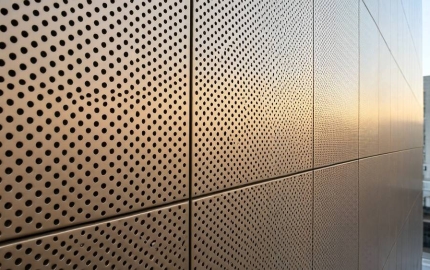
ผนัง อ ลู มิ เนียม Perforation Ratios 10 to 40 Percent and Their Structural Cost Impact
ผนัง อ ลู มิ เนียม perforation ratios from 10% to 40% directly affect structural stiffness, wind load coefficients, acoustic behavior, and fabrication cost. This technical analysis covers hole geometry, coating sequence, and specification checklist for solid aluminium cladding panels.
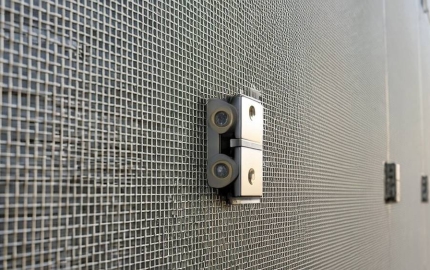
4 Metal Fabric Facade Attachment Systems Compared by Wind Load and Installed Cost
Metal fabric facade attachment systems determine long-term performance more than the mesh itself. Compare edge clamps, tension rods, jaw clamps, and cassette systems with cost data and wind load testing.
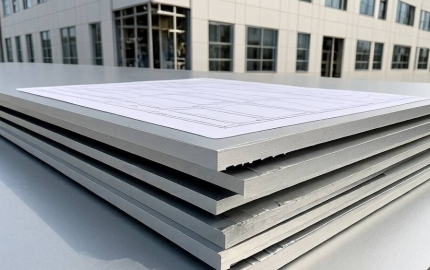
4x8 and 4x10 Wall Aluminium Sheet Sizes vs Custom Panels Cost and Waste Breakdown
Wall aluminium sheet standard sizes 4x8 and 4x10 versus custom-cut panels analysed for nesting waste, freight impact, and total installed cost on mid-rise commercial rainscreen façades.