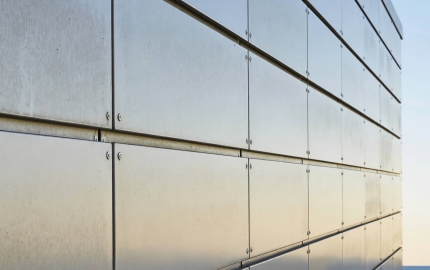
How Weathering Performance Determines Building Exterior Cladding Service Life
Building exterior cladding longevity hinges on real-world weathering performance, not just lab tests. This analysis examines PVDF coating chemistry, salt exposure, thermal cycling, and geographic degradation gradients for solid aluminium facade specification.
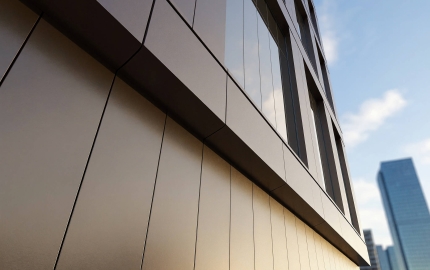
ACM Panel Specifications and the Solid Aluminium Alternative for High Rise Facade Engineering
acm panel terminology often blurs the line between composite and solid aluminium cladding. This article examines fire performance, wind load engineering, flatness, coating durability, and cost structure to help project teams make informed facade material decisions.
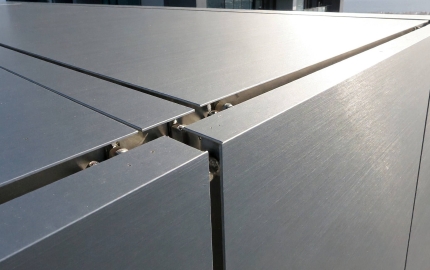
Aluminium Solid Sheet Wind Load Engineering for High Rise and Coastal Facades
Aluminium solid sheet wind load engineering explained: thickness selection, alloy grades, deflection limits, and fixing systems for high-rise and coastal facades.
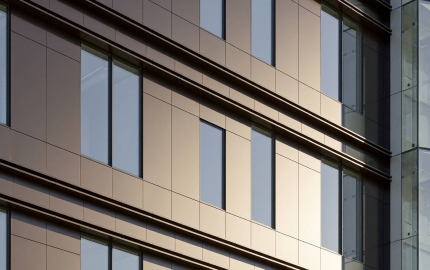
Solid Aluminium Sheet Cladding Thermal Movement Engineering for Long Life Facades
Solid aluminium sheet cladding demands precise thermal movement engineering. This article covers alloy selection, panel sizing, fixing systems, and joint design for lasting facades.
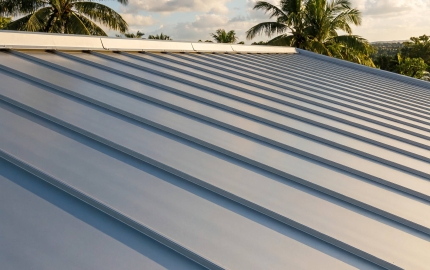
Solid Aluminium Atap Cladding Engineering for Tropical Roof Applications
Atap cladding in solid aluminium demands distinct engineering for tropical roofs. Covers alloy selection, thermal movement, wind uplift per ASTM E1592, and procurement verification for Southeast Asian projects.
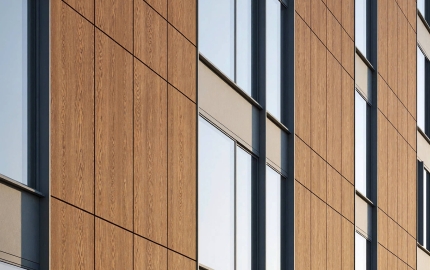
Aluminum Wood Cladding Coating Technologies and Specification Standards for Commercial Facades
Aluminum wood cladding combines timber aesthetics with metal durability. This article examines PVDF and FEVE coating technologies, UV degradation of wood-grain patterns, and specification requirements for long-life commercial facades.
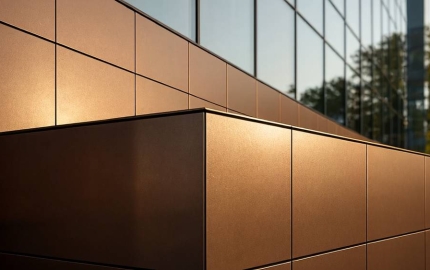
Composite Panel Terminology Errors Cause 40 Percent Facade Specification Failures
Composite panel terminology creates specification ambiguity that leads to fire compliance and structural failures on facade projects. This article dissects the engineering distinctions between solid aluminium cladding panels and true composite panels.
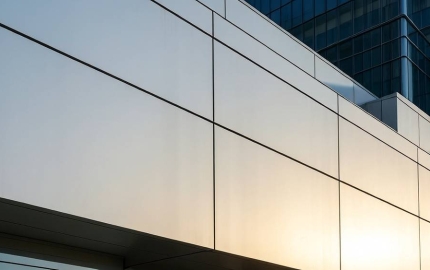
Aluminium Panel Sheet Thickness Impact on Facade Flatness and Fastener Capacity
Aluminium panel sheet thickness directly impacts bending stiffness, oil canning thresholds, fastener pull-through capacity, and installed cost for solid cladding systems. This analysis compares 2.0 mm, 2.5 mm, and 3.0 mm options against ASTM B209 and EN 485 standards.
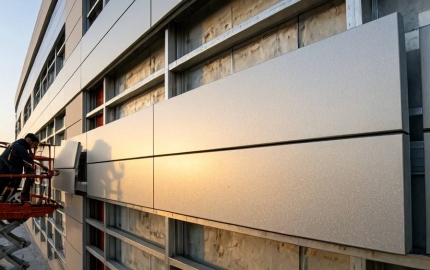
Aluminium Plastic Sheet Price Driven by 2.5 mm Solid Panel GCC Cost Factors
Aluminium plastic sheet price confusion costs projects 22-35% when ACP quotes get mistaken for solid panel pricing. Learn cost drivers, Q3 2026 benchmarks, and RFQ strategies.
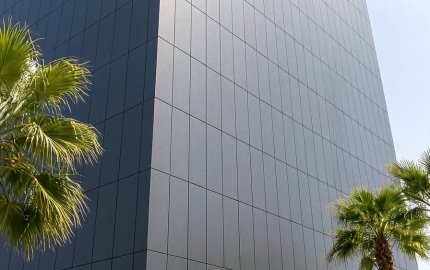
AAMA 2605 Powder Coated Aluminium Panels Why Resin Chemistry Decides Your Facade Lifespan
Powder coated aluminium panels face a critical specification gap when AAMA 2605 is cited without resin chemistry verification. Learn why FEVE fluoropolymer powders outperform polyester in UV and coastal exposure, how to verify applicator certification, and what a genuine 20-year warranty requires.
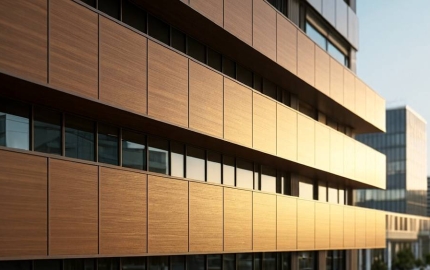
Wood Metal Cladding Installed Cost Breakdown for Solid Aluminium Cassette Facades in 2025
Wood metal cladding installed cost breakdown for solid aluminium cassette systems across three supply models: material-only, prefabricated, and unitized packages with real 2024-2025 pricing data.
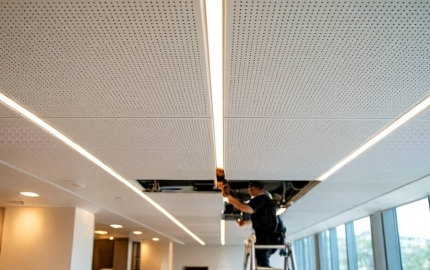
Aluminium Clip In Ceiling Bevel Edge Panels Conceal Flatness Flaws
Aluminium clip in ceiling edge geometry directly determines on-site flatness, acoustic consistency, and plenum access speed. This article compares bevel, square, hook-and-spring, and lock-and-key clip profiles with engineering data on tolerances, acoustic leakage, and fire assembly compliance.
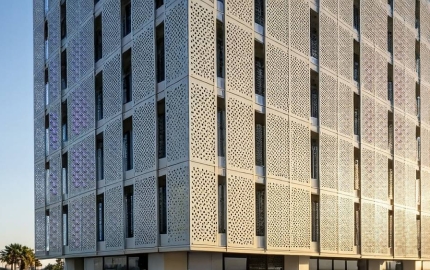
Why 1.5 mm Plat Perforated Aluminium Facade Panels Buckle Under Wind Suction
Plat perforated aluminium facade panels demand precise engineering of gauge, open area, and span. This article analyses perforation collapse failures, ligament stress concentration, and the gauge-open area-span triangle that governs 25-year facade performance.
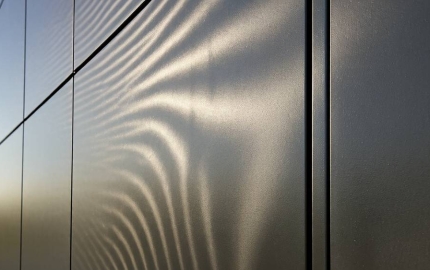
Solid Aluminium Wall Cladding Materials and the 200:1 Span Ratio That Stops Oil Canning
Solid aluminium wall cladding materials face oil canning when temper, stiffener bonding, and span ratios go unspecified. Learn the thickness thresholds, AAMA inspection criteria, and fabrication practices that prevent waviness on large-format facade panels.
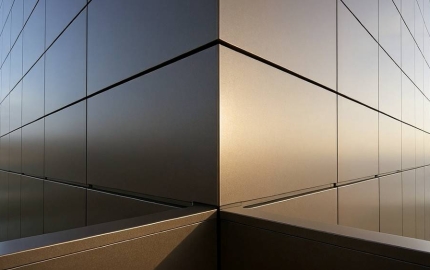
PVDF Versus FEVE Coating on Solid Aluminium Panels for Exterior
Panels for exterior cladding in marine environments demand a hard look at PVDF versus FEVE coating chemistry. This article compares fluoropolymer performance data, salt spray creep values, and 10-year Florida exposure results for 2.5 mm and 3.0 mm solid aluminium panels.
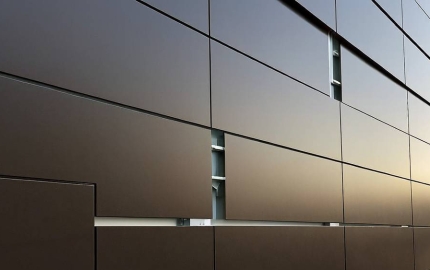
Why 600 mm Support Spacing Defines Flatness in 3 mm Outdoor Wall Sheets
Outdoor wall sheets in solid aluminium demand precise support spacing to avoid oil canning. This article breaks down the 600 mm span rule for 3.0 mm panels, deflection limits, and fabrication spec writing.
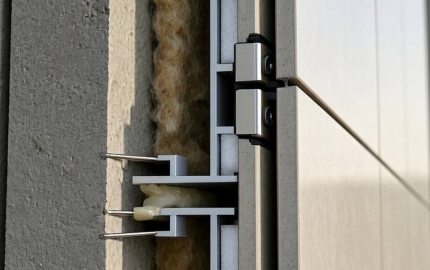
Porcelain Facade Cladding Bonded Versus Ventilated Technical Decision Framework
Porcelain facade cladding demands an early engineering choice between bonded and ventilated systems. This technical comparison covers dual anchorage mechanics, condensation risk, thermal bridging, substructure design and a cost-performance decision framework for facade specifiers.
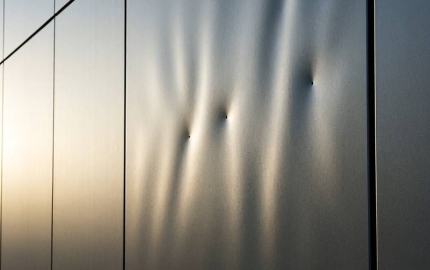
Why 3 0 mm Aluminium Wall Cladding Panels Still Show Oil Canning Under Raking Light
Aluminium wall cladding panels can develop oil canning defects that derail façade projects. Learn the metallurgical causes, span-to-thickness ratios, and specification language needed to prevent waviness before procurement.
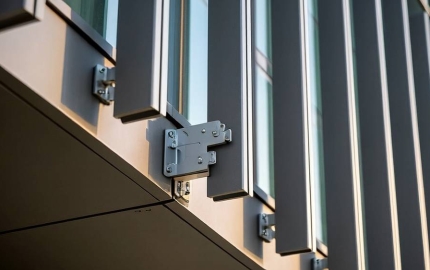
Vertical Aluminium Fins Why 6061 T6 Excels Over 6063 T5 at 6 Metre Spans
Vertical aluminium fins depend on bracket engineering for long-term performance. This article compares face-fixed cleats, thermally broken through-bolt systems, and slotted adjustable carriers with ASTM E330 data, cost analysis, and project case studies.
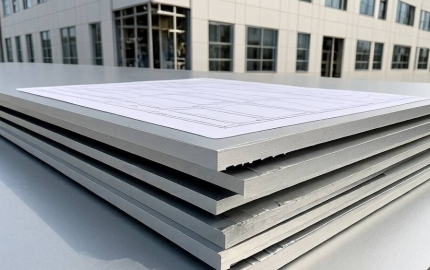
4x8 and 4x10 Wall Aluminium Sheet Sizes vs Custom Panels Cost and Waste Breakdown
Wall aluminium sheet standard sizes 4x8 and 4x10 versus custom-cut panels analysed for nesting waste, freight impact, and total installed cost on mid-rise commercial rainscreen façades.
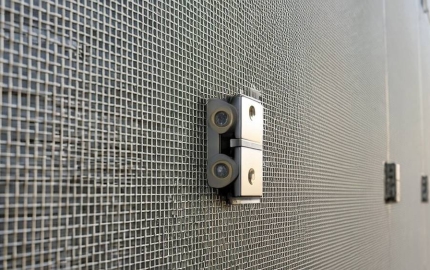
4 Metal Fabric Facade Attachment Systems Compared by Wind Load and Installed Cost
Metal fabric facade attachment systems determine long-term performance more than the mesh itself. Compare edge clamps, tension rods, jaw clamps, and cassette systems with cost data and wind load testing.