Double Sided Structural Tape Aluminum for Solid Cladding Engineering and Cost Data
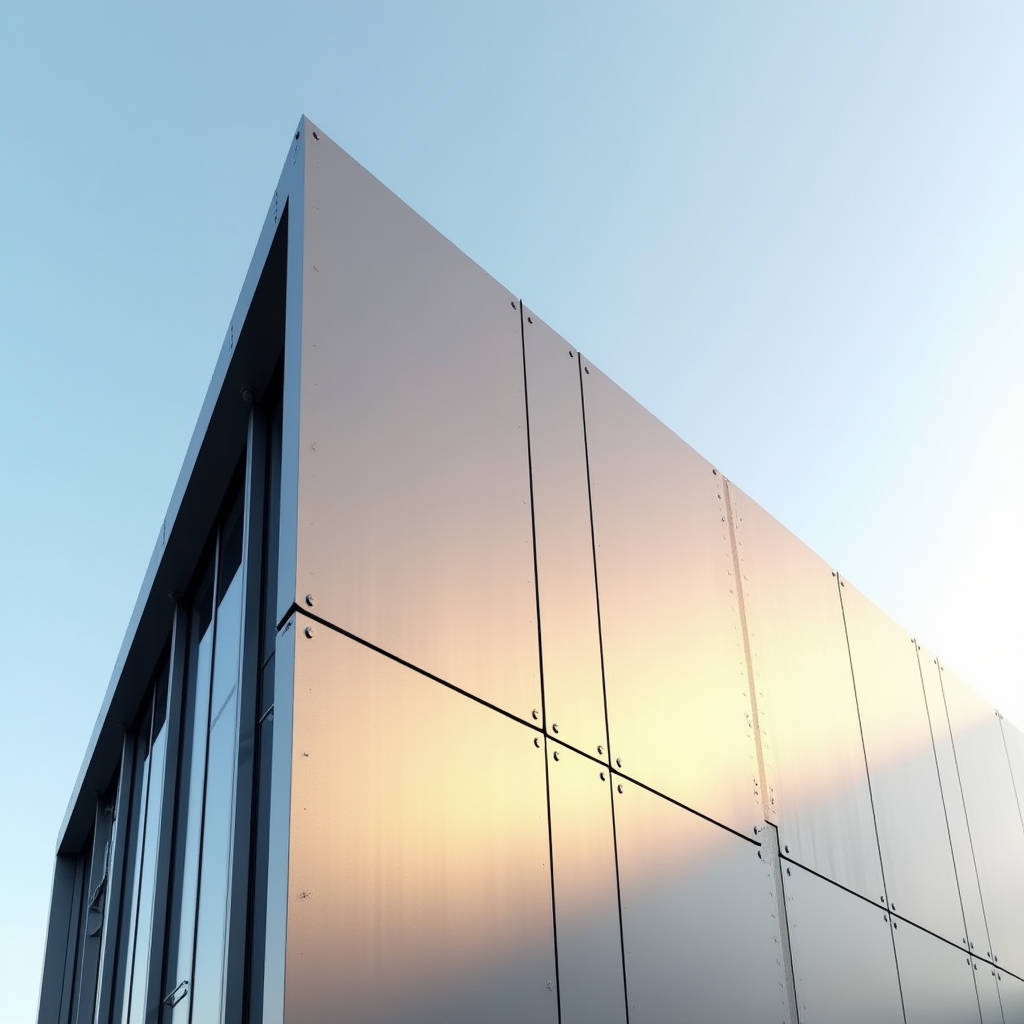
Specifying Double Sided Structural Tape Aluminum for solid aluminium cladding panels is not a shortcut around mechanical fastening. It is a legitimate, code-recognized bonding method that distributes wind load across the full panel surface, eliminates stress concentrations at screw points, and removes the thermal bridging that metal fasteners create. The decision hinges on three variables: adhesive chemistry, foam thickness, and surface preparation of the solid aluminium sheet. This article walks a curtain wall contractor through the engineering logic behind structural tape, the ASTM and AAMA criteria that govern its use, and the practical shop-floor steps that separate a bond that lasts thirty years from one that fails in the first thermal cycle.
Why Structural Tape Earns a Place on Solid Aluminium Panels
A solid aluminium cladding panel, whether 2.0 mm or 3.0 mm thick, carries its own dead load plus the imposed wind pressure acting on the building envelope. Mechanical fasteners transfer that load through discrete points, which forces the panel to bend between fasteners and concentrates stress at the hole edges. Structural tape distributes the same load continuously across the adhesive footprint. The result is lower peak stress, reduced panel flutter under negative wind pressure, and a cleaner exterior with no visible fixings.
Thermal performance improves as well. A stainless steel screw or rivet conducts heat directly through the insulation zone. A 90 mil acrylic foam tape, by contrast, has a thermal conductivity roughly two orders of magnitude lower than metal, so the thermal bridge is effectively removed. For a project pursuing LEED or Passive House certification, that difference shows up in the U-value calculation.
Adhesive Chemistry and the Aluminum Substrate
Not every double-sided tape belongs on a building exterior. The tapes that survive thirty years on a facade use a closed-cell acrylic foam carrier with a high-performance acrylic adhesive on both faces. The acrylic system resists UV degradation, moisture ingress, and the temperature swings that a facade experiences between a winter night and a summer afternoon. Rubber-based tapes soften and creep under sustained load, which is why they are absent from structural glazing specifications.
The aluminum substrate matters more than most contractors assume. Bare mill-finish aluminium develops a natural oxide layer that is actually an excellent bonding surface, provided the oxide is clean and dry. Painted aluminium, typical of PVDF-coated solid panels, needs the coating to be fully cured and free of mold release agents before the tape is applied. Powder-coated surfaces bond well too, but the powder formulation must be verified for adhesion compatibility with the acrylic adhesive.
Field data and independent testing consistently show that the weakest link in a structural tape joint is not the adhesive. It is the surface preparation. A clean, dry, properly primed substrate outperforms a stronger adhesive on a contaminated one every time.
Reading the Standards That Govern Structural Bonding
Three documents frame the engineering conversation around structural tape on aluminium. The first is ASTM E2505, which establishes the standard practice for evaluating the strength of structural adhesive bonds in exterior applications. The second is AAMA 800, the specification that covers sealant and adhesive applications in curtain wall systems. The third is the ISO 4587 lap-shear test method, which gives the design engineer a repeatable number for adhesive strength on a given substrate pair.
For a solid aluminium panel bonded to an aluminium frame, the design shear stress is typically held well below the ultimate lap-shear value reported by the tape manufacturer. A common engineering practice is to apply a safety factor of four to ten against the ultimate value, depending on the criticality of the application and the severity of the environmental exposure. This margin absorbs the reduction in strength that occurs at elevated service temperatures and after years of UV and moisture exposure.
Foam Thickness and the Thermal Expansion Question
Aluminium expands and contracts with temperature. A 3.0 mm solid panel spanning 1200 mm can move several millimetres across a seasonal temperature range. The foam layer in a structural tape is not merely a spacer. Its compressibility and viscoelastic recovery absorb differential movement between the panel and the supporting frame, preventing stress from building up at the adhesive interface.
Thinner tapes, in the 30 to 45 mil range, offer higher stiffness and are suited to rigid, well-supported substrates where movement is minimal. Thicker tapes, from 60 to 90 mil, provide more strain accommodation and better vibration damping, which is valuable on tall towers where wind-induced flutter is a real concern. The trade-off is that thicker foam reduces the shear stiffness of the joint, so the design engineer must balance movement accommodation against load transfer.
For most solid aluminium cladding applications, a 60 mil structural tape represents a sensible middle ground. It provides enough compliance for thermal movement while still delivering predictable shear performance. The 90 mil grade is specified where vibration or differential movement is severe, such as on high-rise corner panels or large-format cladding.
Surface Preparation Protocol That Actually Works
Every structural tape manufacturer publishes a surface preparation standard, and the field failures almost always trace back to a deviation from it. The protocol for solid aluminium panels is straightforward but unforgiving.
- Degrease the aluminium surface with a solvent wipe to remove oils, fingerprints, and machining lubricants.
- Abrade the surface with a fine Scotch-Brite pad or a mild abrasive to break up the oxide layer and increase surface area. Light mechanical abrasion measurably improves bond strength on mill-finish aluminium.
- Wipe again with a clean solvent-soaked cloth to remove the loose debris left by abrasion.
- Apply the manufacturer's recommended primer to both bonding surfaces and allow the solvent to flash off completely.
- Apply the tape within the open time window specified by the manufacturer, usually within ten to fifteen minutes of priming.
- Apply firm, even pressure across the full tape width using a roller. Pressure activates the adhesive and forces out entrapped air.
Ambient conditions matter. Most acrylic structural tapes require a minimum application temperature, typically around 10 degrees Celsius, and the surfaces must be dry. Condensation on a cold aluminium panel in the morning is a common reason for premature bond failure, so scheduling the bonding operation for the warmest part of the day is a practical shop-floor habit.
Engineering Data for the Design Table
The table below summarizes the practical design parameters a curtain wall engineer should carry into a structural tape specification for solid aluminium cladding. Values are representative of high-performance acrylic structural tapes and should be confirmed against the specific product data sheet.
| Parameter | Typical Value | Design Consideration |
|---|---|---|
| Aluminium panel thickness | 2.0 / 2.5 / 3.0 mm | Thicker panels reduce flutter and improve flatness |
| PVDF coating film thickness | 25 to 30 microns | Fully cured before bonding; verify adhesion |
| Structural tape thickness | 45 to 90 mil | Thicker foam = more movement accommodation |
| Lap shear strength on aluminium | 600 to 900 kPa | Apply safety factor of 4 to 10 in design |
| Service temperature range | -40 to +90 degrees C | Confirm against local climate extremes |
| UV and moisture resistance | Acrylic system, 30 year target | Acrylic outperforms rubber under exposure |
| Minimum application temperature | 10 degrees C | Keep surfaces dry and above minimum |
These numbers are starting points, not substitutes for project-specific testing. When a facade is load-bearing or the panel spans are large, a mock-up test with the actual panel, frame, and tape combination is the responsible path. The cost of a mock-up is trivial compared with the cost of a failed bond on a completed tower.
Installation Cost and Labour Comparison
For a procurement manager, the economic case for structural tape is compelling. Mechanical fastening of a solid aluminium panel requires drilling, countersinking, and the labour of installing and sealing each fastener. Structural tape eliminates the drilling step entirely and replaces it with a single rolling pass. On a large facade with thousands of panels, the labour saving is substantial, and the elimination of visible fasteners removes an entire class of sealant maintenance work.
The tape itself carries a higher material cost per linear metre than a box of screws, but the total installed cost usually favours tape once labour, sealant, and fastener hardware are tabulated. The hidden saving is in the sealant line. Every screw head is a potential leak point that must be sealed and periodically inspected. A tape-bonded joint has no fasteners to seal, so the waterproofing line is shorter and more predictable.
When a project needs a reliable supply of consistent structural tape and solid aluminium panels, a supplier such as Futeng® can coordinate both the mill-finish or PVDF-coated sheet and the compatible bonding system, reducing the risk of a mismatch between substrate and adhesive.
Common Failure Modes and How to Avoid Them
The most frequent cause of a structural tape failure is not the tape. It is the substrate. A panel delivered with a protective film residue, a fingerprint, or a coating that was not fully cured will fail at the adhesive-substrate interface even though the adhesive itself is intact. The second most common cause is application below the minimum temperature, which prevents the adhesive from flowing into the surface texture and achieving full contact.
The third cause is creep under sustained load at elevated temperature. A facade facing direct afternoon sun can push the bond line well above the ambient air temperature. If the design shear stress is too high relative to the elevated-temperature strength of the adhesive, the joint will slowly creep. This is why the safety factor in the design table matters, and why the service temperature range must be checked against the local climate rather than assumed.
A fourth, less obvious failure mode is galvanic or electrolytic corrosion at the bond line when the tape is used with dissimilar metals. Structural tape is electrically insulating, which actually helps break the galvanic circuit, but the joint edges must still be sealed to prevent moisture from wicking into the interface. A proper perimeter sealant, compatible with the acrylic adhesive, closes that path.
Specifying the Tape for a Real Project
When writing a specification for Double Sided Structural Tape Aluminum bonding on a solid aluminium cladding project, the responsible document includes the tape thickness, the adhesive chemistry, the required lap-shear value, the surface preparation standard, and the application temperature range. It should also name the acceptance test, typically a field pull-off test or a laboratory lap-shear test on the actual panel and frame combination.
The specification should not leave the bonding process to the discretion of the installer. A written procedure, verified by a mock-up approved by the design engineer, turns a promising adhesive into a reliable building envelope. That discipline, more than any single product choice, is what separates a structural tape facade that performs for decades from one that becomes a warranty claim.
For architects and contractors weighing Double Sided Structural Tape Aluminum against mechanical fastening, the engineering case is clear. The tape delivers continuous load transfer, eliminates thermal bridges, removes visible fixings, and simplifies the waterproofing line. The cost case is equally clear once labour and sealant are counted. The only variable that remains in the contractor's control is discipline on the shop floor, and that is where the difference between success and failure is decided.