Weatherproof Silicone Aluminum Joint Engineering for Solid Aluminium Cladding Facades
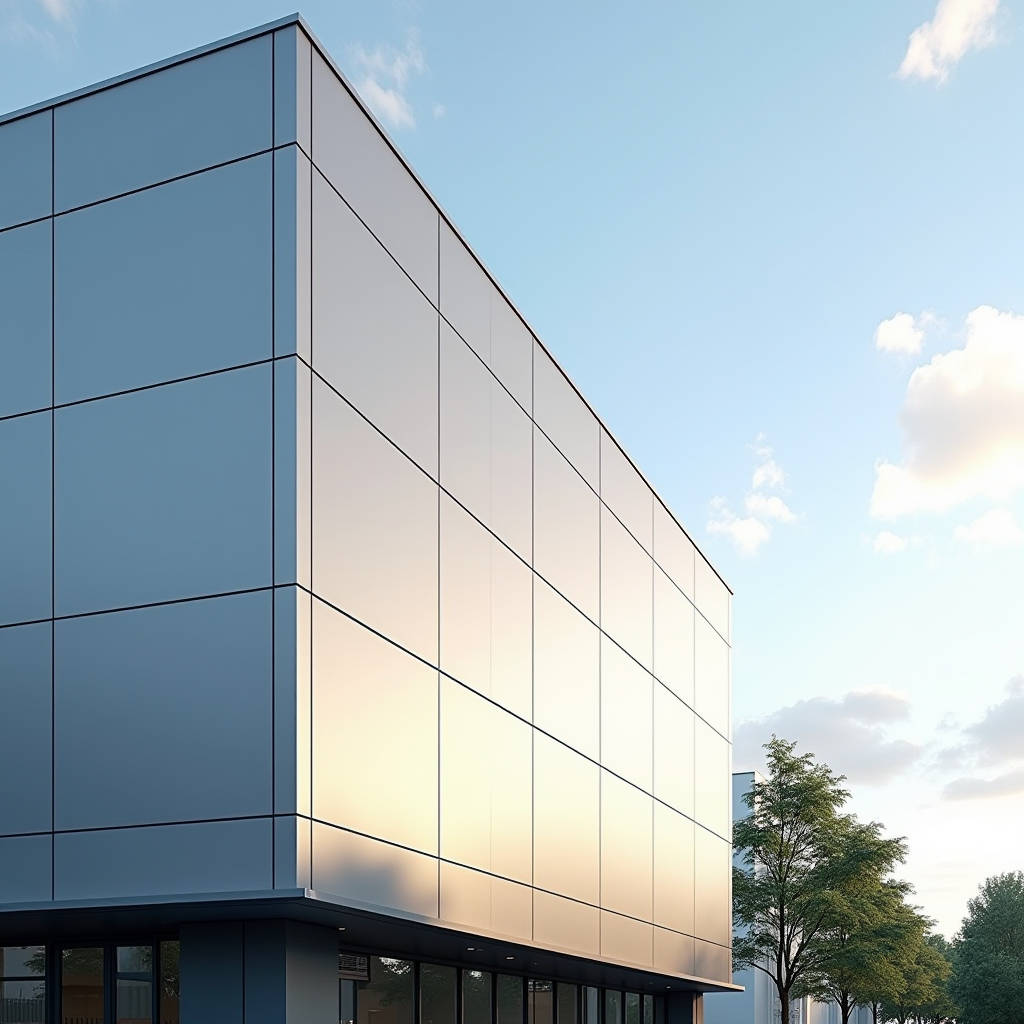
A Weatherproof Silicone Aluminum Joint is the decisive boundary between a solid aluminium cladding panel system that performs for decades and one that fails within a single freeze-thaw cycle. For contractors and procurement teams specifying solid aluminium sheets, the silicone joint is not a cosmetic afterthought; it is a structural and hygrothermal control element carrying wind load, thermal movement, and moisture exclusion simultaneously. The market conversation around "best caulk for aluminum" misses the point: a generic silicone from a hardware shelf cannot serve a 2.0 mm or 3.0 mm solid aluminium rainscreen. This article addresses the engineering discipline behind a Weatherproof Silicone Aluminum Joint, the specification parameters that separate a durable joint from a liability, and the procurement logic that protects your project budget and warranty exposure.
Why a Weatherproof Silicone Aluminum Joint Is a Structural Component
Solid aluminium cladding panels differ fundamentally from composite alternatives in their thermal expansion behaviour. A 3.0 mm solid aluminium sheet expands and contracts at roughly 23.5 × 10⁻⁶ per degree Celsius. On a 4-metre panel, a 60°C surface temperature swing produces more than 5.6 mm of movement. That movement must be absorbed entirely by the joint. A Weatherproof Silicone Aluminum Joint designed without this allowance will tear, delaminate, or pump water into the cavity behind the panel.
Two functions are fused in the joint. First, it seals the envelope against wind-driven rain and air infiltration. Second, it transfers lateral wind load from the panel to the supporting frame. Both functions depend on the same material properties: tensile adhesion, modulus, and elongation at break. A low-modulus silicone rated for ±50% joint movement, as referenced in standard weatherproofing practice, is the baseline for solid aluminium cladding. Anything stiffer transfers excess stress into the panel edge and the substrate, accelerating fatigue at the very points where water ingress begins.
Specifying the Correct Silicone Chemistry
Not every silicone is acceptable for a Weatherproof Silicone Aluminum Joint. The chemistry must be neutral-curing, not acetoxy-curing. An acetoxy (acidic) cure releases acetic acid during polymerisation, which attacks the anodic oxide layer and the PVDF coating on solid aluminium panels. The corrosion that follows is invisible during installation and appears as pitting and edge staining within the first two years. Neutral-curing, one-part silicones cure without releasing corrosive by-products and are the only responsible choice for aluminium.
Beyond cure chemistry, the modulus class matters. Medium-modulus silicones balance load transfer with movement accommodation and are the standard for structural glazing and weatherseal applications. High-modulus products are tempting for their fast cure but transfer unacceptable stress to the panel edge. Low-modulus products move comfortably but may not carry the wind load required for tall facades. The correct selection is a function of your specific panel size, wind zone, and frame stiffness, not a generic preference.
Adhesion and Primer Requirements
Adhesion to solid aluminium is not automatic. The PVDF coating and the anodised surface are low-energy substrates that resist bonding. A Weatherproof Silicone Aluminum Joint specification must include a documented adhesion test on the actual production batch of coated panels, not on a lab coupon. Field adhesion testing per ASTM C794 and ASTM C1523 is the only way to confirm that the primer, if required, and the silicone are compatible with your specific coating lot. Many facade failures trace back to a change in the PVDF batch that invalidated the original adhesion certificate.
Joint Geometry and Dimensional Design
The geometry of a Weatherproof Silicone Aluminum Joint is governed by the ratio of joint width to joint depth. For a joint designed to move ±25% of its width, the depth should be roughly half the width. A 12 mm wide joint therefore needs a backer rod and bond-breaker arranged so the silicone depth is about 6 mm. Deeper joints waste material and increase the risk of cohesive failure, because the silicone cannot cure fully in the centre and develops internal stress under movement.
Two-sided adhesion is a common and fatal error. Silicone must bond to the two panel edges but not to the backer rod or the cavity floor. A closed-cell polyethylene backer rod with a bond-breaker tape prevents three-sided adhesion, which converts a designed movement joint into a rigid, failing connection. The backer rod also controls the depth of the silicone and prevents the sealant from flowing into the cavity where it cannot be inspected.
Movement Capacity and Service Life
Service life is the procurement metric that matters most. A Weatherproof Silicone Aluminum Joint specified for a 20-year design life must be verified against the actual movement regime, not a nominal rating. The movement capability of a silicone is expressed as a percentage of joint width, and the standard rating system grades joints from class 12.5 to class 50. For solid aluminium cladding in a temperate climate, a class 25 joint is a minimum; coastal and high-solar-gain zones justify class 50.
Accelerated weathering data from the manufacturer should be cross-checked against the expected UV exposure of your facade orientation. South-facing joints in high-altitude or equatorial sites receive UV doses that degrade polymer chains faster than the standard 5,000-hour xenon test represents. The silicone's surface, not its bulk, fails first under UV, so the specification should include a surface-cracking criterion, not just a tensile retention figure.
Installation Discipline and Quality Control
The best silicone fails in the hands of an unprepared applicator. A Weatherproof Silicone Aluminum Joint requires clean, dry, frost-free surfaces. The joint faces must be wiped with a solvent that removes the mill oil and release agents left by the PVDF coating process, then primed if the adhesion test requires it. Tooling the joint immediately after application, while the silicone is still wet, forces the sealant into the substrate and removes trapped air that would otherwise become a water path.
Quality control is a three-stage process. Before installation, verify the batch numbers of the panels, primer, and silicone, and confirm the adhesion test certificate matches those exact batches. During installation, measure the joint width and depth at regular intervals and check the backer rod placement. After cure, perform a field pull test on sacrificial joints and inspect for voids, bubbles, and tooling defects. A documented QC log is your defence in a warranty dispute and the difference between a professional facade and a leaky one.
Comparative Performance of Sealant Families for Solid Aluminium
| Property | Neutral Silicone | Acetoxy Silicone | Polyurethane | Hybrid MS Polymer |
|---|---|---|---|---|
| Adhesion to PVDF-coated aluminium | Excellent with primer | Poor, corrosive to coating | Good with primer | Good with primer |
| Typical movement capacity | ±25% to ±50% | ±20% to ±25% | ±15% to ±25% | ±20% to ±35% |
| UV resistance | Excellent | Good | Poor, surface chalking | Good |
| Temperature range | -50°C to +150°C | -50°C to +150°C | -30°C to +90°C | -40°C to +120°C |
| Corrosion risk to aluminium | None | High (acid cure) | Low | Low |
| Paintability | Poor | Poor | Good | Good |
| Typical service life in facade | 20+ years | 10-15 years | 10-15 years | 15-20 years |
The table makes the engineering case clear. For a Weatherproof Silicone Aluminum Joint on solid aluminium cladding, the neutral-curing silicone is the only family that delivers the movement capacity, UV resistance, and non-corrosive cure chemistry required for a 20-year envelope. Polyurethane and hybrid polymers are workable in sheltered, painted contexts, but they cannot match silicone's UV stability on a sun-exposed facade.
Procurement and Cost Considerations
Procurement teams evaluating a Weatherproof Silicone Aluminum Joint must look beyond the per-tube price. The true cost is the installed joint over its service life, including re-caulking intervals, access equipment, and the cost of a water ingress claim. A low-cost polyurethane that fails in year eight requires a full re-seal at scaffold cost that dwarfs the material saving. Conversely, a premium neutral silicone with a documented 25-year weathering claim, such as those offered by established manufacturers, is the lower total-cost option for a building owner who intends to hold the asset.
Supply chain reliability is a second procurement factor. Silicone sealants have shelf lives measured in months, and a project that sits on site for a year will degrade the product before installation. Order silicone in batches matched to your installation schedule, not in one bulk delivery at project start. Verify the batch's manufacture date and storage conditions at the point of delivery, and reject any tube that has exceeded its shelf life or shows signs of separation.
Standards and Compliance Framework
A defensible Weatherproof Silicone Aluminum Joint specification is anchored in recognised standards. The movement classification and testing regime follow the ISO 11600 series for building construction jointing products, which grades sealants by movement capability and classifies them for use in glazing and panelling. Adhesion and cohesion testing follows ASTM C794 (peel adhesion) and ASTM C1523 (thermal compatibility). For structural applications where the joint carries wind load, the AAMA 800 series and the European ETAG 002 framework provide the design methodology for calculating the required joint width from the design wind pressure and the sealant's design stress.
These standards are not bureaucratic decoration. They give the design engineer a defensible basis for the joint width, the sealant grade, and the acceptance criteria. A specification that cites ISO 11600 class 25 and ASTM C794 adhesion values is enforceable; a specification that says "use a good silicone" is not. When disputes arise, the standard is the referee.
Design Coordination with the Panel System
The Weatherproof Silicone Aluminum Joint does not exist in isolation. It coordinates with the panel edge return, the drainage weepholes, and the cavity ventilation strategy. A rainscreen system with a drained and ventilated cavity relies on the joint to be the primary weather barrier, but the cavity behind it must still be allowed to drain any incidental moisture. Blocking the weepholes with silicone overspill converts a designed drainage path into a water trap. The joint specification must include a clear instruction to keep sealant out of the drainage and ventilation openings.
Thermal movement coordination also extends to the frame. If the aluminium sub-frame expands and contracts at a different rate from the panel, the differential movement is added to the joint's design movement. The joint width must be calculated from the sum of panel movement, frame movement, and any building structural movement, not from the panel alone. An engineer who ignores frame movement will specify a joint that is too narrow and will fail within the first year.
Field Verification and Long-Term Monitoring
Even a correctly specified and installed Weatherproof Silicone Aluminum Joint requires monitoring. Facade inspections at years one, five, and ten should check for surface cracking, loss of adhesion at the edges, and any change in the joint profile. Early signs of surface crazing indicate UV degradation that will eventually allow water ingress, and a re-coat or re-seal programme can be scheduled before the failure becomes a leak. Photographic documentation at each inspection creates a service history that supports both warranty claims and future maintenance planning.
For large or high-rise projects, consider a small sacrificial sample of joints installed in an accessible location, identical in material and geometry to the facade joints. These samples can be pulled and tested annually without disturbing the live facade, providing quantitative adhesion data that mirrors the in-service condition. This low-cost practice turns a speculative maintenance schedule into an evidence-based one.
Closing Engineering Guidance
The Weatherproof Silicone Aluminum Joint is a discipline, not a product purchase. Specify a neutral-curing, medium-modulus silicone with a documented movement class appropriate to your wind zone and panel size. Verify adhesion on the actual coated panel batch, control joint geometry with backer rod and bond-breaker, and enforce a three-stage QC protocol. Anchor the specification in ISO 11600 and ASTM test methods, and coordinate the joint with the drainage and frame movement. When your project demands a reliable supply of solid aluminium cladding panels and the engineering support to detail their joints correctly, Futeng® has the production capacity and specification guidance to back a 20-year envelope. The cost of getting the joint right is small; the cost of getting it wrong is a facade that leaks, corrodes, and fails its warranty before the building is fully occupied.