How Qualanod Certification Verifies Solid Anodized Aluminium Panel Performance
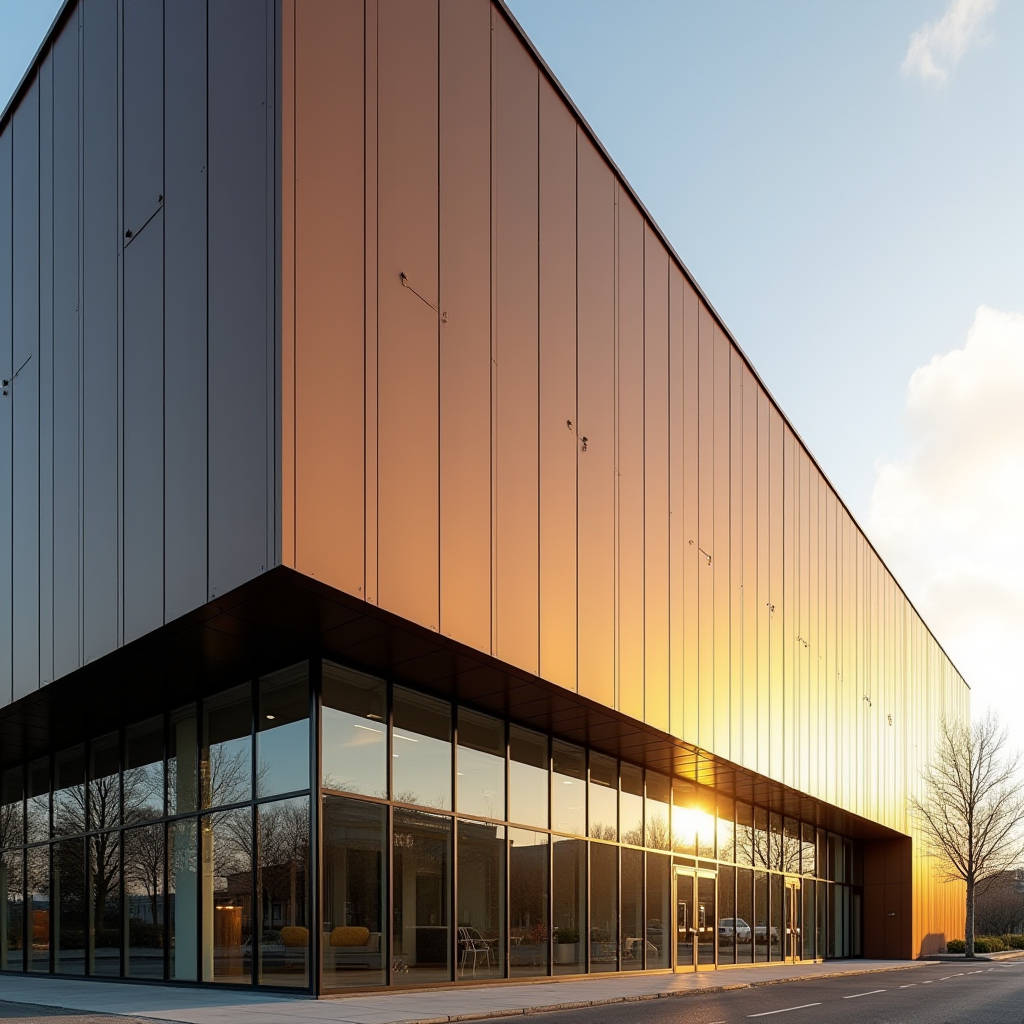
For any curtain wall contractor or facade engineer specifying exterior metal, the Qualanod Certified Aluminum Panel is increasingly the deciding factor between a facade that weathers two decades and one that fails inside five years. Qualanod, the quality label organization founded in 1974 by EURAS and EWAA, licenses anodizing plants that must meet strict process and product requirements for sulphuric acid-based anodizing. This article walks through what the label actually verifies, how it changes procurement decisions for solid aluminium cladding panels, and where the certification falls short so you can specify with precision.
What Qualanod Certification Actually Verifies
Qualanod is not a coating brand or a paint warranty. It is a third-party quality label that audits the entire anodizing line. The current Specifications for the Qualanod Quality Label for Sulfuric Acid-Based Anodizing of Aluminium, Edition 01.07.2026, and the General Regulations I-VIII, Version 11, define measurable thresholds for seal quality, oxide thickness, colour consistency, and corrosion resistance. A licensed plant submits to regular unannounced inspections and independent laboratory testing organized through bodies such as the IFO Institute for Surface Technology. When you see the label on a panel, it means the line that produced it passed those audits, not merely that the mill claimed a finish.
Process control versus spot testing
Many anodizers test a batch and ship. Qualanod licensing goes further by auditing the process itself: bath chemistry, temperature control, sealing parameters, and racking density all feed into the final oxide layer. For a solid aluminium cladding panel, this matters because the anodic film is the entire corrosion barrier. A 2.0 mm or 2.5 mm solid sheet with a weak or porous oxide layer will blister and dull long before the building warranty expires. The process audit is what separates a certified panel from a generic mill finish.
Why the Finish Matters More Than the Alloy
Architects often specify 6061-T6 or 5005-H34 alloy and assume the rest follows. For anodized solid aluminium cladding panels, the finish is the performance layer. The anodic oxide film, typically 15 to 25 microns for architectural exterior use, is grown from the aluminium itself, so it cannot delaminate the way a PVDF paint film can. That structural continuity is why Qualanod-certified anodized panels are specified for coastal projects, transit hubs, and high-traffic facades where a scratched paint line becomes a corrosion site.
Seal quality is the hidden variable
The most common anodizing failure is not thin oxide but poor sealing. If the porous oxide layer is not properly sealed, moisture and chlorides penetrate and attack the substrate. Qualanod specifications include a seal quality test, typically the acid dissolution or dye spot method, enforced at the licensed plant. When you procure a Qualanod Certified Aluminum Panel for a marine environment, you are buying verified seal quality, not just a pretty surface.
Comparing Anodized and PVDF-Coated Solid Panels
Solid aluminium cladding panels are available in two dominant exterior finishes: anodized and PVDF (polyvinylidene fluoride) coated. Each has a different cost and maintenance profile. The table below summarizes the engineering parameters a specifier should weigh.
| Parameter | Qualanod Anodized Panel | PVDF-Coated Panel (2-coat/3-coat) |
|---|---|---|
| Film thickness | 15–25 microns oxide | 25–35 microns total paint |
| Adhesion mechanism | Grown from substrate | Bonded to surface |
| Colour range | Architectural bronze, black, champagne, silver | Full RAL and custom colours |
| UV colour stability | Excellent, no chalking | Good; some fading in dark colours |
| Scratch resistance | High, hard oxide | Moderate, paint scratches expose metal |
| Corrosion in coastal air | Excellent with verified seal | Good if edge cut is protected |
| Typical cost per m² (2.5mm panel) | Higher initial | Lower initial |
| Maintenance | Low, no repaint | Periodic cleaning, touch-up |
| Fire rating | A1 non-combustible | A2/A1 depending on coating |
Both finishes are valid for solid aluminium cladding panels. The decision usually comes down to colour flexibility versus long-term surface integrity. An anodized panel cannot match the colour range of PVDF, but it offers a metallic depth and a harder surface that many architects prefer for prestige facades.
Procurement and Specification Guidance
When you write a specification for a Qualanod Certified Aluminum Panel, do not stop at the label. Confirm the oxide thickness class, the sealing method, and the alloy temper. Ask the supplier for the Qualanod licence number and the latest inspection report. A reputable fabricator such as Futeng® routinely supplies certified solid aluminium cladding panels and can provide the mill certificates and licence documentation that a contractor needs for submittals.
Red flags to watch
- A supplier who cannot name their Qualanod licensee number or the edition of the specification they follow.
- Anodized panels sold with a paint warranty, which suggests the vendor does not understand the finish.
- Oxide thickness stated only as a range without a minimum class per ISO 7599.
- No documentation of seal quality testing on the production line.
Standards and References
Specifiers should anchor the certification in the relevant international standards. ISO 7599 specifies methods for specifying anodic oxidation coatings on aluminium. ISO 3210 covers assessment of sealing quality. The AAMA 611 standard addresses anodized architectural aluminium, while ASTM B244 covers measurement of coating thickness. The Qualanod specifications themselves, available from the Qualanod organization, remain the governing document for the label. For panel fabrication, EN 485 defines tolerances for rolled aluminium sheet, and EN 1396 covers coil-coated sheet where PVDF is used.
Independent quality checks for the label are coordinated through the IFO Institute for Surface Technology, which conducts the round-robin testing that keeps licensed plants honest. Contractors can reference these bodies when validating a supplier's claim.
Cost Engineering for a Typical Facade
For a 10,000 m² curtain wall using 2.5 mm solid aluminium cladding panels, the finish choice shifts the budget meaningfully. Assume a base anodized panel price of roughly USD 65–85 per m² delivered, versus USD 55–75 per m² for a three-coat PVDF panel. The anodized premium of about USD 10 per m² on a 10,000 m² project adds roughly USD 100,000 to the material line. Against that, factor the maintenance saving: an anodized facade typically needs only periodic washing, while a PVDF facade in a harsh coastal environment may require touch-up and recoating cycles within 15 years. Over a 25-year service life, the anodized panel often wins on total cost of ownership despite the higher first cost.
Final Engineering Recommendation
For exterior solid aluminium cladding panels in coastal, industrial, or high-traffic environments, specify a Qualanod Certified Aluminum Panel with a verified oxide thickness of at least 20 microns and documented seal quality. Reserve PVDF for projects where a wide colour range is non-negotiable. On every project, demand the licence documentation and the latest inspection certificate before approving submittals. The label is a process guarantee, and a process guarantee is only as good as the paper trail behind it. Verify, then build.