Radar Transparent Aluminum Screen Engineering for 77 GHz Facade Zones
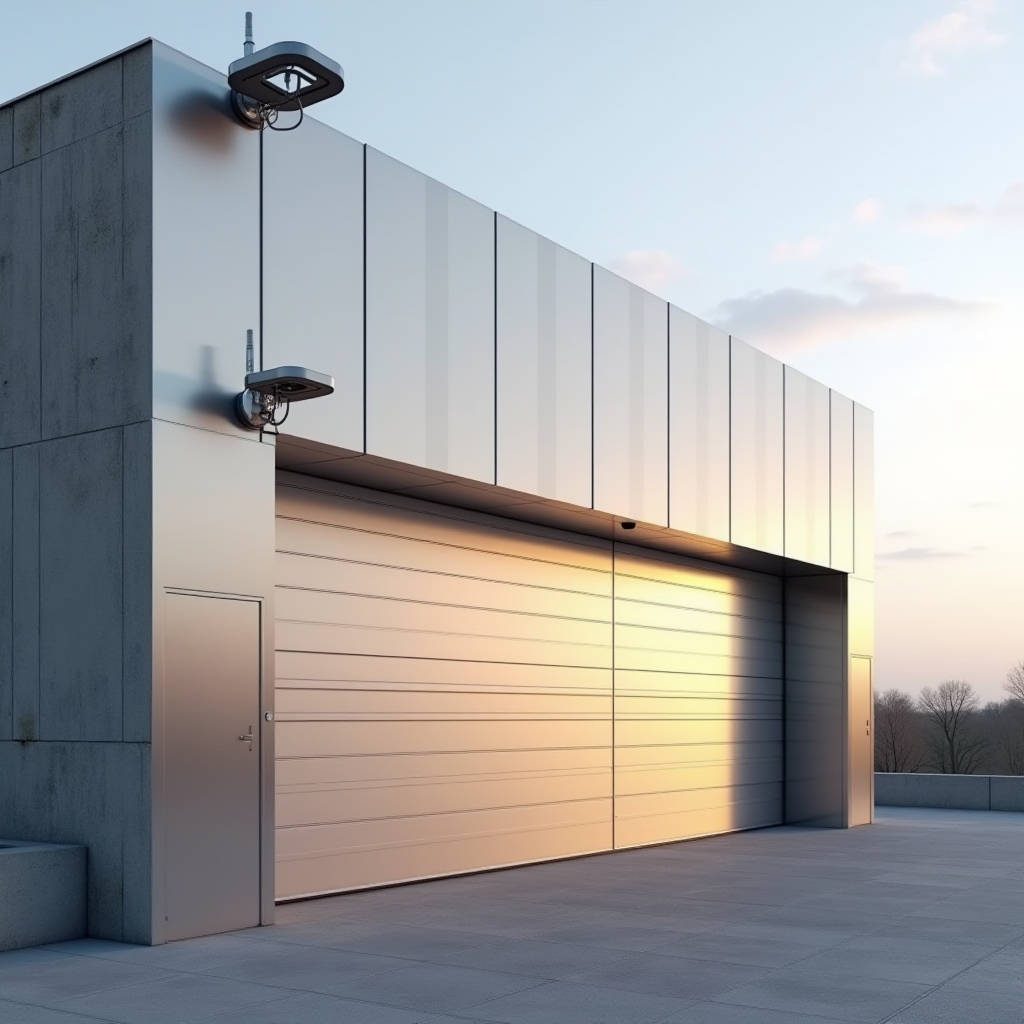
Radar Transparent Aluminum Screen is no longer a laboratory curiosity. The 77 GHz automotive radar band, the 24.1 GHz traffic enforcement band, and the 10 GHz weather radar band all demand building envelopes that neither absorb nor reflect the signals passing through them. For facade contractors and procurement teams, the practical question is how to keep the architectural weight of solid aluminum cladding while letting radar energy travel cleanly. The answer sits in the coating stack, the alloy choice, and the panel geometry, not in abandoning metal altogether. This article walks through the physics, the coating chemistry, and the installation math that make a radar-friendly solid aluminum panel a buildable, specifiable product.
Why Solid Aluminum Can Be Radar Transparent
Radar transparency is a function of electrical permittivity, loss tangent, and thickness relative to wavelength. A solid aluminum sheet is a conductor, so a bare panel reflects nearly all incident radar energy. The trick used across the ECKART and Merck pigment literature is to keep the aluminum from forming a continuous conductive plane. Radar transparent aluminum screen systems achieve this by relying on the coating layer as the dielectric window and by engineering the panel so that the metal's contribution to the electromagnetic path is minimized. At 77 GHz the wavelength is roughly 3.9 mm, so a 2.0 mm panel is a meaningful fraction of that wavelength, which changes how the interface behaves compared with low-frequency radar.
The industry has two workable routes. The first is a thin, non-continuous aluminum effect pigment suspended in a dielectric binder, which is what the automotive paint makers use for radar-transparent silver. The second is a solid sheet with a carefully controlled surface finish and a thick, low-loss PVDF topcoat that acts as the primary radome layer. For cladding, the second route matters more, because the panel must also carry wind load, thermal movement, and fire performance.
Coating Chemistry That Preserves Signal
Traditional metallic silver and chrome finishes use flake aluminum pigments that create a conductive mesh. At 77 GHz that mesh turns the facade into a mirror. The solution is encapsulated aluminum effect pigments, where each flake is coated with a silica or polymer layer that breaks electrical continuity. The patent literature, including WO2020208134A1, describes exactly this platelet arrangement combined with silvery pearlescent pigments on a transparent substrate. The result is a bright metallic appearance with a loss tangent low enough to keep insertion loss under acceptable thresholds.
For a solid cladding panel, the practical specification is a two-coat or three-coat PVDF system with a non-metallic silver or a low-metal-content finish. The table below compares the electromagnetic and durability trade-offs across common facade finishes.
| Finish System | Metal Content | Insertion Loss at 77 GHz | Weathering (AAMA 2605) | Typical Use |
|---|---|---|---|---|
| Standard silver metallic PVDF | High flake load | 6-9 dB | Good | Non-radar zones |
| Encapsulated aluminum pigment PVDF | Low, isolated flakes | 1-2 dB | Excellent | Radar transparent screen |
| Pearlescent mica over PVDF | None | 0.3-0.8 dB | Excellent | Radar transparent screen |
| Clear anodized (bare alloy) | Continuous metal | >15 dB | Good | Not radar suitable |
Insertion loss figures above are engineering estimates for a 2.0 mm panel with a 25-30 micron total dry film thickness, and they should be verified with a vector network analyzer at the project frequency. The key takeaway is that a clear anodized panel is unusable for radar zones, while a properly formulated encapsulated pigment system stays within the 1-2 dB budget that most automotive and traffic radar manufacturers allow.
Alloy and Thickness Selection
Alloy grade matters less than surface continuity, but it still influences cost and formability. Alloy 6061, referenced in the traffic blank literature, offers good flatness and machinability for cut-to-size panels. For large facade panels, 5005 or 3003 alloys are more common because they bend and weld cleanly. The radar performance difference between these alloys is negligible once the coating isolates the surface, so procurement should optimize for structural duty and price.
Thickness follows wind load and deflection limits rather than radar requirements. A 2.0 mm panel works for most curtain wall infill up to about 1.2 m span. At 2.5 mm and 3.0 mm, the added stiffness handles larger spans and higher wind zones. Radar transparency does not degrade meaningfully with thickness because the coating, not the metal, is the dielectric window. That frees the structural engineer to size the panel for the load case, not the antenna.
Installation and Joint Design
The radar transparent aluminum screen only performs if the installation keeps the signal path clean. Two mistakes kill performance on site. First, continuous metal back-pans or steel sub-frames behind the panel create a reflecting ground plane. Second, conductive gaskets and aluminum tape across joints short the isolated flakes together. The fix is to specify dielectric backer insulation, non-metallic gaskets, and to keep the joint gap consistent so the panel behaves as a single dielectric sheet.
For facade zones that sit in front of a radar emitter, such as a parking garage entry with a vehicle detection antenna or a building housing a weather station, the panel should be mounted with a standoff that leaves an air gap. Air has a permittivity of one, so a 20-30 mm air cavity between the panel and the structural backup reduces reflection further. This detail is cheap to add and dramatically improves signal reliability.
Testing and Verification
Do not rely on the pigment supplier's data sheet alone. The AAMA 2605 weathering standard covers the coating durability, but it says nothing about electromagnetic performance. The correct verification is a free-space measurement at the operating frequency using a pair of horn antennas and a network analyzer, following the general approach outlined in the radar gun weatherproofing experiments that use a 24.1 GHz Doppler source. Ask your panel supplier for a measured insertion loss and phase delay report at 24.1 GHz, 77 GHz, and 10 GHz before you commit to a large order.
Cost and Supply Chain Realities
Encapsulated aluminum pigments cost more than standard metallic flakes, and the added coating steps push panel pricing up roughly 8-15 percent over a standard PVDF finish. The premium is justified only where radar function is a hard requirement. For mixed facades, the smart move is to zone the building: use the radar transparent screen only on the panels that sit in the antenna's field of view, and use standard finishes elsewhere. That zoning keeps the budget under control while protecting signal integrity.
Lead times also stretch because the specialty coating line is less common. A supplier like Futeng® that runs dedicated PVDF lines with encapsulated pigment capability can hold more predictable delivery schedules for radar-grade panels, which matters when the facade is on the critical path. Confirm the coating batch traceability and request a per-batch radar test certificate.
Practical Specification Checklist
- Specify a 2.0, 2.5, or 3.0 mm solid aluminum panel with a PVDF topcoat using encapsulated or non-metallic pigments.
- Require a measured insertion loss report at the project radar frequency, not just a supplier claim.
- Keep a 20-30 mm dielectric air cavity behind radar-zone panels.
- Use non-metallic gaskets and dielectric backer insulation in radar zones.
- Zone the facade so only the panels in the antenna field of view carry the premium finish.
- Verify coating film thickness against AAMA 2605 and confirm batch traceability.
Conclusion
Radar transparent aluminum screen is a specifiable engineering product, not a marketing term. The physics is understood, the coating chemistry is proven in the automotive and traffic sectors, and the installation details are straightforward once the team knows to avoid continuous metal backup and conductive joints. For contractors and procurement managers, the practical path is to define the radar frequency, require measured insertion loss data, and zone the premium finish to the panels that actually need it. With the right coating stack and joint design, solid aluminum keeps its architectural strength and its radar transparency at the same time.