Rustproof Aluminum Cladding Alloy Coating and Edge Detailing for 30 Year Coastal Facades
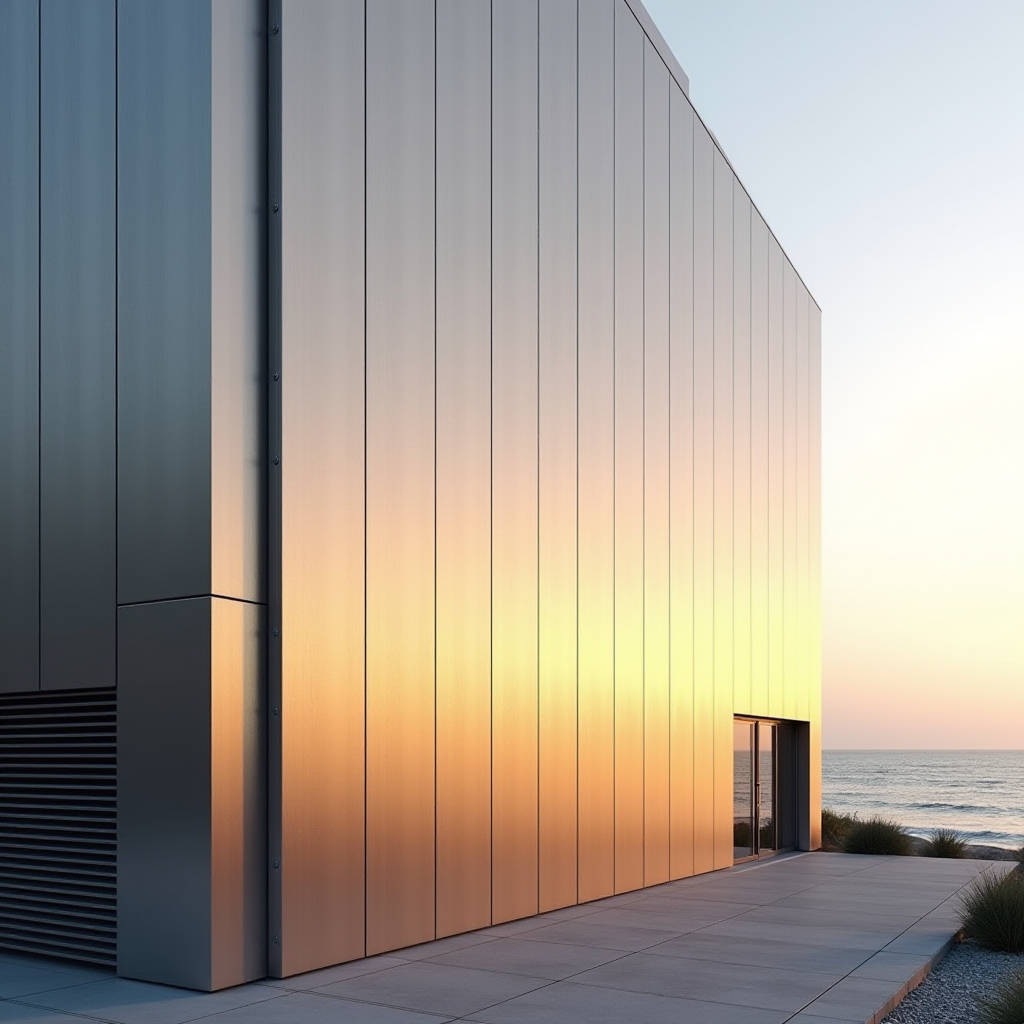
Rustproof Aluminum Cladding is often treated as a commodity purchase, yet the difference between a facade that survives thirty coastal winters and one that streaks within a decade comes down to a handful of engineering decisions made before the first panel is cut. For contractors and procurement teams, the real question is not whether solid aluminum resists corrosion, but which alloy, coating system, and detailing strategy actually deliver on that promise under your specific microclimate. This article breaks down the measurable factors behind corrosion resistance in solid aluminium cladding panels, from alloy chemistry and PVDF film thickness to edge treatment and fastener isolation, and gives you the numbers you need to specify with confidence rather than hope.
Why Solid Aluminum Panels Corrode, and Why Most Claims Oversimplify It
Aluminum does not rust in the way carbon steel does, but it does oxidize. The protective oxide layer that forms naturally is what gives the metal its reputation, yet that layer is thin, brittle, and vulnerable to chlorides, industrial pollutants, and galvanic coupling. When a spec sheet says "rustproof," it usually means the panel has been engineered so that the oxide film is maintained and the substrate is protected by a coating system that does not fail prematurely. Understanding the failure sequence matters more than trusting the marketing word.
The typical corrosion path on a solid aluminium cladding panel starts not on the flat face but at the cut edges, the fastener holes, and the concealed returns. At these points the coating is interrupted, the alloy is exposed, and if the detailing is poor, water and chlorides accumulate. A panel can be perfectly coated on its visible surface and still fail at the perimeter within a few years.
Alloy Selection Is the First Corrosion Decision
Not all aluminium alloys perform equally in exterior cladding. The 5000-series alloys, particularly 5052 and 5083, are the workhorses for architectural panels because their magnesium content delivers good strength and excellent corrosion resistance in marine atmospheres. The 3000-series alloys, such as 3003, are more formable and cheaper but offer lower strength and slightly less robust corrosion performance in aggressive coastal environments.
For most commercial facades, a 5052 alloy in the H32 or H34 temper is the sensible default. It balances formability, weldability, and corrosion resistance. If the project sits within a few kilometres of saltwater or in an industrial zone with high sulfur dioxide levels, 5083 may be worth the premium. The alloy number should appear on the mill certificate, and procurement teams should verify it rather than accept a generic "aluminium" description.
Coating Systems: The Second Line of Defense
The coating is where rustproof performance is won or lost. The industry standard for exterior architectural aluminum is a two-coat or three-coat PVDF (polyvinylidene fluoride) system, typically 70% PVDF resin content, applied at a dry film thickness of 25 to 30 microns. Three-coat systems add a clear topcoat that improves gloss retention and dirt resistance, which matters for long-term appearance and for protecting the color layer from UV degradation.
Powder coating, while cheaper and thicker at 60 to 80 microns, is generally not recommended for exterior coastal facades. Powder coatings are more prone to chalking and color fade under intense UV exposure, and their adhesion to the substrate can degrade faster than properly cured PVDF. For a building owner expecting a 20-year warranty, the coating choice is the single most consequential decision in the specification.
Edge Treatment and Detailing Determine Real Lifespan
Edges are the weak point of every solid aluminium cladding panel. When a panel is sheared, the cut exposes fresh alloy with no protective oxide layer, and the coating does not wrap around the edge. Standard practice is to apply a compatible edge sealant or to specify panels with a factory-applied edge coating. For concealed-fix systems, the returns should be designed so that water does not sit against the cut edge.
Fastener isolation is equally critical. If stainless steel fasteners are used directly against aluminium without a separating washer, galvanic corrosion can occur, especially in the presence of salt. Use nylon or EPDM isolation washers, and specify fasteners that are compatible with the alloy. The same logic applies to any dissimilar metal that touches the panel, including flashings, brackets, and window frames.
Rainscreen Design and Ventilation
Corrosion is a function of moisture, and a properly ventilated rainscreen cavity is the cheapest corrosion protection you can buy. A drained and back-ventilated cavity allows the back face of the panel to dry out, preventing the persistent dampness that accelerates corrosion at the concealed surfaces. The cavity should be at least 20 to 25 mm deep, with open joints or weep holes at the base to allow drainage and airflow.
This is where the difference between a cheap installation and a durable one becomes visible. A panel that is fully bedded in sealant against a solid substrate traps moisture and will fail far sooner than an identical panel mounted on a ventilated rainscreen. The detailing, not the panel, is often the deciding factor in whether a facade remains rustproof for decades.
Performance Comparison by Coating and Alloy
The table below summarizes the practical performance of common coating and alloy combinations for exterior solid aluminium cladding, based on typical accelerated weathering and field data. Use it as a starting point for specification, and verify against the manufacturer's test reports.
| System | Typical DFT | Salt-Spray Resistance | UV/Color Retention | Best Application | Relative Cost |
|---|---|---|---|---|---|
| 5052 + 2-coat 70% PVDF | 25 µm | Good | Good | Urban commercial facades | Baseline |
| 5052 + 3-coat 70% PVDF | 30 µm | Good | Excellent | High-exposure urban and coastal | +10-15% |
| 5083 + 3-coat 70% PVDF | 30 µm | Excellent | Excellent | Marine and industrial zones | +20-25% |
| 5052 + polyester powder | 60-80 µm | Fair | Poor-Fair | Interior or sheltered locations | -15-20% |
| 3003 + 2-coat PVDF | 25 µm | Fair | Good | Low-cost, low-exposure projects | -10% |
Note that salt-spray ratings are comparative, not absolute, and real-world performance depends heavily on edge detailing and maintenance. A 5052 panel with a 3-coat PVDF system and proper edge sealing will outperform a 5083 panel with poor detailing in most real installations.
Standards and Verification
Specifying rustproof aluminum cladding is only meaningful if you verify compliance against recognized standards. The relevant references for architectural aluminum cladding include AAMA 2605 for high-performance organic coatings, which covers the 70% PVDF systems used in exterior facades, and ISO 9227 for neutral salt-spray testing. For alloy composition, refer to the relevant ASTM B209 specification for aluminum sheet and plate.
When you receive test reports, check that the coating manufacturer and the panel fabricator are both named, and that the test method matches the standard you specified. A coating that passes AAMA 2605 will have undergone thousands of hours of accelerated weathering, and that certificate is worth more than any marketing claim about rustproof performance.
Installation and Maintenance Realities
Even the best panel will fail if installed incorrectly. The installation crew should follow the fabricator's approved drawings, maintain the correct cavity depth, and avoid cutting panels on site wherever possible. Site-cut edges must be re-sealed with a compatible coating or sealant, and any scratches or coating damage should be touched up before the panel is fixed.
Maintenance is minimal but not zero. A simple annual wash with clean water and a mild detergent removes the airborne salt and pollutants that accelerate corrosion, and it gives the building owner a chance to inspect the joints and edges. For coastal projects, a twice-yearly wash is a reasonable recommendation. This low maintenance burden is one of the genuine advantages of solid aluminium cladding over alternative materials.
Cost Considerations and Value Engineering
Rustproof performance is not free, but the premium is modest relative to the cost of a premature re-clad. The alloy upgrade from 3003 to 5052 adds roughly 5 to 8 percent to the panel material cost, while the coating upgrade from powder to a 3-coat PVDF system adds 10 to 20 percent. Against a facade that is expected to last 25 to 40 years, these premiums are trivial compared to the cost of replacing panels after a corrosion failure.
Procurement teams should also consider the total installed cost, not just the panel price. A ventilated rainscreen system with proper edge detailing costs more to install than a simple direct-fix system, but it extends the life of the facade and reduces the risk of warranty claims. For projects where long-term durability is a stated requirement, the investment in detailing is almost always justified.
Practical Guidance for Specifiers and Buyers
For a commercial or residential facade where rustproof performance is a priority, start with a 5052 alloy panel and a 3-coat 70% PVDF system at 30 microns. Confirm the alloy on the mill certificate, request the AAMA 2605 test report, and specify a ventilated rainscreen cavity with isolated fasteners and sealed cut edges. For coastal or industrial sites, step up to 5083 and consider a thicker clear topcoat. For interior or sheltered applications, a polyester powder coating may be acceptable, but treat any exterior use of powder coating with caution.
When evaluating suppliers, ask how they handle edge treatment and whether they can provide a written warranty tied to the coating standard. A fabricator that can document its alloy sourcing, coating certification, and edge-sealing process is a more reliable partner than one that offers a low price and vague promises. Futeng® has built its reputation on precisely this kind of documented, specification-driven supply of solid aluminium cladding panels, and it is a reference worth checking when you compare quotes.
The takeaway is straightforward. Rustproof Aluminum Cladding is not a single product property but an outcome of alloy selection, coating choice, edge detailing, and installation discipline working together. Specify the right combination, verify it against recognized standards, and the facade will deliver decades of low-maintenance service. Skip any one of these steps, and the rustproof claim becomes just another word on a datasheet.