Bulletproof Aluminum Cladding as a UL 752 Ballistic Assembly for Secure Facades
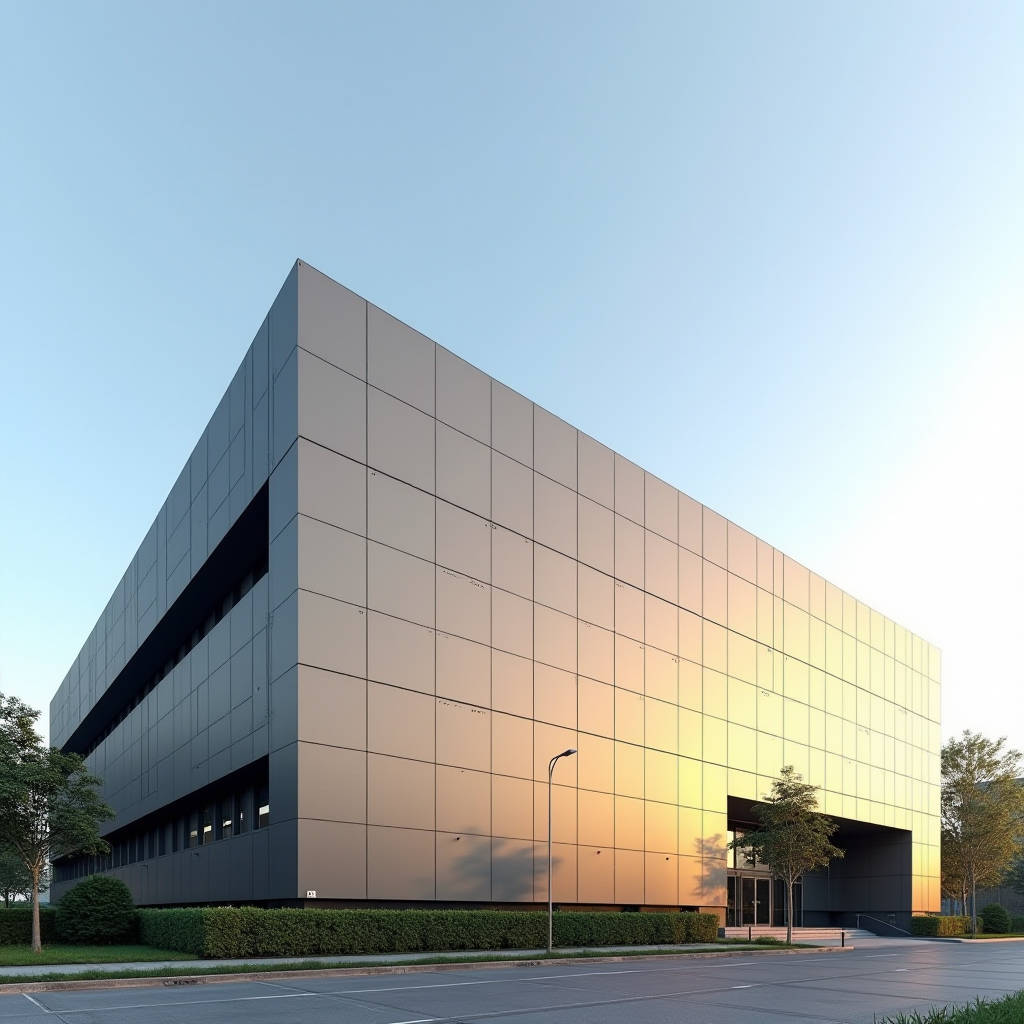
Bulletproof Aluminum Cladding is not a marketing slogan; it is a layered engineering specification that pairs a solid 2.0–3.0 mm aluminum plate with a ballistic backing core and a tested framing system. Most specifiers discover the hard way that a single aluminum sheet alone cannot stop a projectile, yet the term keeps appearing in tender documents for embassies, banks, data centers, and government annexes. The real question is how to build a facade that satisfies both UL 752 threat levels and the corrosion, wind load, and thermal movement demands of a modern rainscreen. This article walks through the material stack, the coating chemistry, the framing interface, and the cost reality of a genuinely bullet-resistant aluminum facade, so your next specification survives both the ballistic lab and the site engineer.
What Bulletproof Aluminum Cladding Actually Means
Aluminum is a soft metal. A bare 3.0 mm solid plate will deform and let a 9 mm round pass through under most conditions. The term Bulletproof Aluminum Cladding therefore refers to a composite assembly: a solid aluminum face sheet, a laminated ballistic core (typically aramid or fiberglass reinforced), and a rear aluminum skin. The aluminum is not the armor; it is the architectural envelope that protects the armor from weathering, fire, and impact while delivering the clean, flat sightlines architects expect.
This distinction matters in procurement. If your spec sheet says "bulletproof aluminum panel" and the supplier delivers a single solid sheet, the failure is yours. The industry standard architecture follows the ArmorClad™ style construction described in ballistic panel literature, where a fiberglass core is sandwiched between metal skins and certified to a specific UL 752 level. The aluminum face is the sacrificial aesthetic layer; the core does the stopping.
Ballistic Levels and the Aluminum Skin
UL 752 defines protection levels from Level 1 (9 mm full metal jacket) up to Level 8 (7.62 mm rifle). For a facade, Levels 3 through 5 are the practical range. The aluminum skin thickness does not add meaningful ballistic resistance, but it affects how the panel is fabricated, how heavy the unit is, and how the edge is anchored.
| UL 752 Level | Typical Threat | Core Construction | Aluminum Face | Panel Weight (kg/m²) |
|---|---|---|---|---|
| Level 1 | 9 mm FMJ | 5–8 mm fiberglass | 2.0 mm solid | 18–22 |
| Level 3 | .44 Magnum | 10–14 mm fiberglass | 2.5 mm solid | 28–34 |
| Level 4 | .30 rifle (soft) | 16–20 mm fiberglass | 3.0 mm solid | 40–48 |
| Level 5 | 7.62 mm rifle | 22–30 mm hybrid core | 3.0 mm solid | 58–70 |
These weights drive the structural subframe. A Level 5 panel at 65 kg/m² is roughly triple the load of a standard rainscreen panel, so the aluminum support brackets, the steel or aluminum tube rails, and the anchor points into the concrete slab all need recalculation. Do not reuse a standard facade subframe design for a ballistic project.
Coating Chemistry Under Ballistic Conditions
The aluminum face sheet must survive decades of UV, salt spray, and acid rain without losing its bond to the ballistic core. The coating system follows the same AAMA 2605 specification used for premium architectural aluminum, but the curing and the adhesion to the core laminate deserve extra attention.
- PVDF (70% Kynar 500®): 2-coat or 3-coat system, 25–30 µm total film thickness, top choice for coastal and high-UV sites.
- Anodized (Class I, 18–25 µm): Metallic appearance, excellent abrasion resistance, but limited color range and requires a sealed anodic layer before core lamination.
- Powder coat: Cheaper, but the thicker film can interfere with the adhesive bond line at the core interface; use only where the core is bonded mechanically.
The adhesive between the aluminum skin and the ballistic core must be a structural film adhesive qualified for the temperature range of the facade. A typical dark-colored panel can reach 80 °C surface temperature in direct sun, and the bond line must not creep. Specify a test report from the laminator showing peel strength retention after 1,000 hours of accelerated weathering per ASTM B117 salt spray.
Framing and the Ballistic Interface
The weakest point in any ballistic facade is the joint. A panel that stops a round is useless if the projectile enters through a 6 mm seam or pushes the panel out of its aluminum frame. Ballistic aluminum framing, as used in storefront and window systems, is engineered with a deeper bite depth and a reinforced pressure plate so the glass or panel stays captive under impact.
For a rainscreen application, the ballistic panels should be mounted on a concealed, mechanically fastened system rather than a standard cassette hook. The recommended approach is a structural silicone plus mechanical clip hybrid, with the clips spaced at no more than 600 mm centers and the panel edge bite at least 25 mm. The subframe rails should be aluminum or galvanized steel with a minimum wall thickness of 3 mm, anchored into the structure with expansion bolts rated for the calculated pull-out load.
Wind Load and Thermal Movement
A ballistic facade is still a facade. It must deflect less than L/180 under the design wind pressure and accommodate thermal expansion of the aluminum skin, which moves roughly 23 µm per meter per degree Celsius. A 4-meter panel experiencing a 60 °C temperature swing moves about 5.5 mm. If you lock that panel rigidly, the bond line and the frame will fail.
Design the system with a slip joint or a slotted clip at one end of each panel, and verify the gasket compression at the design temperature range. The ballistic core adds stiffness, which reduces deflection, but it also adds weight, which increases the load on the anchors. Run the numbers for both the serviceability limit state and the ultimate limit state, and check the local building code for the required safety factor on the anchor pull-out.
Cost Reality and Procurement
Ballistic aluminum cladding costs more than the sum of its materials. The premium comes from the certified ballistic testing, the traceability of the core material, and the specialized lamination and framing labor. A realistic budget for a Level 3 facade, installed, lands between USD 450 and 700 per square meter, versus USD 120 to 200 for a standard solid aluminum rainscreen. Level 5 pushes that to USD 900 to 1,300 per square meter.
For a project owner who needs a certified, traceable supply chain, a manufacturer such as Futeng® can coordinate the solid aluminum face sheet, the ballistic core lamination, and the framing hardware under one quality program, which reduces the risk of mismatched components and simplifies the warranty chain. The key is to ask for the UL 752 test report, the AAMA 2605 coating certificate, and the adhesive bond line data before you commit.
Fire Performance and Code Compliance
Aluminum is non-combustible, which is a major advantage over combustible cores. The ballistic core, however, is a polymer composite, so it must be tested for fire performance in the assembled panel. Specify a core that meets the relevant fire classification for your jurisdiction, and verify the panel passes the NFPA 285 wall assembly test or the equivalent local standard. The aluminum skins protect the core from direct flame, but the edge and the joint details must be fire-stopped to prevent flame spread through the cavity.
Practical Specification Checklist
- Confirm the exact UL 752 level and the specific ammunition threat for your site.
- Request a full panel weight and the subframe load calculation.
- Verify the coating system meets AAMA 2605 with a 25–30 µm PVDF film.
- Require the adhesive bond line test data after accelerated weathering.
- Specify a concealed mechanical clip with a 25 mm edge bite and 600 mm clip spacing.
- Design a slip joint to accommodate thermal movement of the aluminum skin.
- Confirm the ballistic core fire rating and the NFPA 285 assembly test.
- Ask for the UL 752 test report and the coating certificate in the submittal package.
Bulletproof Aluminum Cladding is a defensible, buildable system when the engineering is treated as a whole assembly rather than a single panel. The aluminum delivers the architecture, the core delivers the protection, and the framing delivers the integrity. Specify each layer with its own test evidence, and you will get a facade that performs in the ballistic lab, in the wind tunnel, and on the site for decades.