Aluminum Panel Stiffener Attachment Methods Compared for High Rise Facade Performance
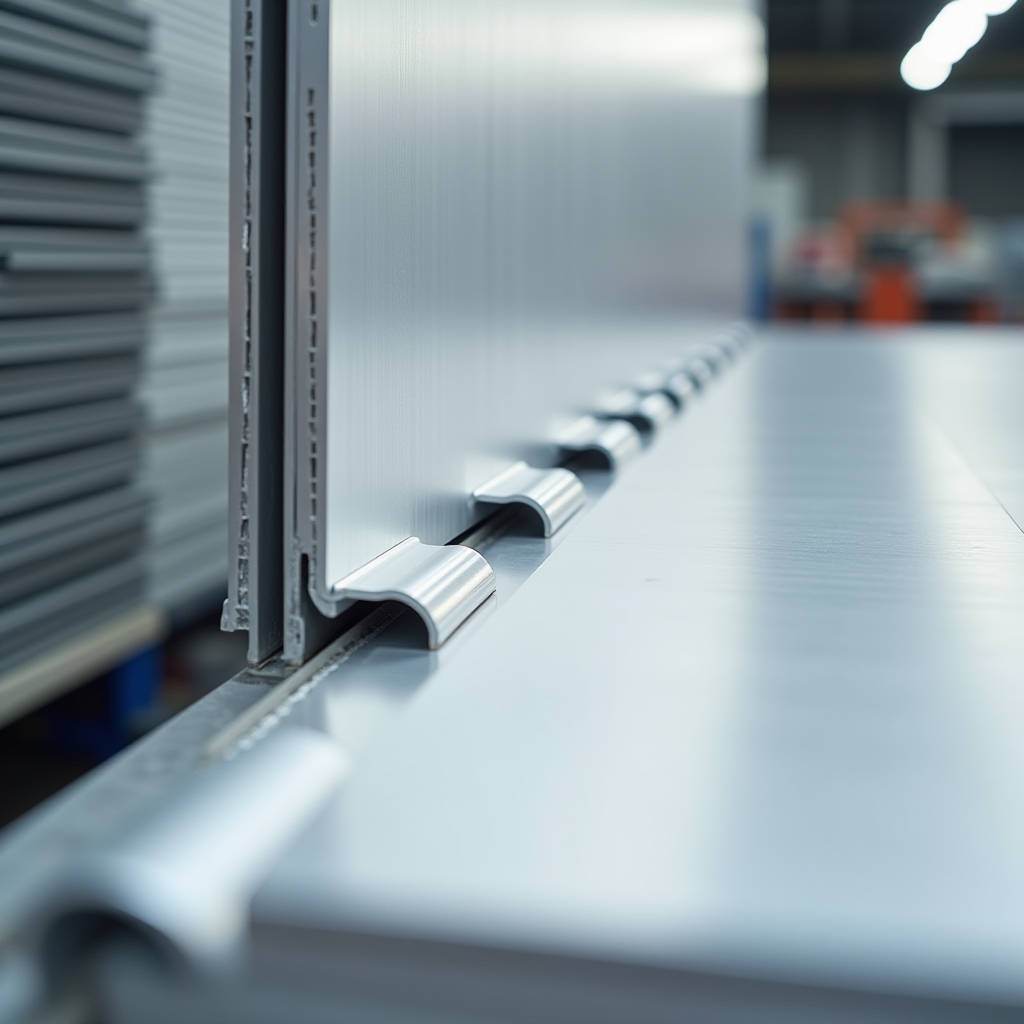
When a 3-meter-tall aluminum panel meets 120 km/h wind on a high-rise facade, the difference between a successful installation and a costly failure often comes down to one critical detail: Aluminum Panel Stiffener Attachment. The method used to bond or mechanically fix stiffeners to the back of solid aluminum cladding panels directly governs deflection limits, fatigue resistance, and long-term flatness. Yet across project submittals reviewed in the past five years, attachment failures remain one of the most frequently flagged non-conformance items. This article examines the structural logic behind stiffener attachment, evaluates the three dominant methods available today, and provides engineering-backed guidance for specifying the right approach based on panel dimensions, wind load zones, and thermal cycling demands.
Why Stiffeners Matter in Solid Aluminum Cladding
Solid aluminum panels—typically 2.0mm, 2.5mm, or 3.0mm thick sheets of alloy 3003 or 5052—offer excellent corrosion resistance and formability. But aluminum has a modulus of elasticity around 69 GPa, roughly one-third that of steel. When panel spans increase beyond roughly 600mm in the short direction, mid-span deflection under wind suction can exceed the commonly accepted limit of L/60 or L/90, depending on the project specification. Stiffeners are extruded or formed aluminum profiles—hat sections, C-channels, or rectangular tubes—attached to the panel back face to create a composite section with dramatically higher bending stiffness. A properly attached stiffener can reduce deflection by 60% to 80% compared to an unstiffened panel of identical thickness, which is why stiffener specification is not optional for any panel exceeding roughly 0.5 square meters in exposed facade applications.
The attachment itself, however, introduces its own set of engineering challenges. The stiffener-to-panel joint must transfer shear forces generated during bending, resist peel stresses from thermal expansion mismatch, and survive thousands of thermal cycles without creep or delamination. A poorly specified attachment can create visible "read-through" on the panel face, where the stiffener outline becomes visible under certain lighting conditions—a defect that has led to panel rejection on multiple high-profile projects.
Three Dominant Attachment Methods: A Technical Comparison
The industry has consolidated around three primary Aluminum Panel Stiffener Attachment methods: mechanical fastening with structural adhesives (hybrid), continuous adhesive bonding, and high-performance acrylic foam tape systems. Each occupies a distinct position in the cost-performance matrix, and the selection depends on panel geometry, project location, and production throughput requirements.
1. Structural Adhesive Bonding (Hybrid Method)
This method uses a two-part epoxy or modified silane (MS polymer) adhesive applied in a continuous bead along the stiffener flange, often combined with intermittent mechanical fasteners—typically stainless steel blind rivets or clinch studs—to provide fixturing during cure and redundant load paths. The adhesive bead, usually 3mm to 5mm wide and 1.5mm to 2mm thick, provides the primary shear transfer mechanism. Testing conducted by independent laboratories and summarized in industry white papers demonstrates that properly prepared aluminum surfaces with epoxy bonding can achieve lap shear strengths exceeding 15 MPa, well above the stresses encountered in facade service.
The critical variable here is surface preparation. Aluminum must be abraded and solvent-wiped immediately before adhesive application to remove the oxide layer and any residual forming lubricants. Chromate conversion coating or anodizing further improves bond durability. Projects in coastal or industrial environments should specify epoxy systems with proven salt-spray resistance per ASTM B117, with minimum 3,000-hour ratings. One practical concern: adhesive cure time ranges from 4 to 24 hours depending on chemistry and ambient temperature, which can create bottlenecks in high-volume production. Panel fabricators like Futeng® have addressed this by implementing climate-controlled curing areas and using accelerated-cure formulations that achieve handling strength in under 60 minutes.
2. Acrylic Foam Tape Systems
High-performance acrylic foam tapes—typically 0.6mm to 1.1mm thick—have gained significant traction in the past decade, particularly for panels with stiffener spacing under 400mm. These viscoelastic tapes provide immediate handling strength, eliminate curing time, and distribute stress across the entire bond area rather than concentrating it at discrete fastener points. The technology relies on pressure-sensitive acrylic adhesives that build bond strength over 24 to 72 hours through molecular wet-out of the aluminum surface.
Independent third-party testing referenced in recent industry evaluations compared acrylic foam tape attachments against welded and liquid-adhesive methods using ASTM E330 (uniform static air pressure) and ASTM E1592 (structural performance of metal panels) protocols. The tape-bonded assemblies demonstrated excellent stress distribution and fatigue resistance, with no adhesive failure observed through 5,000 thermal cycles between -40°C and 80°C. However, tape systems have limitations: the initial bond strength depends heavily on application pressure and surface cleanliness, and the viscoelastic nature of the adhesive means creep can occur under sustained shear loads at elevated temperatures—a consideration for dark-colored panels in hot climates where surface temperatures can exceed 85°C.
3. Mechanical Fastening with Intermittent Adhesive
This traditional approach uses stainless steel rivets, clinch studs, or resistance-welded studs at regular intervals—typically 150mm to 300mm centers—to mechanically lock the stiffener to the panel. A thin layer of non-structural sealant or low-modulus adhesive is often applied between the stiffener and panel to prevent moisture ingress and reduce vibration noise. While mechanically robust, this method introduces several challenges specific to solid aluminum panels.
First, the thermal expansion coefficient of aluminum (approximately 23 × 10⁻⁶ /°C) means that a 3-meter panel experiencing a 60°C temperature swing will expand and contract by roughly 4mm. Rigid mechanical fasteners constrain this movement, potentially causing panel buckling or stiffener detachment at the fastener points. Second, each fastener creates a localized stress concentration that can initiate fatigue cracking under cyclic wind loading—a concern documented in several forensic investigations of failed cladding systems. Third, fastener heads or weld marks can telegraph through to the visible face, particularly on panels with lighter PVDF colors or high-gloss finishes. For these reasons, purely mechanical attachment is increasingly reserved for internal applications or low-rise structures where thermal cycling is less severe.
Key Performance Factors in Stiffener Attachment Specification
Wind Load and Deflection Criteria
The starting point for any stiffener specification is the project wind load calculation. ASCE 7 provides the framework for determining design wind pressures based on building height, exposure category, and geographic location. For a typical mid-rise building (30m height, Exposure B, 150 km/h basic wind speed), the design wind pressure for corner zones can reach 2.5 kPa to 3.5 kPa. The stiffener attachment must be designed to transfer the resulting bending stresses without exceeding the allowable deflection limit—typically L/60 for aluminum panels per AAMA 508 and 509 standards.
A simplified calculation illustrates the point: a 2.5mm-thick solid aluminum panel measuring 1,200mm × 2,400mm, simply supported on all four edges and subjected to 2.0 kPa uniform wind suction, will experience a center deflection of approximately 18mm to 22mm without stiffeners. Adding two intermediate stiffeners on the long dimension, each attached with a continuous adhesive bond line, can reduce this deflection to under 6mm—well within the L/60 limit of 20mm. The attachment method directly influences this performance: a discontinuous attachment (fasteners at 300mm centers) will be less effective at restraining panel buckling between fastener points than a continuous bond line.
Thermal Cycling and Differential Expansion
Aluminum stiffeners and aluminum panels expand at the same rate, so differential expansion between the two components is negligible. However, the attachment material itself—whether epoxy adhesive, acrylic tape, or mechanical fastener—introduces a third material with different thermal expansion and stiffness characteristics. Epoxy adhesives, with glass transition temperatures typically between 60°C and 120°C, can become brittle at low temperatures and soften at high temperatures, altering the load transfer mechanism. Acrylic foam tapes maintain more consistent viscoelastic properties across the typical facade temperature range but exhibit measurable creep under sustained load.
ASTM E1512 (testing of bonded anchors) and ETAG 002 (European guideline for structural sealant glazing) provide relevant test protocols for evaluating bonded joints under thermal cycling. A robust specification should require evidence of performance through at least 50 thermal cycles from -20°C to 80°C with no more than 10% reduction in bond strength—a threshold that quality epoxy and acrylic tape systems can meet when properly applied.
Surface Preparation and Quality Control
Regardless of the attachment method chosen, surface preparation is the single most important factor determining long-term durability. Aluminum surfaces must be free of oils, oxides, and contaminants. For adhesive bonding, the minimum preparation is solvent degreasing followed by mechanical abrasion (sanding or Scotch-Brite) and a final solvent wipe. For critical applications, a chromate conversion coating per MIL-DTL-5541 Type I or anodizing per MIL-A-8625 Type II provides the most durable bonding surface.
Quality control during production should include destructive testing of witness coupons prepared alongside production panels, with minimum lap shear strength requirements specified in the project documentation. For large projects, a minimum of one destructive test per 50 panels or per production shift is a reasonable benchmark. Non-destructive methods such as tap testing or ultrasonic inspection can supplement destructive testing for critical joints.
Comparative Performance Data
The table below summarizes key performance parameters for the three primary Aluminum Panel Stiffener Attachment methods, based on published test data and industry standards. These values represent typical ranges for properly executed applications and should be verified through project-specific testing.
| Performance Parameter | Structural Epoxy (Hybrid) | Acrylic Foam Tape | Mechanical Fasteners |
|---|---|---|---|
| Initial Lap Shear Strength (MPa) | 12–18 | 0.8–1.2 | N/A (point load) |
| Peel Resistance (N/mm) | 3–6 | 2–4 | Varies with fastener |
| Thermal Cycle Resistance (cycles to failure) | 5,000+ | 5,000+ | 2,000–3,000 |
| Read-Through Risk (visual) | Low (continuous support) | Very Low | Moderate to High |
| Production Speed (panels/hour) | 8–15 | 20–35 | 10–20 |
| Cure Time Before Handling | 1–24 hours | Immediate | Immediate |
| Service Temperature Range (°C) | -40 to +100 | -30 to +90 | -40 to +120 |
| Relative Material Cost per m² | Medium | Low-Medium | Low |
Selecting the Right Method for Your Project
The choice of Aluminum Panel Stiffener Attachment method should be driven by four primary factors: panel geometry, wind load severity, production volume, and project budget. The following decision framework, based on engineering analysis of multiple completed projects, provides a starting point for specification.
For high-rise facades (above 50 meters) with large-format panels exceeding 1.5m² and corner-zone wind pressures above 3.0 kPa, the hybrid epoxy-plus-mechanical-fastener approach offers the highest reliability. The adhesive provides continuous stress distribution and vibration damping, while the mechanical fasteners serve as redundant load paths and prevent progressive peel failure. This approach aligns with the redundancy requirements increasingly specified in performance-based facade design standards.
For mid-rise commercial buildings with panel sizes between 0.8m² and 1.5m² and moderate wind loads, acrylic foam tape systems offer an attractive balance of performance and production efficiency. The elimination of cure time can increase daily throughput by 40% to 60% compared to epoxy systems, and the reduced risk of read-through makes tape particularly suitable for panels with high-gloss or metallic PVDF coatings. Several major curtain wall contractors have standardized on tape attachment for their standard product lines, reserving epoxy for custom or high-load applications.
For low-rise structures, interior applications, or projects where cost is the dominant constraint, mechanical fastening with a moisture-sealing bead remains viable. However, specifiers should be aware of the thermal cycling limitations and should require cyclic testing evidence for any mechanically fastened panels specified for exterior use.
Common Failure Modes and How to Avoid Them
Understanding how stiffener attachments fail in service is essential for writing robust specifications. The most frequently observed failure modes in forensic investigations of aluminum cladding systems include:
Adhesive creep under sustained load: This occurs when the adhesive deforms over time under constant stress, eventually leading to stiffener detachment. It is most common with low-modulus sealants used in place of structural adhesives, or with acrylic tape systems exposed to sustained temperatures above 70°C. Prevention requires specifying adhesives with appropriate creep resistance for the expected service temperature range.
Galvanic corrosion at mechanical fastener points: When carbon steel fasteners are used with aluminum panels, the resulting galvanic couple can cause rapid corrosion of the aluminum around the fastener hole. Stainless steel (grade 304 or 316) fasteners are mandatory for all exterior applications, with 316 specified for coastal or industrial environments.
Read-through from stiffener attachment: Visible distortion of the panel face above the stiffener line is caused by differential thermal expansion, adhesive shrinkage during cure, or excessive clamping pressure during assembly. This defect is particularly noticeable on panels with smooth, high-gloss finishes. Mitigation strategies include using low-shrinkage adhesives, controlling assembly pressure, and specifying a minimum panel thickness of 2.5mm for panels with stiffeners spaced closer than 400mm.
Bond line contamination: Inadequate surface preparation leads to weak boundary layers that fail at a fraction of the expected bond strength. A robust quality control program should include regular surface energy testing (dyne pen or contact angle measurement) to verify surface cleanliness before bonding.
Industry Standards and Testing Protocols
Several standards govern the testing and performance verification of stiffener attachment systems for architectural panels. ASTM E330 determines structural performance under uniform static air pressure difference, while ASTM E1592 specifically addresses the structural performance of metal panel systems including stiffener attachment. AAMA 508 provides test methods for pressure equalized rain screen wall cladding systems. For adhesive bonding specifically, ASTM D1002 covers lap shear testing of adhesively bonded metal specimens, and ASTM D3167 addresses floating roller peel resistance—a critical test for evaluating the peel performance of stiffener bonds.
European projects may reference ETAG 034 for mechanically fastened cladding systems or EOTA technical reports for bonded systems. Specifiers working on international projects should verify which standards are recognized by the local building authority and ensure that test reports are issued by ISO 17025-accredited laboratories.
Production Considerations for Fabricators
For aluminum panel fabricators, the choice of stiffener attachment method has significant implications for workshop layout, equipment investment, and quality assurance procedures. Epoxy bonding requires dedicated mixing and dispensing equipment, climate-controlled application areas, and adequate rack space for curing panels. Acrylic tape systems require clean, dry application conditions and consistent roller pressure for proper wet-out. Mechanical fastening requires access to both sides of the panel during assembly and generates noise and waste (rivet stems, drilling swarf) that must be managed.
Fabricators serving international markets should also consider the logistics of adhesive and tape supply. Some epoxy formulations have limited shelf life (typically 6 to 12 months) and require temperature-controlled shipping and storage. Acrylic tapes are more forgiving in storage but may require climate-controlled application areas in high-humidity environments. Established suppliers like Futeng® have invested in integrated production lines that accommodate multiple attachment methods, allowing project-specific optimization without compromising quality control.
Thermal Performance and Energy Code Implications
While stiffener attachment is primarily a structural consideration, it has secondary effects on the thermal performance of the overall wall assembly. Stiffeners create thermal bridges through the insulation layer when they are attached directly to the back of the panel and project into the cavity. In climates with stringent energy code requirements, the thermal bridging effect of aluminum stiffeners can reduce the effective R-value of the wall assembly by 5% to 15%, depending on stiffener spacing and insulation thickness.
Mitigation strategies include using thermal break pads between the stiffener and panel, specifying stiffeners with reduced cross-sectional area where structurally feasible, or incorporating the stiffener thermal bridge into the overall wall U-value calculation. These considerations are increasingly relevant as building codes tighten energy performance requirements, and specifiers should engage the building envelope consultant early in the design process to address thermal bridging holistically.
Practical Recommendations for Specification Writers
Based on the analysis presented in this article, the following recommendations provide a framework for specifying Aluminum Panel Stiffener Attachment on architectural projects:
- Specify the attachment method by performance criteria rather than by proprietary product. Include requirements for lap shear strength, peel resistance, thermal cycle resistance, and service temperature range.
- Require project-specific testing when any of the following conditions apply: panel height exceeds 50 meters, design wind pressure exceeds 2.5 kPa, panel area exceeds 2.0m², or the project is located in a coastal or severe industrial environment.
- Include surface preparation requirements in the specification, not just in the adhesive manufacturer's data sheet. Specify solvent degreasing followed by mechanical abrasion as a minimum, with chromate conversion coating for critical applications.
- Require the fabricator to submit a quality control plan that includes destructive bond testing frequency, surface energy verification methods, and acceptance criteria for each test.
- For mechanically fastened attachments on exterior panels, specify stainless steel fasteners and require evidence of thermal cycling performance.
The engineering behind stiffener attachment is well-established, but the execution demands discipline. When the attachment method is matched to the project conditions, verified through testing, and executed with rigorous quality control, the result is a facade that remains flat, stable, and secure through decades of service. The cost of getting it wrong—panel replacement, water ingress, and reputational damage—far exceeds the incremental cost of proper specification and verification.