Aluminum Anodize Sealing Methods Compared for Solid Architectural Cladding Performance
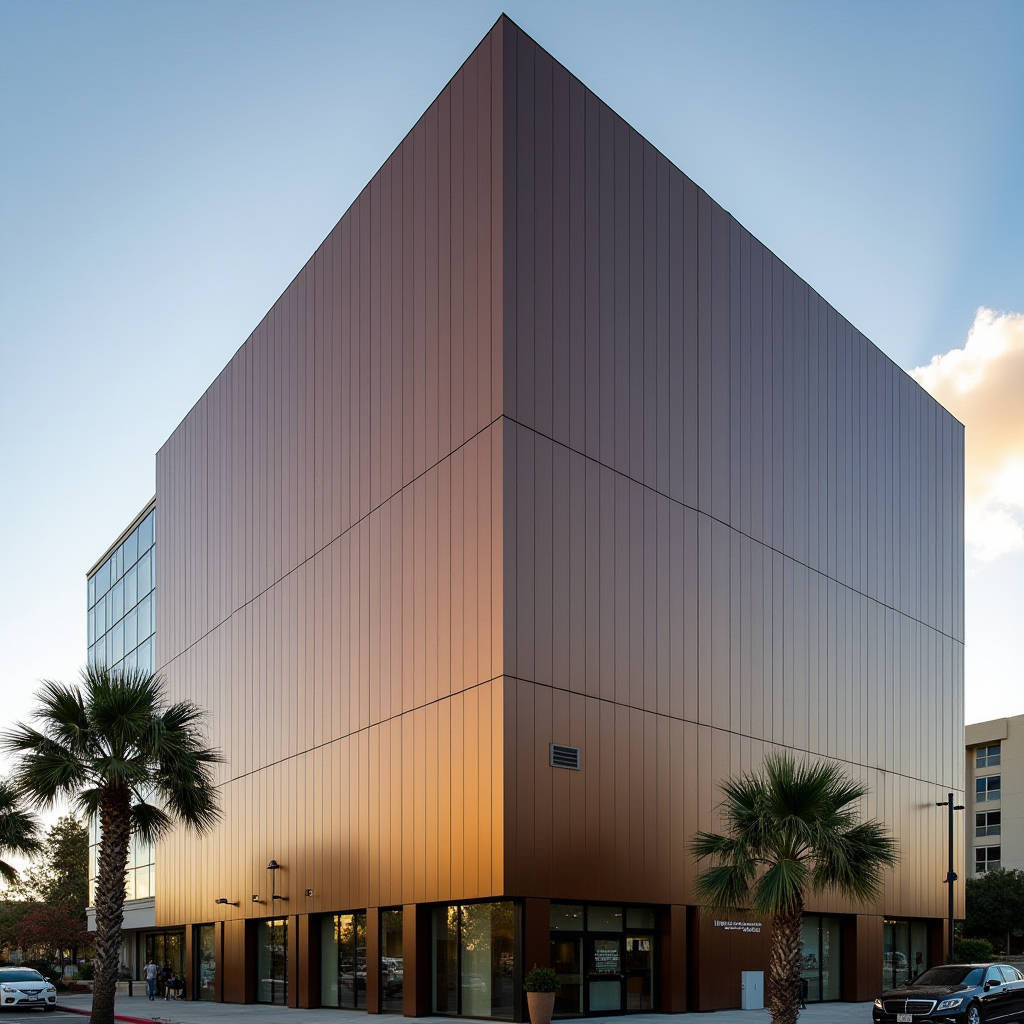
When an architect specifies anodized aluminum cladding for a coastal high-rise, the conversation rarely centers on the anodizing bath chemistry. It centers on color consistency, corrosion warranties, and whether the finish will look the same in year five as it did on day one. The variable that determines all three outcomes is Aluminum Anodize Sealing. Sealing is the final step in the anodizing process where the porous oxide layer is hydrated to close off microscopic channels, locking in dye and blocking corrosive agents. Without proper sealing, even a perfectly anodized panel will fade, stain, and corrode prematurely. For solid aluminum cladding panels in architectural applications, the seal quality is not a cosmetic afterthought. It defines the service life of the building envelope.
What Happens Inside the Pore During Sealing
Anodizing aluminum creates a honeycomb-like oxide structure with pores measuring 10–30 nanometers in diameter. These pores are what make the surface receptive to dyes and also what make it vulnerable to chloride ingress, staining, and UV degradation. The sealing step converts anhydrous aluminum oxide (Al₂O₃) into a hydrated form, typically boehmite (AlOOH), which swells and physically plugs the pores. The reaction is driven by hot water, steam, or chemical sealants. The quality of this hydration reaction determines whether the oxide layer remains a protective barrier or becomes a liability.
Three mechanisms dominate architectural sealing practice: hot water sealing above 95°C, mid-temperature metal salt sealing using nickel or cobalt acetates, and cold sealing with nickel fluoride chemistries. Each produces a different crystalline structure in the pore, and each carries different implications for long-term outdoor performance on solid aluminum panels.
Hot Water Sealing and the Energy Question
Hot water sealing remains the most widely specified method for architectural aluminum cladding, particularly in Europe where Qualanod certification governs anodizing quality. The process immerses anodized panels in deionized water at 95–98°C for 2–3 minutes per micron of oxide thickness. For a typical Class I architectural anodized coating of 20–25 microns, that means 40–75 minutes of continuous immersion.
The energy cost is substantial. Research published in MDPI materials journals indicates that the sealing step accounts for the second-highest energy consumption in the anodizing line, after the anodizing bath itself. Maintaining 2,000 liters of water at 98°C for continuous production requires roughly 40–60 kW of heating capacity. For a mid-sized anodizing line processing 500 square meters of solid aluminum panels daily, the annual energy bill for sealing alone can exceed €15,000–25,000 depending on local electricity rates.
Despite the energy intensity, hot water sealing produces the most chemically stable sealed surface. The boehmite formed is highly resistant to hydrolysis and does not leach in rain or humidity. This matters for architectural panels that face decades of weather exposure. Futeng® processes architectural-grade solid aluminum panels through Qualanod-certified hot water sealing lines, ensuring that the oxide layer meets the 50 mg/dm² minimum oxide weight required for exterior applications.
Cold Sealing: Speed vs. Long-Term Stability
Cold sealing operates at ambient temperatures (25–35°C) using nickel fluoride solutions. The mechanism is fundamentally different from hot water sealing. Instead of thermally hydrating the oxide, nickel ions precipitate inside the pores as nickel hydroxide, physically filling the void. The process takes 1–2 minutes per micron, making it three to four times faster than hot water sealing.
The trade-off is aging behavior. Cold-sealed anodized aluminum exhibits excellent initial corrosion resistance, often passing 1,000+ hours of neutral salt spray testing per ASTM B117. But over years of thermal cycling and UV exposure, nickel hydroxide fillers can undergo slow chemical changes that slightly alter the surface appearance. For interior architectural elements, cold sealing is perfectly adequate. For exterior solid aluminum cladding panels on a 40-story tower, the long-term stability of hot water sealing or mid-temperature sealing is generally preferred by specifiers.
A critical quality control point: cold-sealed panels must be aged for 24–48 hours before testing. Seal quality measured immediately after processing will give falsely optimistic results. The hydration reaction continues slowly after the panel exits the bath, and only after full aging does the true seal quality emerge.
Mid-Temperature Metal Salt Sealing: The Architectural Compromise
Mid-temperature sealing at 60–80°C using nickel or cobalt acetate solutions bridges the gap between energy-intensive hot water sealing and the aging concerns of cold sealing. The process combines partial thermal hydration with metal salt precipitation, producing a mixed boehmite/nickel hydroxide seal structure.
For architectural solid aluminum cladding, mid-temperature sealing offers a practical advantage: it reduces energy consumption by 30–40% compared to hot water sealing while delivering corrosion resistance that meets AAMA 611-14 specifications for Class I anodized architectural coatings. The seal quality is evaluated through the dye spot test (ASTM B136), the acid dissolution test (ASTM B680), and admittance testing (ISO 2931). Panels must show a dye absorption rating of no worse than 2 on the ISO 2143 scale, and admittance values below 20 µS for Class I architectural work.
Testing Seal Quality: What Specifiers Should Demand
Anodized aluminum panels arrive on site looking pristine. The seal quality is invisible. That is why third-party testing documentation is non-negotiable for architectural projects. Four tests form the backbone of seal quality verification:
Dye Spot Test (ASTM B136): A drop of nitric acid is applied to the surface, followed by a dye solution. A properly sealed surface resists dye absorption. Any visible stain indicates incomplete sealing. This test is simple enough to perform on site with a field kit.
Admittance Test (ISO 2931): An impedance meter measures the electrical admittance of the oxide layer. Values below 20 microsiemens indicate a properly sealed architectural finish. This is the most quantitative and repeatable test method, and it is the standard reference in Qualanod and GSB specifications.
Acid Dissolution Test (ASTM B680): The panel is immersed in a chromic-phosphoric acid solution that dissolves unsealed oxide. Weight loss is measured. For Class I architectural coatings, maximum weight loss is 30 mg/dm². This test is destructive and performed on sample coupons, not finished panels.
Neutral Salt Spray (ASTM B117): Panels are exposed to 5% NaCl fog at 35°C. Architectural specifications typically require 1,000–3,000 hours with no pitting or blistering. This test evaluates the combined performance of anodizing and sealing as a corrosion protection system.
| Sealing Method | Temperature Range | Processing Time (per µm oxide) | Energy Consumption | Corrosion Resistance (ASTM B117) | Best Application |
|---|---|---|---|---|---|
| Hot Water Sealing | 95–98°C | 2–3 min | High (40–60 kW per tank) | 3,000+ hours | Exterior architectural cladding |
| Mid-Temperature Metal Salt | 60–80°C | 1.5–2 min | Moderate (25–35 kW) | 1,500–2,000 hours | Exterior cladding, energy-conscious projects |
| Cold Nickel Fluoride | 25–35°C | 1–2 min | Low (ambient) | 1,000–1,500 hours | Interior panels, non-coastal exterior |
| Steam Sealing | 100–115°C (pressurized) | 1–2 min | Very High | 2,000+ hours | Specialized architectural, high-density oxide |
Sealing Failures: What Goes Wrong and Why
Seal failures on architectural aluminum cladding are rarely catastrophic. They are insidious. A panel that looked uniform during installation develops chalky blotches after three years. A bronze-anodized facade fades unevenly, with south-facing panels losing color faster than north-facing ones. These are sealing failures, not anodizing failures.
The most common root cause is insufficient sealing time. Anodizing lines under production pressure may reduce dwell time in the sealing bath below the minimum 2 minutes per micron. The result is partial sealing: the outer pore mouths close, passing a quick dye spot test, but the inner pore volume remains unsealed. Over time, moisture and pollutants migrate into these partially sealed pores, causing subsurface corrosion that manifests as staining or spalling.
Water chemistry is the second major factor. Hot water sealing requires deionized water with conductivity below 50 µS/cm and pH maintained between 5.5 and 6.5. Dissolved solids in the sealing bath, particularly silicates and phosphates, can deposit on the surface and interfere with the hydration reaction. A sealing bath that has not been changed after processing 20–30 square meters of aluminum per liter of bath volume will produce progressively poorer seal quality. Reputable processors track bath life by total surface area processed and change sealing water on a defined schedule.
For cold sealing, the nickel concentration must be maintained between 1.0 and 2.0 g/L. Below this range, pore filling is incomplete. Above it, nickel salts can precipitate on the surface as a white bloom that must be removed by additional rinsing. The fluoride concentration must also be controlled to maintain the correct pH for nickel hydroxide precipitation inside the pores.
Specifying Sealing for Solid Aluminum Cladding: Key Contract Clauses
For architects and facade consultants writing specifications, the sealing requirements should be explicit and testable. A well-written specification will reference:
- Oxide thickness: Minimum 20 microns (Class I) per AAMA 611-14 or 25 microns per Qualanod for exterior solid aluminum panels.
- Seal quality: Admittance below 20 µS per ISO 2931, or dye spot rating of 0–2 per ISO 2143.
- Sealing method: Hot water sealing or mid-temperature metal salt sealing for exterior applications. Cold sealing permitted only for interior panels.
- Corrosion testing: Minimum 1,500 hours neutral salt spray per ASTM B117 with no pitting on the face surface.
- UV resistance: For colored anodized panels, color change after 3,000 hours QUV-B exposure not to exceed ΔE 5.0.
- Batch traceability: Each panel lot to be accompanied by sealing bath logs showing temperature, pH, conductivity, and dwell time for the specific production batch.
These requirements add cost, but they are the difference between a facade that performs for 30 years and one that requires re-cladding after 10. The incremental cost of proper sealing quality control is typically €3–5 per square meter on a project where the installed cladding cost exceeds €300 per square meter.
Energy and Sustainability: The Sealing Step Under Scrutiny
The aluminum anodizing industry faces growing pressure to reduce its carbon footprint. The sealing step, particularly hot water sealing, is a significant contributor. A 2023 study in MDPI's sustainability journal calculated that hot water sealing accounts for approximately 18–22% of the total energy consumption in a typical architectural anodizing line. For a facility processing 200,000 square meters of aluminum annually, that translates to roughly 120–180 MWh of electricity per year dedicated solely to heating sealing baths.
Several strategies are emerging to address this. Mid-temperature sealing at 60–80°C, as discussed earlier, reduces energy consumption by about one-third. Some processors are installing heat recovery systems that capture waste heat from the anodizing rectifiers and use it to pre-heat sealing bath water. Others are exploring solar thermal integration for daytime pre-heating. These investments typically pay back within 2–4 years through reduced energy costs.
Specifiers who prioritize sustainability without compromising performance should consider mid-temperature sealing with nickel acetate, which meets Qualanod and GSB requirements while significantly reducing energy intensity. The trade-off in corrosion resistance is measurable but small: mid-temperature sealed panels typically achieve 1,500–2,000 hours of salt spray resistance versus 3,000+ for hot water sealing. For most architectural applications outside of direct coastal splash zones, this difference is functionally irrelevant.
Regional Standards: Qualanod, GSB, and AAMA
Different markets enforce different sealing quality standards. European projects governed by Qualanod specifications require admittance testing per ISO 2931 with maximum values of 20 µS for architectural Class I coatings. The GSB standard, prevalent in Germany and Austria, adds requirements for outdoor weathering tests. North American projects under AAMA 611-14 focus on oxide weight (minimum 50 mg/dm²) and acid dissolution testing per ASTM B680.
The key difference for specifiers: Qualanod and GSB mandate ongoing production testing with admittance meters, providing continuous quality data. AAMA specifications rely more on batch testing of sample coupons. For projects in the Middle East and Southeast Asia, where both European and American standards may be referenced, the safest approach is to specify Qualanod-certified anodizing with full admittance test documentation. This ensures that every production lot, not just sample coupons, meets the seal quality threshold.
For solid aluminum cladding panels supplied to international projects, processors like Futeng® maintain Qualanod certification and provide batch-specific test reports including admittance values, dye spot ratings, and sealing bath parameters. This documentation becomes part of the project quality dossier and supports warranty claims if finish issues arise.
Field Verification: What to Check on Site
Anodized aluminum panels arrive on site wrapped in protective film. Before installation, the construction team should perform basic seal quality verification. A portable admittance meter, available from suppliers like Fischer or Elcometer, provides a non-destructive reading in seconds. The meter applies a conductive probe to the surface and measures the impedance of the oxide layer. Readings above 20 µS on a Class I architectural finish warrant rejection of the panel or submission of a concession request with supporting laboratory data.
The dye spot test is a simpler field check. A small area of the panel (preferably on a non-visible edge or a sample coupon from the same batch) is cleaned with acetone, then a drop of 50% nitric acid is applied for 60 seconds. After rinsing and drying, a dye solution is applied for 5 minutes. The area is wiped clean and inspected. Any visible stain indicates inadequate sealing. This test is qualitative but effective for flagging gross failures.
One caution: the dye spot test is destructive to the surface appearance. It should only be performed on areas that will be hidden after installation, or on dedicated sample panels provided by the anodizer. Never perform it on a visible face of a panel destined for the facade.
Sealing is the step that separates an anodized finish that lasts decades from one that fails in years. The oxide layer is the armor. Sealing is what closes the gaps in that armor.
Making the Right Sealing Decision for Your Project
The choice of sealing method for anodized solid aluminum cladding panels should be driven by three factors: the project's environmental exposure, the specified warranty period, and the available budget for quality assurance. For a coastal project with salt-laden air and high UV, hot water sealing with full Qualanod documentation is the conservative choice. For an inland commercial building with moderate exposure, mid-temperature sealing provides excellent performance at lower energy cost. Cold sealing should be reserved for interior applications where long-term weathering is not a concern.
Regardless of the sealing method chosen, the specification must include clear, testable acceptance criteria. Admittance testing per ISO 2931 should be the primary quality gate, supplemented by dye spot testing for qualitative verification. Batch traceability documentation linking each panel to its sealing bath parameters provides the chain of evidence needed to support long-term warranty claims.
Aluminum anodize sealing is not the most visible part of a facade specification. It is not discussed in design meetings the way color and gloss are. But it is the single most consequential process step for the long-term performance of anodized solid aluminum cladding. Getting it right means specifying the method, testing the result, and documenting the process. Getting it wrong means explaining to a building owner why their five-year-old facade no longer looks like the sample panel they approved.