Mirror Aluminum Facade Engineering Solid Panel Reflectivity Coating and Wind Load Performance
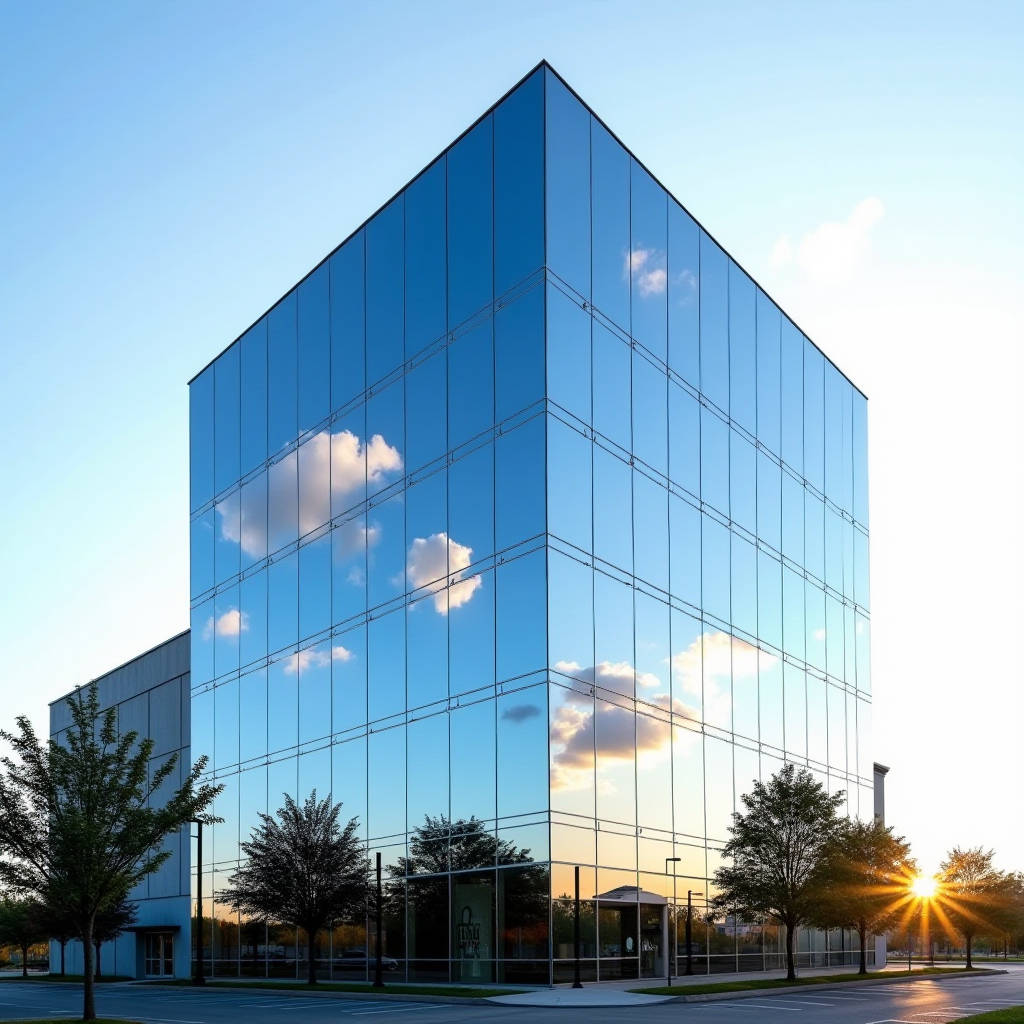
Mirror Aluminum Facade systems have reshaped what architects and building owners expect from reflective cladding. The idea is straightforward: a solid aluminum panel, typically 2.0mm to 3.0mm thick, finished with a mirror-grade surface that delivers the crisp reflectivity of glass without the weight, fragility, or thermal limitations. Unlike laminated mirror products that rely on polyethylene cores, a solid Mirror Aluminum Facade uses monolithic aluminum sheet throughout. This matters because the panel behaves as a single structural unit under wind load, thermal cycling, and moisture exposure. Over the past five years, demand for these facades has grown sharply across Southeast Asia, the Middle East, and North America. The reason is not purely aesthetic. Solid mirror aluminum panels solve a set of engineering problems that glass mirrors and composite alternatives cannot fully address: they handle higher design wind pressures, they eliminate delamination risk, and they support ventilated rainscreen detailing that improves whole-building energy performance. Getting the specification right, however, requires looking past the surface shine and into the metallurgy, coating chemistry, and installation logic that determine whether a Mirror Aluminum Facade performs for 15 years or 30.
How Mirror Aluminum Facade Panels Are Made
The reflective surface on a solid aluminum panel is not a film or a laminate. It is the result of a multi-stage finishing process applied directly to the aluminum substrate. The sequence typically starts with a 5000-series or 3000-series aluminum coil, selected for its combination of formability and corrosion resistance. The sheet is leveled, cut to blank size, and then routed or punched for any required openings before surface treatment begins.
Surface preparation is the step that separates a durable mirror finish from one that clouds within two years. The aluminum blank undergoes a chromate conversion coating or a chrome-free pretreatment that etches the surface at a microscopic level. This creates anchor points for subsequent coating layers. After pretreatment, the panel receives a base coat of PVDF (polyvinylidene fluoride) primer, typically in the 5-8 micron range. The mirror effect itself is achieved through a physical vapor deposition (PVD) process or a wet-coating technique using high-solids polyester or PVDF topcoats loaded with metallic pigments. In PVD-based mirror finishes, aluminum is vaporized in a vacuum chamber and deposited onto the panel surface in a layer measured in nanometers. The result is a true metallic mirror with reflectance values exceeding 85% across the visible spectrum.
For wet-coated mirror finishes, the approach is different. A series of tinted clear coats are applied over a highly polished metallic base, building depth and reflectivity. The total dry film thickness for a PVDF mirror system typically lands between 25 and 35 microns. This is thinner than the 40-45 micron standard for solid-color PVDF, because excessive film build can muddy the mirror clarity. The trade-off is that mirror finishes require tighter process control during coating and curing. Even minor dust contamination or oven temperature drift shows up as visible defects.
Solid Aluminum vs. Composite Mirror Panels: The Technical Divide
When a project specifies a Mirror Aluminum Facade, the first question the supply chain asks is whether the spec calls for solid aluminum or aluminum composite material. The distinction carries real consequences for fire performance, flatness, and long-term durability. Solid aluminum panels in the 2.5mm to 3.0mm range have no combustible core. Under ASTM E84 or EN 13501-1 testing, they achieve an A2-s1,d0 or Class A rating without relying on fire-retardant fillers. This is increasingly important in jurisdictions that have tightened facade fire safety codes after high-profile cladding fires.
Flatness is another differentiator. A 3.0mm solid aluminum panel, properly tensioned within its support frame, maintains surface planarity under thermal expansion and contraction far better than a 4mm composite panel with a polyethylene core. The reason is the coefficient of thermal expansion: solid aluminum expands and contracts uniformly through its thickness, while composite panels develop internal shear stresses at the core-to-skin interface. Over thousands of thermal cycles, those stresses can telegraph through as oil-canning or waviness, which is particularly visible on a mirror surface.
Weight is often cited as a reason to choose composite over solid. A 3.0mm solid aluminum panel weighs approximately 8.1 kg/m². A 4mm aluminum composite panel with 0.5mm skins weighs roughly 5.5 kg/m². The difference is real but manageable. Most curtain wall and rainscreen substructures designed for 4mm composite can accommodate 3.0mm solid panels with minor adjustments to bracket spacing. The engineering cost of that adjustment is typically offset by the elimination of fire-rated core upcharges and the longer service life of the solid panel system.
Specifying Reflectivity: What the Numbers Mean
Mirror Aluminum Facade panels are not all equally reflective. The key metric is total reflectance (TR), measured according to ASTM E903 or ISO 9050 across the solar spectrum. A high-quality mirror finish on solid aluminum typically achieves a visible light reflectance of 80-90% and a solar reflectance of 70-85%. These numbers have direct implications for building performance.
High solar reflectance reduces the cooling load on the building. A Mirror Aluminum Facade with 80% solar reflectance will reject roughly four-fifths of incoming solar radiation before it reaches the building envelope. In a ventilated rainscreen configuration, the cavity behind the panel acts as a thermal buffer. Air enters at the bottom of the cavity, picks up heat from the back of the panel, and exits at the top through convection. The combination of surface reflectivity and cavity ventilation can reduce the external surface temperature of the structural wall by 15-25°C under peak summer conditions. This translates to measurable reductions in chiller capacity and annual energy consumption.
Specifiers should request reflectance test reports from the panel manufacturer that cover both the visible and solar ranges. A panel that looks bright to the eye may still absorb significant near-infrared radiation, which drives heat gain. The full spectral curve tells the real story.
| Finish Type | Visible Light Reflectance | Solar Reflectance | Total DFT (microns) | Typical Warranty | Best Application |
|---|---|---|---|---|---|
| PVD Mirror (Solid Al) | 85-92% | 78-85% | N/A (nanometer-scale) | 15-20 years | Premium commercial facades, landmark buildings |
| PVDF Wet-Coat Mirror | 75-85% | 68-78% | 25-35 | 15-20 years | Mid-to-high-rise curtain walls, ventilated rainscreens |
| Polyester Mirror | 70-80% | 60-72% | 20-30 | 5-10 years | Interior cladding, soffits, sheltered areas |
| Anodized Mirror | 65-75% | 55-68% | 10-25 (anodic layer) | 10-15 years | Industrial buildings, transport hubs |
| Glass Mirror (reference) | 88-95% | 80-88% | N/A | Varies | Limited exterior use; fragile, heavy |
Wind Load Performance and Engineering Data
Solid aluminum panels used in Mirror Aluminum Facade applications must resist wind loads without excessive deflection or permanent deformation. The governing standard for aluminum panel design in most international projects is the Aluminum Association's Specification for Aluminum Structures, which provides allowable stress values for different alloy-temper combinations.
For a typical 3.0mm-thick 5052-H32 solid aluminum panel spanning 600mm between supports, the allowable wind pressure based on a deflection limit of span/90 is approximately 2.8 kPa. For a 2.5mm panel under the same span, the allowable pressure drops to roughly 1.9 kPa. These are design values that include a safety factor. The ultimate capacity is higher, but facade engineering practice limits deflection to preserve the visual quality of the mirror surface. Excessive deflection creates a curved mirror effect that distorts reflected images and can make the facade appear wavy.
Panel size is another variable. A 1.2m x 2.4m panel in 3.0mm solid aluminum weighs about 23.3 kg. The substructure must support this weight plus wind suction and pressure. The most common support system for solid Mirror Aluminum Facade panels is a carrier frame made of aluminum extrusions, fixed back to the structural wall or to a unitized curtain wall mullion. The panel is attached to the carrier frame using stainless steel clips, structural adhesive, or a combination of both. The attachment method must accommodate differential thermal movement between the panel and the frame. A 3-meter-long aluminum panel will expand by roughly 3.2mm across a 50°C temperature swing. If the attachment system does not allow that movement, the panel will buckle.
Corrosion Resistance and Coastal Suitability
Mirror Aluminum Facade panels specified for coastal or industrial environments need additional corrosion protection. The base aluminum alloy is the first line of defense. Alloys in the 5000 series, particularly 5052 and 5754, offer better resistance to salt spray than 3000-series alloys. The 5000-series contains magnesium, which forms a stable oxide layer that resists pitting in chloride-rich atmospheres.
The coating system provides the second line of defense. A PVDF coating system applied over a proper chromate conversion pretreatment has been tested to over 4,000 hours of salt spray exposure per ASTM B117 without blistering or loss of adhesion. For projects within 500 meters of a coastline, specifiers should require the panel manufacturer to provide salt spray test reports and to confirm that the cut edges of the panels are adequately protected. Edge corrosion starting at fastener holes or cutouts is a common failure mode that can spread under the coating and cause the mirror finish to delaminate.
Futeng® has supplied solid Mirror Aluminum Facade panels for several high-rise projects in Southeast Asian coastal cities, where the combination of salt, humidity, and intense UV exposure creates one of the most aggressive environments for architectural metal. The panels specified for those projects used 5052-H32 alloy with a 35-micron PVDF mirror coating system and stainless steel grade 316 fasteners throughout.
Thermal Performance and Energy Modeling
The energy performance of a Mirror Aluminum Facade can be quantified through whole-building energy modeling. The key input parameters are the solar reflectance of the panel surface and the thermal resistance of the ventilated cavity behind it. A rainscreen with a 50mm ventilated air cavity and 80mm of mineral wool insulation in the structural wall cavity can achieve a U-value of 0.25-0.30 W/m²K, depending on the framing system and thermal break details.
The solar reflectance of the mirror surface reduces the sol-air temperature, which is the effective external temperature that drives heat transfer through the wall. For a dark-colored facade with 30% solar reflectance, the sol-air temperature on a summer afternoon might reach 60°C. For a Mirror Aluminum Facade with 80% solar reflectance, the sol-air temperature under the same conditions would be closer to 40°C. The 20°C reduction in driving temperature cuts the conductive heat gain through the wall by roughly 30-40%, depending on insulation levels. This is a significant number when extrapolated across thousands of square meters of facade area and a 20-year building lifecycle.
ASHRAE 90.1 and similar energy codes recognize the benefit of high-reflectance wall surfaces. Some jurisdictions offer compliance credits for cool wall strategies, though the specific treatment varies by code version and climate zone. Design teams should engage an energy modeler early in schematic design to quantify the cooling load reduction attributable to the mirror facade and to ensure the credit is captured in the compliance documentation.
Installation Sequence and Quality Control
Installing a Mirror Aluminum Facade demands a higher standard of care than installing a matte or textured finish. The mirror surface reveals every irregularity in the substrate, every misaligned bracket, and every fingerprint left by handling. The installation sequence typically follows these steps:
- Substrate survey and bracket installation. The structural wall or curtain wall grid is surveyed for flatness. Brackets are set to a tolerance of ±2mm in plane. Any deviation beyond this will be visible as a distortion in the reflected image.
- Rail alignment. Vertical and horizontal carrier rails are fixed to the brackets. Alignment is checked with a laser level across the full facade area. The cumulative tolerance across a 10-meter run should not exceed 3mm.
- Panel handling and placement. Panels are transported to the installation area with protective film intact. Installers wear clean cotton gloves. The protective film is peeled back only at the attachment points during installation, and fully removed only after all adjacent panels are in place and the area is clean.
- Fastening and adjustment. Panels are secured using the specified clip or adhesive system. Joint widths are set to 10-15mm to accommodate thermal movement. The joints are visually checked for consistency from multiple viewing angles.
- Final inspection. The completed facade is inspected under diffuse natural light, not direct sunlight, to identify any distortions, scratches, or contamination. Defective panels are replaced before scaffolding is struck.
One common quality issue is the appearance of "ghosting" or haze on the mirror surface after the protective film is removed. This is usually caused by plasticizer migration from the film into the coating, accelerated by heat during storage or transport. Specifying a low-plasticizer protective film and requiring panels to be stored under shaded conditions can prevent this problem.
Cost Structure and Procurement Strategy
The cost of a Mirror Aluminum Facade breaks down into material, fabrication, substructure, and installation. For a solid 3.0mm PVDF mirror panel system, the material cost typically ranges from USD 85 to 140 per square meter, depending on panel size, complexity, and order volume. The substructure adds USD 30-55 per square meter. Installation labor varies widely by region but generally falls between USD 40 and 80 per square meter. The total installed cost for a solid Mirror Aluminum Facade system therefore runs from roughly USD 155 to 275 per square meter.
This is higher than the installed cost of a comparable composite mirror panel system, which typically ranges from USD 120 to 200 per square meter. The premium for solid aluminum reflects the higher material cost of the thicker aluminum sheet, the more demanding fabrication process, and the longer coating cycle times required for mirror finishes. The premium is most justifiable on projects where fire performance, flatness, or service life are critical decision factors. On a 30-year lifecycle cost basis, the solid panel system often comes out ahead because it avoids the re-coating or replacement costs that composite panels may incur after 15-20 years.
Procurement strategy matters. Ordering panels directly from a manufacturer with in-house coating and fabrication capabilities eliminates the margin stacking that occurs when separate coating and fabrication subcontractors are involved. It also centralizes quality responsibility. When a single supplier controls the aluminum, the pretreatment, the coating, and the fabrication, there is no room for finger-pointing if the mirror finish fails.
Maintenance and Long-Term Care
A Mirror Aluminum Facade requires regular cleaning to maintain its reflective appearance. The cleaning frequency depends on the local environment. In urban areas with moderate pollution, cleaning every 6-12 months is typical. In coastal or industrial areas, quarterly cleaning may be needed to prevent salt or chemical deposits from etching the surface.
The cleaning method is critical. Abrasive cleaners, scouring pads, and high-pressure washers set above 500 psi can damage the mirror coating. The recommended procedure is a low-pressure rinse with clean water, followed by gentle washing with a soft sponge or microfiber cloth and a pH-neutral detergent. The surface should be rinsed thoroughly with clean water and dried with a soft squeegee or microfiber cloth to prevent water spotting. Acidic or alkaline cleaners should be avoided unless specifically approved by the coating manufacturer.
Inspection should be part of the maintenance routine. Technicians should check for scratches, edge corrosion, sealant adhesion at joints, and any signs of coating delamination. Minor scratches can sometimes be polished out using a fine aluminum polish, but deep scratches that penetrate the coating layer will require panel replacement. The good news is that solid Mirror Aluminum Facade panels are individually replaceable. Unlike a unitized glass mirror wall, where replacing one panel can disturb adjacent units, solid aluminum panels in a rainscreen system can be removed and replaced without affecting the surrounding panels.
Design Considerations: Glare, Context, and Regulation
High reflectance is a double-edged property. A Mirror Aluminum Facade that reduces cooling loads and creates a striking visual effect can also generate glare that affects neighboring buildings, road users, or aircraft. Several jurisdictions have introduced limits on facade reflectance. The city of London, for example, requires glare assessments for buildings with reflective facades near major roads. Singapore's building regulations limit the visible light reflectance of external walls to 20% in some contexts, though this is rarely enforced against mirror aluminum panels in practice.
The design team should commission a glare study early in the design process. The study models the path of reflected sunlight from the facade at different times of day and year, identifying any sensitive receptors that might be affected. If glare hotspots are identified, mitigation strategies include adjusting the panel angle, introducing a subtle texture or pattern that breaks up the reflection, or specifying a slightly lower reflectance finish for the affected areas.
Context also matters aesthetically. A Mirror Aluminum Facade works best when the building and its surroundings are worth reflecting. A standalone building in a landscaped setting will reflect sky, trees, and clouds, creating a dynamic appearance that changes with the weather. A building in a dense urban canyon may reflect neighboring structures in ways that are visually chaotic. The design intent should consider what the facade will actually reflect from the viewpoints that matter most.
The specification of a Mirror Aluminum Facade is ultimately a decision that spans aesthetics, engineering, and long-term building performance. The solid aluminum panel platform offers a combination of fire safety, flatness, and durability that aligns with the expectations of institutional and commercial clients who plan on 30-year building lifecycles. The mirror finish itself, whether achieved through PVD or PVDF wet-coating, is a precision industrial product that rewards careful specification and punishes shortcuts. Getting the alloy, the pretreatment, the coating system, the attachment method, and the maintenance plan right is the difference between a facade that looks pristine after a decade and one that needs replacement after five years. The engineering data exists to support these decisions. The supply chain exists to deliver the panels. The remaining variable is the quality of the specification and the diligence of the installation team.