Anodizing Aluminum Cladding Alloy Selection Colour Matching and Specification Guide for Exterior Facades
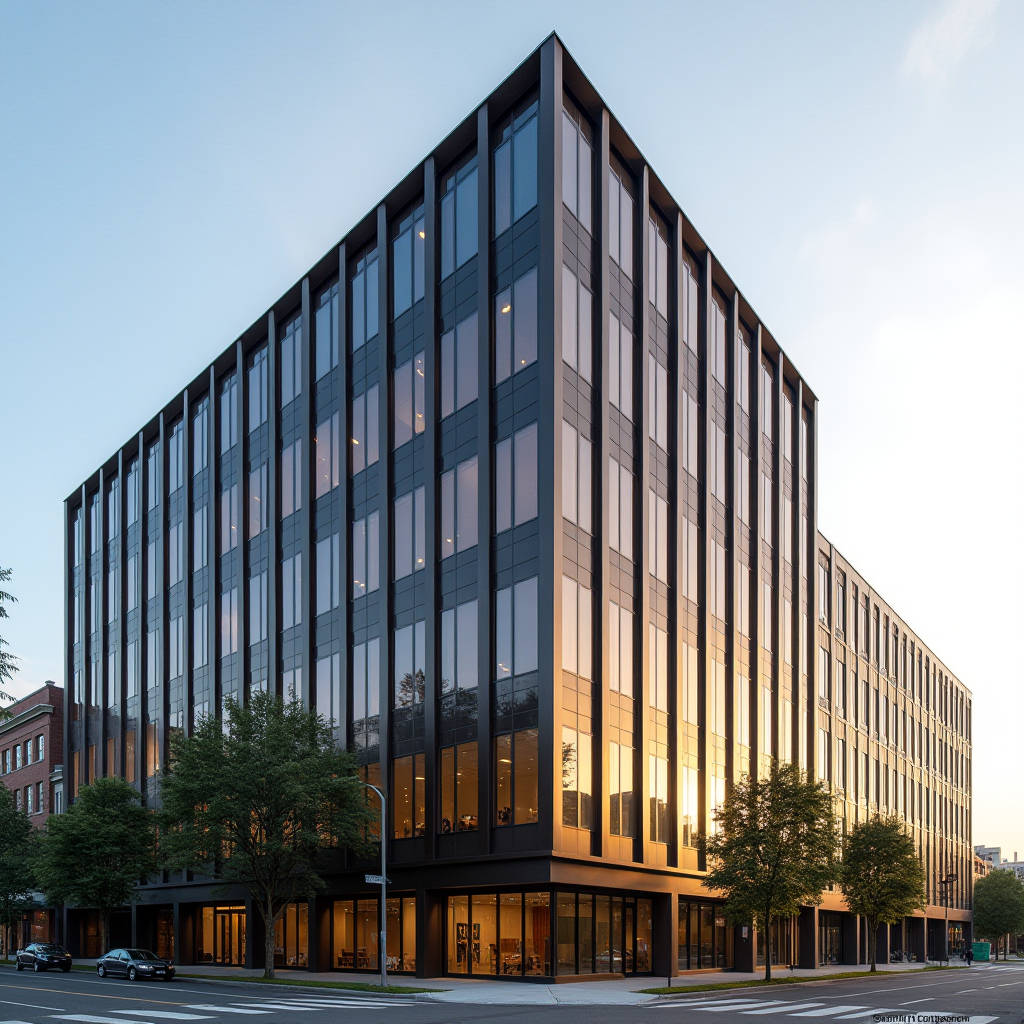
Anodizing aluminum cladding has become a decisive specification choice on high-visibility commercial facades, transport hubs, and cultural buildings where neither paint nor powder coating can match the combination of metallic depth, hardness, and decades-long colour stability. Unlike organic coatings that sit on top of the substrate, the anodic layer grows from the aluminium itself, typically to a thickness of 10 to 25 microns, forming an integral aluminium oxide ceramic that cannot peel, blister, or delaminate. This fundamental difference explains why specifiers who have managed buildings through 20 or 30 years of coastal exposure, acid rain, and UV bombardment keep returning to anodized solid aluminium panels. The conversation around anodizing aluminum cladding has shifted in recent years, driven by tighter fire safety codes, longer warranty expectations, and a growing recognition that not all anodized finishes deliver the same performance. Getting the specification right means understanding alloy selection, pretreatment chemistry, colour-matching limitations, and the real cost of rectifying a batch that does not match on site.
What Actually Happens During the Anodizing Process
Anodizing is an electrochemical process that converts the aluminium surface into a porous, crystalline oxide layer. The panel is immersed in an acid electrolyte bath, typically sulphuric acid, and a direct current is passed through it. The aluminium acts as the anode, hence the term anodizing. Oxygen ions migrate to the surface and react with the aluminium atoms, building a controlled oxide film from the substrate outward. This is not a coating applied on top; it is a transformation of the base metal itself. The resulting structure is a honeycomb-like array of hexagonal pores perpendicular to the surface, which can then be sealed or coloured before sealing.
The standard anodic film thickness for exterior architectural cladding falls between 15 and 25 microns, governed by AAMA 611-14 Class I and Class II designations. Class I, at 18 microns minimum, is the default for exterior facades in North America and much of the Middle East. European projects often reference ISO 7599, which sets similar film thickness requirements. The critical point for specifiers is that film thickness directly correlates with corrosion resistance and colour fastness. A panel with 12 microns of anodic film will not perform the same as one with 20 microns, even if both are described as anodized on the datasheet.
Alloy Selection: The Decision That Determines Everything
Not all aluminium alloys anodize well. The 5xxx series, particularly 5005 and 5052, delivers the best results for architectural cladding because the magnesium content produces a clear, bright oxide layer with minimal greyness. The 3xxx series, notably 3003, is also widely used and anodizes reasonably well, though it can exhibit a slightly warmer, more yellowish tone in clear anodized finishes. The 6xxx series extrusions, such as 6063, are common for framing and mullions but can show a noticeable grey cast when anodized, which becomes problematic when solid panels and extrusions must match on the same facade.
Specifiers who demand a uniform metallic appearance across panels, window frames, and louvres should mandate alloy consistency from the outset. A facade that mixes 5005 panels with 6063 extrusions will show visible colour variation under direct sunlight, regardless of how carefully the anodizing bath is controlled. This is not a manufacturing defect; it is a material property. The most demanding projects specify 5005-H14 or 5005-H34 for all visible cladding panels, accepting the slight cost premium over 3003 in exchange for superior colour uniformity and corrosion resistance. Futeng® has supplied 5005 alloy anodized panels on multiple coastal projects where the combination of salt spray and high UV exposure made alloy selection non-negotiable.
Colour Range, Matching, and the Batch Problem
The colour palette for anodizing aluminum cladding is fundamentally different from PVDF or powder coating. Anodized colours are produced by two methods: electrolytic colouring, where metal salts are deposited into the pore structure before sealing, or organic dye absorption, where colourants fill the pores. Electrolytic colouring produces the classic champagne, bronze, and black tones that dominate commercial architecture. These colours are exceptionally stable because the metal pigments are locked within the oxide structure. Organic dyes offer a wider spectrum, including golds, blues, and reds, but their UV resistance is inferior and they are generally not recommended for exterior cladding without rigorous accelerated weathering data.
Batch-to-batch colour consistency is the single greatest operational challenge in anodizing aluminum cladding. Variables including alloy temper, bath chemistry, current density, bath temperature, and sealing time all influence the final colour. Even with tight process controls, a Delta E of 1.5 to 2.0 between batches is considered commercially acceptable, whereas PVDF coatings routinely achieve Delta E below 1.0. For large facades, the practical solution is to order all panels for a single elevation from the same production batch, and to produce a physical range sample set showing the acceptable colour variation limits before full production begins. This range panel, signed off by the architect and contractor, becomes the contractual reference standard.
Electrolytic vs. Organic Colour: A Practical Comparison
| Property | Electrolytic Colouring | Organic Dye Colouring |
|---|---|---|
| Colour range | Champagne, bronze, black, stainless steel tones | Wide spectrum including gold, blue, red, green |
| UV resistance | Excellent; colour stable for 30+ years outdoors | Moderate; fading risk in direct sun within 10-15 years |
| Colour fastness rating | AAMA 611 compliant for exterior use | Requires additional testing; often interior only |
| Batch consistency | Good; Delta E typically 1.5-2.0 | Variable; can exceed Delta E 3.0 |
| Cost premium vs. clear anodized | 15-25% | 10-20% |
| Recommended application | Exterior facades, curtain walls, spandrels | Interior feature walls, soffits, decorative elements |
Sealing Quality: The Hidden Variable in Service Life
After colouring, the porous oxide layer must be sealed to close the pores and lock in corrosion resistance. Hot water sealing, nickel acetate sealing, and cold sealing are the three dominant methods. Hot water sealing at 96-100°C hydrates the aluminium oxide, swelling the pore walls shut. This method is widely used and produces a chemically stable surface, but it requires precise temperature control. Nickel acetate sealing adds a nickel hydroxide precipitate inside the pores, improving corrosion resistance further, particularly in marine environments. Cold sealing uses nickel fluoride solutions at room temperature and is faster and cheaper, but the seal quality is generally inferior to hot sealing for exterior applications.
Sealing quality is measured by the ISO 2143 acid dissolution test or the ASTM B680 seal quality test. A properly sealed anodic film should show weight loss of less than 30 mg/dm² in the ISO 2143 test. Specifiers should request sealing quality certificates for each production batch, particularly for projects within 5 km of a coastline or in industrial zones with elevated sulphur dioxide levels. Poor sealing is the most common cause of premature anodized cladding failure, manifesting as chalky surface deposits, staining, and pitting within the first 5 to 10 years.
Fire Performance and the A1 Rating Advantage
Solid aluminium cladding panels with anodized finishes carry an A1 or A2-s1,d0 fire classification under EN 13501-1, depending on the specific alloy and any backing materials. The anodic oxide layer itself is non-combustible and does not contribute to flame spread or smoke generation. This is a significant advantage in jurisdictions that have tightened fire regulations for facade materials since the Grenfell Tower fire. The UK, Australia, and several Middle Eastern countries now mandate non-combustible materials for buildings above 18 metres, and anodized solid aluminium panels meet these requirements without the need for fire-retardant core materials or additional treatments.
Specifiers should confirm that the entire panel assembly, including any stiffeners, brackets, and insulation, achieves the required fire classification. The aluminium panel itself is non-combustible, but a system with combustible insulation or plastic mounting clips can compromise the overall rating. The anodized finish does not alter the base metal's fire performance, which is a key distinction from some organic coatings that can contribute to flame spread in the early stages of a fire.
Surface Preparation and Handling: Where Most Site Problems Begin
Anodized panels are unforgiving of poor handling. The oxide layer is hard, typically 250-350 HV on the Vickers scale, which makes it highly scratch-resistant compared to paint. However, it is also brittle at the micro level, and sharp impacts can cause micro-cracking that becomes visible as a white mark or haze. Site crews accustomed to PVDF-coated panels, which can tolerate minor scuffs that are polished out, must be retrained for anodized material. Once the anodic layer is damaged, it cannot be repaired on site. The panel must be replaced.
Cleaning during installation is equally critical. Alkaline construction materials, including wet mortar, cement dust, and some sealants, will etch the anodic surface if left in contact for more than a few hours. The recommended practice is to apply a protective peel-off film at the factory, remove it only after all wet trades are complete, and wash the facade with a pH-neutral cleaner and deionized water. Aggressive acidic or alkaline cleaners will attack the seal and shorten the service life of the finish.
Cost Structure: Anodizing vs. PVDF vs. Powder Coating
The cost of anodizing aluminum cladding sits between PVDF liquid coating and high-performance powder coating on a per-square-metre basis, but the total cost of ownership calculation often favours anodizing for long-life buildings. The table below compares the key cost and performance variables that matter to quantity surveyors and facade contractors.
| Cost Factor | Anodizing (Class I, 20μm) | PVDF Liquid Coating (3-coat, 35μm) | Super Durable Powder (60μm) |
|---|---|---|---|
| Finish cost per m² (indicative) | $28-42 | $35-55 | $22-35 |
| Typical service life (exterior) | 30-40 years | 25-35 years | 20-30 years |
| Colour consistency warranty | 10-15 years (electrolytic) | 15-20 years | 10-15 years |
| Scratch resistance (pencil hardness) | 9H (oxide layer) | H-2H | H-2H |
| On-site repairability | Not repairable | Touch-up possible | Touch-up possible |
| UV degradation mechanism | Negligible (inorganic oxide) | Resin chalking over decades | Resin chalking over decades |
| Marine environment suitability | Excellent with proper sealing | Good with high-performance resin | Moderate |
| Recycling compatibility | Fully recyclable; oxide burns off | Requires coating removal | Requires coating removal |
Panel Size, Flatness, and the Anodizing Constraint
Anodizing imposes practical limits on panel dimensions. The process requires full immersion in chemical baths, and the tank size at the anodizing facility determines the maximum panel that can be processed. Standard architectural anodizing lines accommodate panels up to 2,000 mm by 4,000 mm, though some specialist facilities can handle 2,500 mm by 6,000 mm. Larger panels require custom tank arrangements or must be fabricated from multiple smaller sheets, introducing visible joints that may not be acceptable to the architect.
Flatness is another consideration. Solid aluminium panels at 2.0 mm, 2.5 mm, or 3.0 mm thickness will exhibit some degree of oil-canning, the waviness that becomes visible under raking light. Anodized finishes, with their high reflectivity and metallic sheen, can make oil-canning more apparent than a matte PVDF or textured powder finish. The solution is to specify an appropriate panel thickness for the span and to use properly designed stiffeners on the rear face. A 2.5 mm panel with a 600 mm stiffener spacing will generally perform better than a 2.0 mm panel with 800 mm spacing, and the cost difference is modest relative to the total facade budget.
Weathering, Maintenance, and the Long View
Anodized aluminium cladding weathers differently from painted surfaces. Over decades, the oxide layer undergoes a very gradual hydration and subtle colour shift, particularly in the first 12 to 18 months of exposure. This is a natural stabilisation process, not a defect. Architects who have specified anodized aluminium on multiple projects know to expect this initial mellowing and to plan for it in the colour selection. A dark bronze anodized panel will lighten very slightly, and a clear anodized panel will develop a warmer tone as the oxide matures.
Maintenance is straightforward but not zero. The facade should be washed every 12 to 24 months with clean water and a mild, pH-neutral detergent to remove accumulated atmospheric deposits. In coastal environments, more frequent rinsing is recommended to prevent chloride buildup in sheltered areas where rain does not naturally wash the surface. The key advantage over painted finishes is that anodized aluminium does not chalk, so the washing water runs clear rather than carrying away degraded resin. This is a tangible benefit for buildings where facade runoff staining onto adjacent surfaces is a concern.
Specification Checklist for Anodizing Aluminum Cladding
Writing a tight specification for anodizing aluminum cladding requires attention to details that are often buried in the notes section of a finish schedule. The following checklist covers the critical points that should appear in every exterior anodized cladding specification:
- Alloy grade: Specify 5005-H14 or 5005-H34 for best colour uniformity and corrosion resistance. Accept 3003-H14 only if colour consistency is not critical.
- Anodic film thickness: Minimum 18 microns (AAMA 611 Class I) for exterior. Increase to 20-25 microns for marine or industrial environments.
- Colouring method: Electrolytic only for exterior applications. Organic dyes permitted only with 5,000-hour QUV test data and client approval.
- Sealing method: Hot water or nickel acetate sealing. Cold sealing not acceptable for exterior cladding.
- Seal quality: Maximum 30 mg/dm² weight loss per ISO 2143. Test certificates per batch.
- Range samples: Physical range panel set showing upper and lower colour limits, signed by all parties.
- Protective film: Factory-applied peelable film, UV-stable for minimum 6 months outdoor storage.
- Fire classification: A2-s1,d0 or better per EN 13501-1 for the complete panel assembly.
- Panel thickness: Minimum 2.5 mm for panels exceeding 600 mm in any dimension. 3.0 mm for panels exceeding 1,200 mm.
- Warranty: 15-year minimum on colour fastness and film integrity for electrolytically coloured anodized finishes.
When Anodizing Is the Wrong Choice
Anodizing aluminum cladding is not a universal solution. Projects with tight budgets and short construction timelines may find the batch consistency challenges and longer lead times difficult to manage. Buildings with complex, multi-angled facades where panels are viewed from dramatically different angles will show colour variation that is inherent to the metallic finish, not a defect. Sites with heavy construction traffic and multiple trades working simultaneously pose a high risk of damage to anodized panels that cannot be repaired. In these situations, a high-quality PVDF coating may be the more practical specification, even if it sacrifices some of the metallic depth and hardness that anodizing delivers.
The decision should be driven by the project's priorities: if the brief calls for a 40-year facade with minimal maintenance, a natural metallic aesthetic, and non-combustible credentials, anodizing aluminum cladding in solid aluminium panels is the reference standard. If the brief prioritises a specific RAL or Pantone colour match, rapid installation, and on-site repairability, then a painted finish is the more appropriate choice. The best specification decisions come from understanding what each finish technology can and cannot do, rather than treating them as interchangeable options on a cost comparison spreadsheet.
Anodized aluminium does not reveal its quality on the day of handover. It reveals it 15 years later, when the colour is still even, the surface is still hard, and the maintenance log shows nothing more than routine washing.
The specification of anodizing aluminum cladding rewards those who invest time in understanding the material science behind the finish. Alloy selection, anodic film thickness, colouring method, sealing quality, and handling protocols are not footnotes in the specification; they are the specification. Projects that treat these variables seriously, and that engage with suppliers who can demonstrate process control through batch testing and range samples, will get a facade that performs for decades. The projects that treat anodizing as just another finish option on a dropdown menu are the ones that end up with colour mismatches, premature corrosion, and costly replacement programmes. The difference between these two outcomes is determined before the first panel enters the anodizing bath.