GRS Certified Cladding Wall Panels What 50 Percent Recycled Content Actually Demands
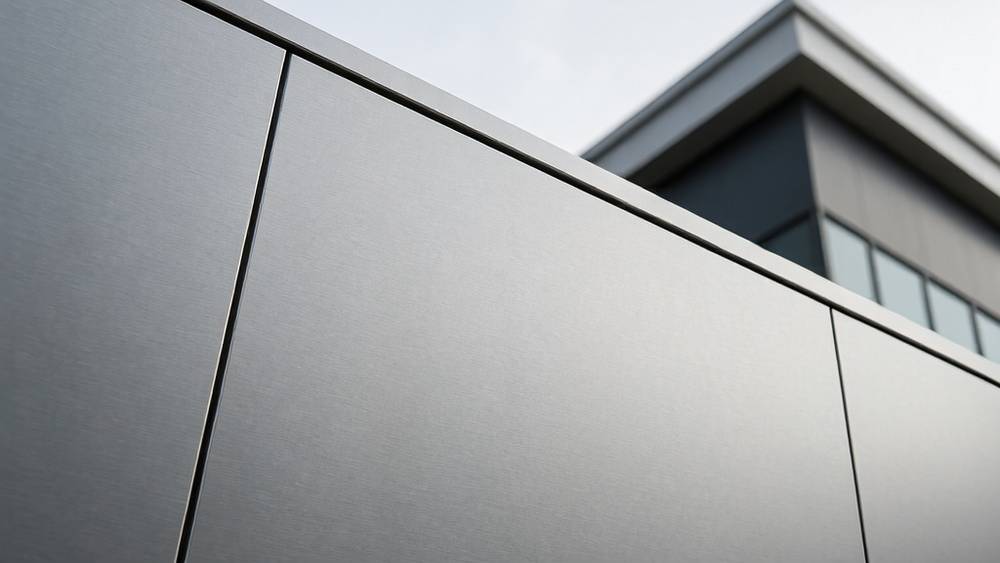
When a project specifies cladding wall panels with a Global Recycled Standard (GRS) certification, procurement teams face a supply chain puzzle that goes far beyond checking a box on a specification sheet. GRS certification demands independent verification at every stage — from raw material sourcing through final fabrication — with a minimum 50% recycled content threshold. For solid aluminium cladding wall panels, this means the mill, the rolling plant, the fabricator, and even the coating applicator must all fall within a certified chain of custody. The standard also imposes social, environmental, and chemical compliance requirements that eliminate many low-cost suppliers immediately. Understanding what GRS actually verifies, where the costs land, and how to validate supplier claims before committing to a purchase order is the difference between a project that earns its sustainability credentials and one that carries nothing more than a marketing label.
What GRS Certification Actually Requires for Aluminium Cladding Wall Panels
The Global Recycled Standard, administered by Textile Exchange, has been adopted across multiple material industries including architectural metals. For cladding wall panels manufactured from solid aluminium, GRS certification imposes four distinct layers of verification that most project specifications overlook.
First, the recycled content threshold. GRS requires a minimum of 50% recycled material in the finished product, verified through transaction certificates at each custody transfer. For aluminium, this typically means post-industrial scrap from rolling operations, post-consumer scrap from end-of-life building products, or a blend of both. The standard distinguishes between pre-consumer and post-consumer sources — a distinction that matters when projects pursue LEED v4.1 credits, which assign different weighting to each type.
Second, the chain of custody requirement. Every entity that handles the material must hold valid GRS scope certification. For solid aluminium cladding wall panels, this chain starts at the aluminium smelter or remelter, passes through the rolling mill, then to the fabricator who cuts, routs, and forms the panels, and finally to the coating applicator if powder or PVDF finishes are applied. A single break in this chain invalidates the certification.
Third, the social criteria. GRS mandates compliance with International Labour Organization core conventions — no forced labour, no child labour, freedom of association, and non-discrimination. For procurement managers sourcing cladding wall panels from regions where labour practices vary widely, this requirement alone can disqualify factories that otherwise meet technical specifications.
Fourth, the chemical restrictions. GRS limits hazardous substances in both the product and the manufacturing process. For aluminium cladding wall panels, this most commonly affects pretreatment chemicals used before coating — chromate conversion coatings, long standard in architectural aluminium, conflict with GRS chemical requirements and must be replaced with chrome-free alternatives.
The Cost Structure Behind GRS-Certified Solid Aluminium Panels
GRS certification reshapes the cost equation for cladding wall panels in ways that procurement teams who have only purchased conventional aluminium may not anticipate. The premium is not a single line item but a cumulative effect across the supply chain.
Recycled aluminium billet, the starting material, typically trades at a 5-8% discount to primary billet on commodity markets. However, the certified segregation required by GRS erases that advantage. Certified remelters must isolate GRS-eligible scrap, run dedicated production campaigns, and maintain separate inventory — all adding roughly 3-5% to the billet cost compared to uncertified secondary aluminium. By the time the material reaches the rolling mill, the cost is comparable to or slightly above primary aluminium.
At the fabrication stage, GRS-compliant cladding wall panels require segregated production lines or thorough clean-down procedures between certified and non-certified runs. For a fabricator running multiple projects simultaneously, this reduces throughput and adds labour hours. Typical fabrication cost increases range from 8-12% over equivalent non-certified panels.
Coating presents another layer. Chrome-free pretreatment systems — required for GRS compliance — are well-established but cost approximately 15-20% more per square metre than conventional chromate systems. Combined with the administrative burden of transaction certificate management and annual third-party audits, the all-in cost premium for GRS-certified solid aluminium cladding wall panels typically lands between 15% and 25% above standard architectural aluminium panels, depending on project scale and location.
| Cost Component | Conventional Aluminium Panels | GRS-Certified Aluminium Panels | Premium (%) |
|---|---|---|---|
| Raw billet (per tonne) | Base secondary billet pricing | Certified segregated billet | +3 to 5% |
| Rolling and mill processing | Standard production runs | Dedicated or cleaned-down runs | +2 to 4% |
| Fabrication (cutting, routing, forming) | Continuous production | Segregated batches, reduced throughput | +8 to 12% |
| Surface pretreatment | Chromate-based conversion | Chrome-free pretreatment system | +15 to 20% |
| Coating application (PVDF/powder) | Standard application | Standard application | No significant difference |
| Transaction certificates and audits | Not required | Annual audit + per-batch TC | +1 to 3% of project value |
| Estimated total premium | Baseline | GRS-compliant | +15 to 25% |
How to Validate GRS Claims Before Signing a Purchase Order
Supplier claims about GRS-certified cladding wall panels are easy to make and harder to verify. The Textile Exchange maintains a public database of certified organisations, but navigating it requires understanding how GRS scope certificates work in practice.
Every GRS-certified entity receives a scope certificate listing the specific activities covered. A fabricator certified for "cutting and forming of aluminium sheets" cannot claim GRS compliance for coating operations unless those are also listed. The certificate also specifies the product categories — a company certified for aluminium extrusions does not automatically qualify for cladding wall panels made from sheet aluminium.
The first verification step is to request the supplier's scope certificate number and cross-check it against the Textile Exchange's online directory. The certificate should list "aluminium sheet" or "architectural aluminium panels" under product categories and include all processing steps the supplier performs. If coating is subcontracted, the coater must hold their own GRS scope certificate.
Transaction certificates tell the story of a specific batch. For each shipment of GRS-certified cladding wall panels, the supplier must provide a transaction certificate that traces the material back through every certified entity in the chain. Buyers should review these certificates against the purchase order quantities — the sum of certified material across all transaction certificates cannot exceed what was actually produced. Discrepancies in mass balance calculations are the most common red flag in GRS audits.
On-site verification matters as well. A supplier genuinely running GRS-compliant cladding wall panels should be able to demonstrate physical segregation of certified and non-certified inventory, documented clean-down procedures between production runs, and training records showing that staff understand the handling requirements. A factory tour that reveals mixed inventory with no visible separation system should raise immediate questions about the integrity of certification claims.
Where GRS-Certified Aluminium Cladding Wall Panels Deliver Real Project Value
The 15-25% cost premium for GRS-certified cladding wall panels only makes sense when the certification aligns with specific project requirements. Understanding where the value materialises — and where it does not — helps procurement teams allocate budget effectively.
LEED v4.1 projects benefit most directly. GRS certification satisfies the "Extended Producer Responsibility" option under the Building Product Disclosure and Optimization — Sourcing of Raw Materials credit. Combined with the recycled content contribution, GRS-certified cladding wall panels can contribute to two separate LEED credits simultaneously. For projects targeting Gold or Platinum certification, this dual contribution often justifies the premium on its own.
BREEAM projects follow a similar logic. Under BREEAM International New Construction 2016, GRS-certified products support the Mat 03 Responsible Sourcing credit. The standard recognises third-party certified supply chains, and GRS falls within the recognised schemes. For projects in Europe and markets where BREEAM is the dominant rating system, GRS-certified cladding wall panels provide a documented pathway to credit achievement.
Government and institutional projects increasingly specify minimum recycled content thresholds in tender documents. In Australia, the Infrastructure Sustainability Council rating scheme drives demand for verified recycled content. In the European Union, the Construction Products Regulation's push toward circular economy principles is creating similar requirements. For suppliers like Futeng®, maintaining GRS certification across their solid aluminium cladding wall panels product line means being able to respond to these tenders without scrambling for documentation at the submission deadline.
Where GRS certification delivers less value is on projects without a sustainability rating target. The premium does not translate into measurable performance improvements — a GRS-certified 3.0mm PVDF-coated panel performs identically to a non-certified equivalent in terms of wind load resistance, weathering, and fire performance. For cost-driven projects, the money is better allocated to technical specifications that directly affect building performance.
Common Procurement Pitfalls with GRS-Certified Aluminium Cladding
Procurement teams new to GRS-certified cladding wall panels encounter several recurring problems that delay projects and inflate costs beyond initial estimates.
The most frequent mistake is assuming that GRS certification transfers automatically between product forms. A supplier certified for aluminium coil does not necessarily hold certification for fabricated cladding wall panels. The scope certificate must match the exact product being purchased. When a project specifies GRS-certified panels and the procurement team accepts a certificate covering only the raw coil, the entire cladding package loses its certified status.
Lead time underestimation causes schedule disruptions. GRS-certified cladding wall panels require dedicated production slots, and not every fabricator runs certified campaigns continuously. A factory that delivers standard panels in 4-6 weeks may need 8-12 weeks for a GRS-certified run, depending on when the next certified campaign is scheduled. Procurement teams should confirm the production calendar before committing to delivery dates.
Minimum order quantities for certified runs can be prohibitive. Many fabricators require a minimum of 500-1,000 square metres to justify the setup and clean-down costs of a GRS-certified production campaign. For small facade elements or renovation projects requiring less material, the effective cost per square metre can spike far beyond the 25% upper range of typical premiums.
Documentation gaps at project closeout create compliance risk. GRS requires that transaction certificates be retained and traceable. If the installing contractor does not maintain the paper trail, the sustainability consultant cannot verify the certified content during the rating system submission. Procurement contracts should explicitly require the contractor to preserve and hand over all GRS documentation as part of the closeout package.
Specifying GRS-Certified Solid Aluminium Cladding Wall Panels in Tender Documents
A specification that simply states "GRS-certified aluminium cladding wall panels" is insufficient to ensure compliant delivery. Effective tender language addresses the full scope of the requirement and closes common loopholes.
The specification should name the specific standard version. GRS Version 4.0, released in 2023, introduced changes to chemical management and social criteria. Referencing "Global Recycled Standard (GRS) Version 4.0" eliminates ambiguity about which requirements apply.
The recycled content minimum should be stated explicitly even though GRS requires 50%. Some suppliers offer GRS-certified products with exactly 50% recycled content, while others can provide 70% or higher from post-consumer sources. If a project's sustainability targets require specific recycled content levels for LEED or BREEAM calculations, those thresholds should appear in the specification alongside the GRS requirement.
Chain of custody documentation requirements must be spelled out. The specification should mandate that the supplier provide a valid GRS scope certificate covering all processing steps, transaction certificates for each delivered batch, and a declaration of recycled content percentage broken down by pre-consumer and post-consumer sources. Requiring these documents at the submittal stage — not at closeout — allows the design team to verify compliance before panels are fabricated.
For projects following the Textile Exchange GRS standard, the specification should also reference relevant performance standards for the aluminium itself — EN 485 for sheet tolerances, AAMA 2605 for PVDF coating performance, and the applicable fire test standards for the project jurisdiction — to ensure that sustainability requirements do not inadvertently compromise technical performance.
Key Specification Clauses for GRS-Certified Aluminium Cladding
- Solid aluminium cladding wall panels shall be fabricated from sheet conforming to EN 485-1 and EN 485-2 tolerance requirements
- All aluminium sheet shall be certified to Global Recycled Standard (GRS) Version 4.0 with minimum 50% recycled content
- Supplier shall hold valid GRS scope certificate covering aluminium sheet fabrication and all applied finishing processes
- Transaction certificates shall be provided for each shipment batch, documenting the full chain of custody from certified remelter to fabricator
- Pretreatment shall use chrome-free conversion coating systems compliant with GRS chemical requirements
- Recycled content declaration shall separately identify pre-consumer and post-consumer percentages
- All GRS documentation shall be submitted for design team review prior to fabrication commencement
Regional Availability and Supply Chain Realities
The global supply of GRS-certified cladding wall panels is unevenly distributed. Understanding regional availability helps procurement teams set realistic expectations and avoid last-minute sourcing crises.
European fabricators lead in GRS-certified aluminium cladding wall panels, driven by EU regulatory pressure and BREEAM market demand. Mills in Germany, Italy, and Spain have integrated GRS certification into their standard offering for architectural aluminium, and multiple fabricators in these countries maintain continuous certified production capabilities. Lead times for European-sourced GRS panels typically run 8-10 weeks for standard finishes.
North American supply is growing but remains more limited. Several major aluminium rolling mills hold GRS certification, but the number of fabricators offering certified cladding wall panels is smaller than in Europe. Projects in North America should expect 10-14 week lead times and may need to consider importing from European sources for larger volumes.
Asian supply presents a mixed picture. Chinese aluminium production capacity is enormous, and several mills have pursued GRS certification specifically to access European and Australian markets. However, fabricator-level certification is less common, and procurement teams should exercise particular diligence in verifying the scope certificates of Asian suppliers. The social criteria of GRS — particularly around labour practices — require more thorough verification in regions where enforcement varies.
For projects in markets without established GRS supply chains, the practical options are to extend lead times to accommodate import logistics, to aggregate demand across multiple projects to meet minimum order quantities, or to consider alternative sustainability documentation approaches such as ISO 14021 self-declared environmental claims backed by third-party verification, which some rating systems accept as equivalent evidence.
The recycled content supply chain for aluminium has matured significantly over the past decade. Aluminium's infinite recyclability — the material can be remelted repeatedly without degradation — makes it inherently suited to circular economy requirements. The International Aluminium Institute estimates that approximately 75% of all aluminium ever produced remains in use today, representing an enormous pool of potential recycled feedstock. GRS certification provides the verification framework to turn that inherent recyclability into documented, auditable sustainability claims for cladding wall panels.
GRS-certified solid aluminium cladding wall panels represent a specific intersection of material performance and documented sustainability. The certification adds cost and complexity, but for projects where rating system credits, tender requirements, or organisational sustainability commitments demand verified recycled content, the framework delivers audit-grade traceability that self-declared claims cannot match. The key to successful procurement is treating GRS as a supply chain management exercise — verifying scope certificates, planning for extended lead times, budgeting for the real premium, and building documentation requirements into contracts from day one. When these elements are managed proactively, GRS-certified cladding wall panels deliver exactly what they promise: independently verified recycled content in a product that performs identically to conventional architectural aluminium.