How PVDF Coating Thickness and Test Data Determine the Service Life of an Aluminium Panel Facade
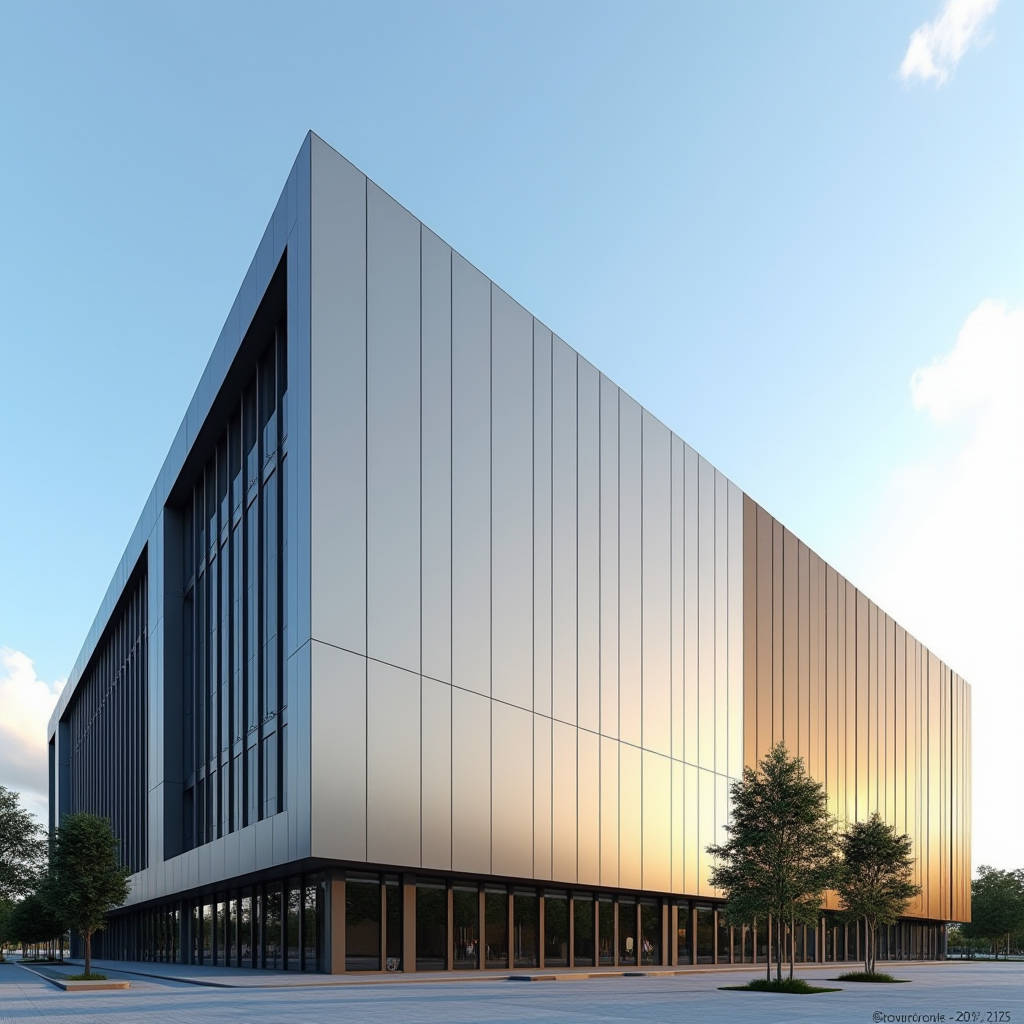
When a specifier chooses an aluminium panel facade, the decision usually comes down to one variable that overrides aesthetics: long-term coating performance. A solid 2.0 mm or 3.0 mm aluminium sheet can hold its geometry for decades, but the PVDF film thickness, the primer chemistry, and the finish category decide whether that facade still looks acceptable after ten, twenty, or thirty years of UV, salt, and acid rain exposure. This article walks through the coating systems available on solid aluminium cladding panels, the measurable performance differences between them, and the practical test data that should drive your specification. We will also cover how to verify a supplier's coating claims before you commit to a procurement order, because a facade is only as durable as the film that protects it.
Why the Coating, Not the Metal, Sets the Service Life
Solid aluminium cladding panels are milled from 3003 or 5005 series alloys, and the bare metal itself is already corrosion resistant. The coating layer, however, is what protects the panel from the specific environmental attacks that cause visual and structural degradation. A PVDF (polyvinylidene fluoride) finish, applied at the correct dry film thickness, can outlast a powder coat by a wide margin. The difference shows up in three measurable areas: gloss retention, chalk resistance, and adhesion under thermal cycling.
Architects often specify an aluminium panel facade based on the colour chip alone, but the coating chemistry underneath determines whether that colour stays true. The industry benchmark for high-performance exterior finishes is a 70% PVDF resin system, which delivers the longest warranty periods and the best resistance to UV and chemical attack. Lower-cost polyester or powder coatings are fine for interior use, but they should not be specified for a rainscreen facade that faces direct sun for most of the day.
Coating Systems Compared for Exterior Facades
Three main coating families dominate the solid aluminium cladding market. Each one has a different cost profile, a different expected service life, and a different set of environmental limitations. The table below summarises the practical differences that matter during specification and procurement.
| Coating System | Resin Content | Typical DFT (dry film thickness) | Gloss Retention (10 yr) | Expected Exterior Life | Relative Cost |
|---|---|---|---|---|---|
| Polyester (PE) | 50% | 25–30 µm | ~50% | 5–8 years | Low |
| Powder coating | Thermoset | 60–80 µm | ~60% | 8–12 years | Medium |
| PVDF (70% Kynar 500) | 70% | 25–30 µm (two coats) or 35–40 µm (three coats) | 80%+ | 20–30 years | High |
| PVDF + anti-graffiti clear coat | 70% + clear | 35–45 µm total | 80%+ | 20–30 years | Highest |
Note that a thicker powder coat does not automatically outperform a thinner PVDF film. The chemical backbone of PVDF is what resists UV degradation, not the sheer thickness of the film. A 25 µm PVDF film will outperform a 70 µm polyester powder coat in gloss retention and chalk resistance because the polymer itself is more stable under sunlight.
Reading the Test Data Behind the Warranty
Every credible coating supplier will reference the same accelerated weathering tests, and you should know how to read them. The most common standard is ASTM D2244, which measures colour change (ΔE) and gloss retention after exposure in a QUV or Xenon arc weathering chamber. A high-performance PVDF finish should hold ΔE below 2.0 after 2,000 hours of accelerated exposure, and gloss retention should stay above 70%.
Salt spray testing per ASTM B117 is another figure that gets quoted frequently. For a coastal project, you want a coating that passes 1,000 hours of salt spray with no blistering or loss of adhesion. The primer chemistry matters here just as much as the topcoat. A chromate or chromium-free conversion coating on the aluminium surface, followed by a corrosion-inhibiting primer, is what keeps the film bonded to the metal when chloride ions attack the cut edges and fastener locations.
Adhesion testing under thermal cycling is the third metric that separates good coatings from poor ones. Panels expand and contract as the sun heats and cools the facade, and the coating must flex with the metal without cracking. The industry reference is ASTM D3359 tape adhesion, but a more demanding test is a thermal cycle test that alternates between extreme heat and cold while monitoring for micro-cracking. A solid aluminium panel facade specified for a desert climate should be validated against this kind of cycling data.
Coastal and High-UV Environments Demand More Than a Topcoat
If the project sits within five kilometres of the coast, or above 1,500 metres of altitude where UV intensity is higher, the specification needs to change. Standard two-coat PVDF systems are adequate for most urban sites, but marine environments warrant a three-coat system with an additional clear topcoat. The clear coat adds a sacrificial layer that protects the pigmented PVDF from the combined attack of salt and UV, and it also makes the surface easier to clean of salt deposits and airborne pollutants.
For these demanding sites, the edge treatment of the panel becomes as important as the face coating. Cut edges and drilled holes are where corrosion starts, because the bare aluminium is exposed. A proper edge seal, applied after cutting, prevents capillary ingress of moisture behind the coating. This is a detail that many suppliers overlook, and it is worth writing into the procurement specification as a mandatory step.
Verifying a Supplier's Coating Claims Before You Order
Certificates of conformance are easy to print, but the data behind them is what you should audit. Ask every shortlisted supplier for three documents: the raw material certificate for the PVDF resin (confirming 70% Kynar 500 or equivalent), the coating test report from an independent lab, and the batch-specific dry film thickness readings taken during production. A reliable supplier will provide these without hesitation.
When we audit coating lines for our own procurement, we also check the pre-treatment stage. A coating line that skips the chemical conversion bath and goes straight to painting will produce panels that fail adhesion testing within a few years, regardless of how good the topcoat resin is. The pre-treatment chemistry is the invisible half of the coating system, and it deserves the same scrutiny as the paint itself.
For large facade packages, a mill certificate for the base aluminium alloy is equally important. Confirm the alloy is 3003 or 5005 with the correct temper, and verify the panel thickness tolerance against the drawing. A 3.0 mm solid aluminium panel that arrives at 2.7 mm will flex more under wind load and may not meet the deflection limits in your structural calculation. This is a common cost-saving shortcut that undermines the whole facade.
Coating Selection by Climate Zone
The right coating for an aluminium panel facade depends on where the building stands. A temperate urban location with moderate sun exposure can run a standard two-coat PVDF system and expect a 20-year life. A coastal or high-UV site needs the three-coat system with the clear topcoat. A heavily polluted industrial zone, where acid rain and sulphur compounds are present, benefits from a PVDF system with a higher chemical resistance rating, and the panels should be specified with a hydrophobic topcoat that sheds pollutants during rainfall.
For projects that will be cleaned with aggressive chemicals, such as hospital facades or transport hubs, the anti-graffiti clear coat is worth the premium. It allows the facade to be washed with solvents without damaging the underlying PVDF film. This is a niche requirement, but it is a common cause of premature coating failure when it is overlooked at the specification stage.
Practical Specification Checklist
Bring the following points into your tender documents to avoid the most common coating failures on solid aluminium cladding panels.
- Require a minimum 70% PVDF resin system with a manufacturer's warranty of at least 20 years for exterior use.
- Specify a dry film thickness of 25–30 µm for two-coat systems and 35–40 µm for three-coat systems, measured on the finished panel, not the wet film.
- Mandate chemical pre-treatment with a conversion coating before paint application, and request proof of the pre-treatment step in the production record.
- Ask for independent accelerated weathering data (ASTM D2244) showing ΔE below 2.0 and gloss retention above 70% after 2,000 hours.
- For coastal sites, require a 1,000-hour salt spray result per ASTM B117 with no blistering or adhesion loss.
- Specify edge sealing on all cut edges and fastener holes to prevent capillary corrosion.
- Confirm the base alloy (3003 or 5005) and panel thickness tolerance against the structural drawing before production starts.
Cost Versus Lifecycle Value
Upgrading from a polyester to a PVDF coating adds roughly 15–20% to the panel cost, but it extends the service life from under ten years to over twenty. Over a building's life, the cheaper coating will require a full re-clad or a repaint that costs far more than the initial saving. When you calculate the lifecycle cost, including maintenance, cleaning, and the possibility of an early replacement, the PVDF system is almost always the economically rational choice for an exterior facade.
For fabricators and contractors managing a large package, the coating choice also affects the installation schedule. A PVDF panel with a consistent film thickness is easier to cut and edge-treat on site without damaging the coating, whereas a thin polyester film is more prone to chipping at the cut line. This is a practical advantage that reduces on-site rework and waste.
Working With a Coating-Capable Supplier
When you need a supplier that can document the full coating chain, from resin certificate to batch film thickness readings, a manufacturer with an in-house coating line is easier to audit than one that outsources painting. In-house coating control means the pre-treatment, primer, and topcoat are all applied under the same quality system, and the batch records are traceable back to the raw material. For a demanding exterior project, this traceability is worth more than a low price.
Futeng® operates a solid aluminium cladding production line with in-house PVDF coating capability, which lets us hold the film thickness and pre-treatment chemistry to a tight tolerance across every batch. That is the kind of control that gives a specifier confidence that the 20-year warranty is backed by real process data rather than a marketing claim.
Final Engineering Advice
Specify the coating system before you fix the panel thickness, and treat the coating as a structural component of the facade rather than a decorative afterthought. Confirm the PVDF resin percentage, the dry film thickness, and the pre-treatment chemistry in writing, and verify the test data with an independent check where the project budget allows. A solid aluminium panel facade specified this way will hold its colour, its gloss, and its edge integrity for the full design life of the building, and it will do so with a maintenance burden that stays predictable.